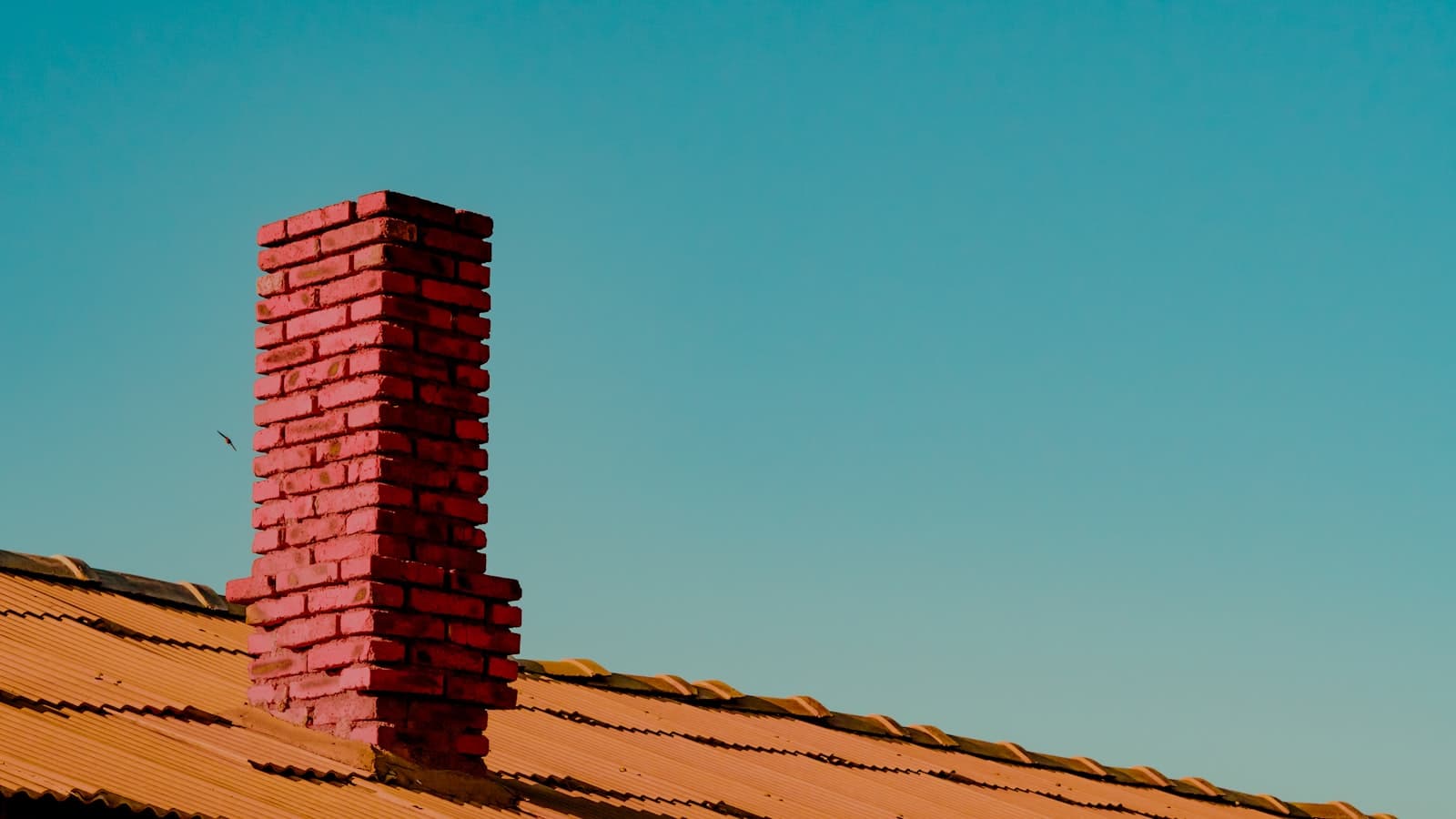
Poinciana's inland position spares it storm surge and the worst coastal winds, but storms that cross the Florida peninsula pass right over this part of the interior, and they arrive still carrying enormous amounts of rain and gust. Wind-driven rain is the specific problem: an ordinary vertical afternoon storm tests your roof, but a tropical system driving rain sideways for hours tests every seam on the chase, every edge of the flashing, and every fastener on the cap. Seams that hold all summer can give up in a single storm.
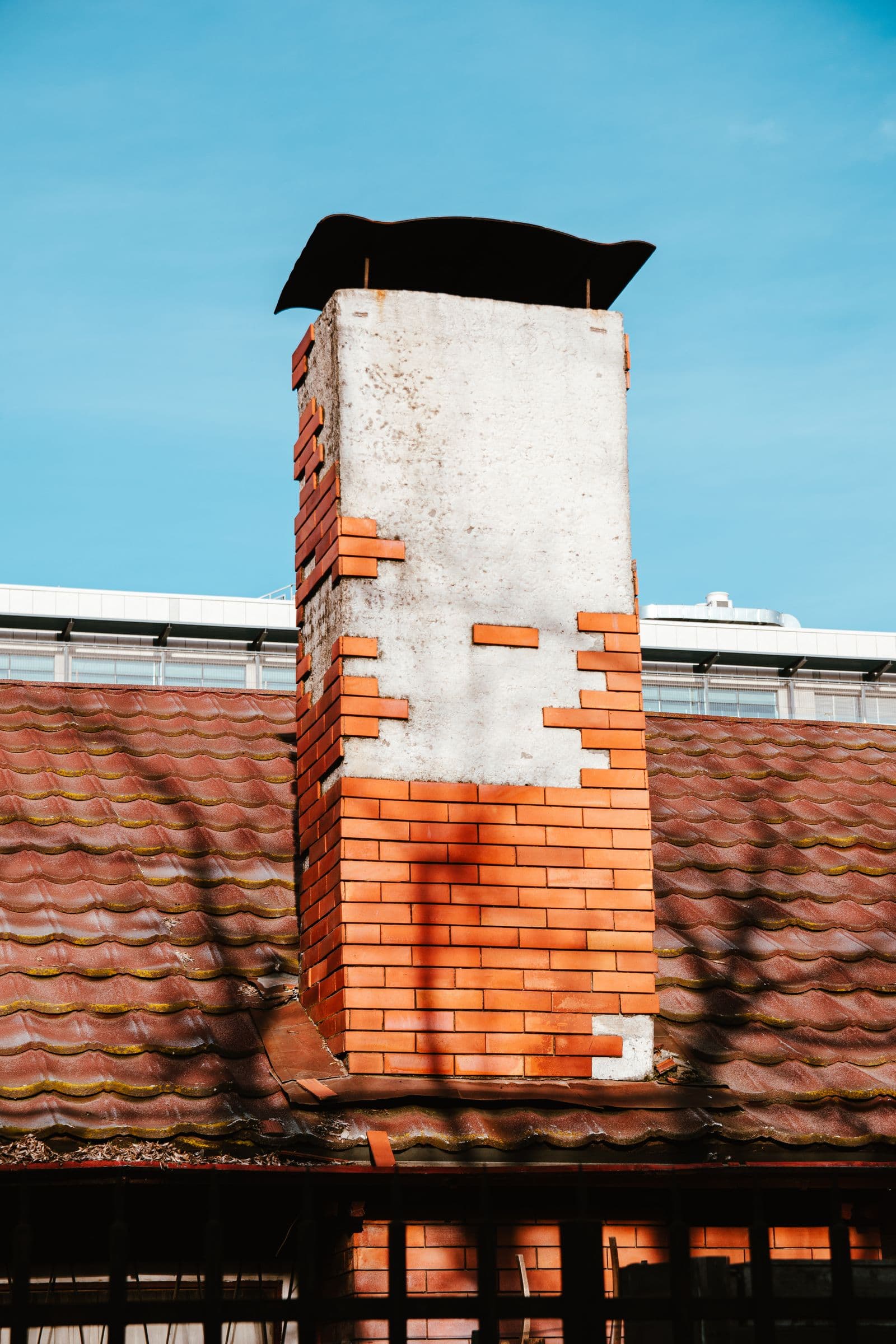
When water does get in, it almost never announces itself at the chimney. It follows framing and drywall and shows up as a stain a few feet from the fireplace, a soft spot in a corner, or peeling paint in a room you rarely use. Effective chimney leak repair starts with finding the true entry point (chase top, cap, a siding seam, or the roofline joint), because caulking the wrong spot doesn't stop water, it just moves it. Tired flashing where the chase meets the roof is one of the most common real answers, especially on boom-era homes now old enough for the original metal and sealant to be past their prime.
The habit worth building: after any named storm passes near Osceola County, give the chimney a two-minute look from the ground. A cap sitting crooked, a cover edge lifted, new rust streaks, anything visibly shifted. Each is cheap to fix promptly and expensive to ignore through the next three months of daily downpours. Storm damage compounds; the first week after is when a repair is smallest.