

Proudly American-Owned

Chimney & Fireplace Company in Pinellas Park, FL

Hire a chimney repair and fireplace company serving Pinellas Park, FL for repair, sweeping, inspection, or installation. Request a free technician estimate visit.

Free Pinellas Park Estimate

10% OFFFirst service

Family-Owned

A family-owned company serving Pinellas Park properties.

Proudly American-Owned

An American-owned chimney and fireplace company.

Free Estimate Visit

A technician can visit the property and provide a free estimate.

Pinellas Park Chimney Repair, Cleaning & Fireplace Service

Pinellas Park sits on the inland spine of Florida’s most densely built-out county: a flat mid-county grid between the bay side and the beach side of the peninsula. No salt spray to blame here; what wears on these chimneys is the Tampa Bay area’s famous lightning-season storms and the slow, patient grind of year-round humidity.

Name the symptom at the Pinellas Park address, then open the matching page: chimney repair in Pinellas Park, chimney sweeping, inspection, leak repair, cap replacement, crown repair, flashing repair, waterproofing, masonry repair, relining, rebuild, hurricane repair, gas fireplace repair, animal removal, or fireplace repair. The technician estimate visit is free.
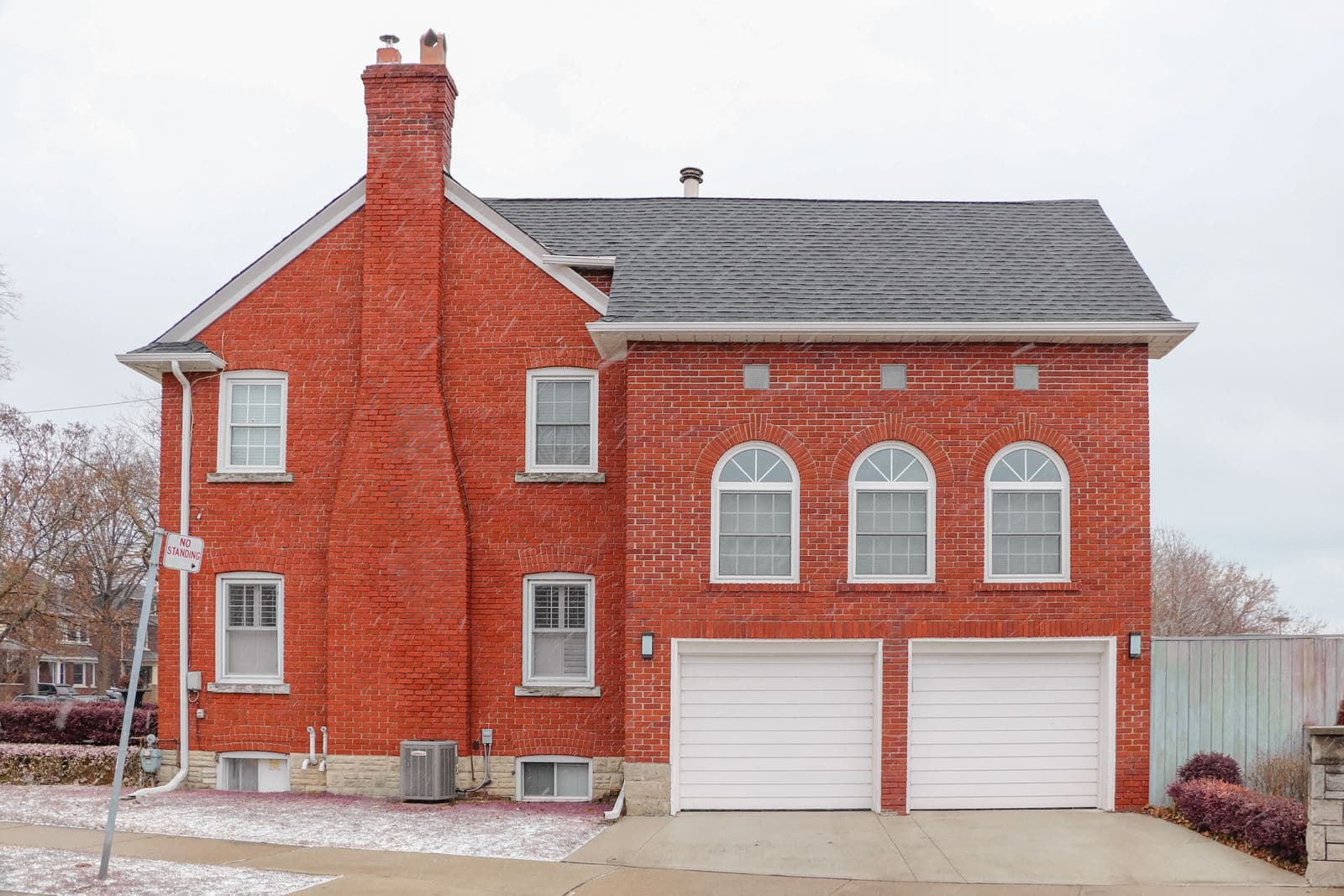
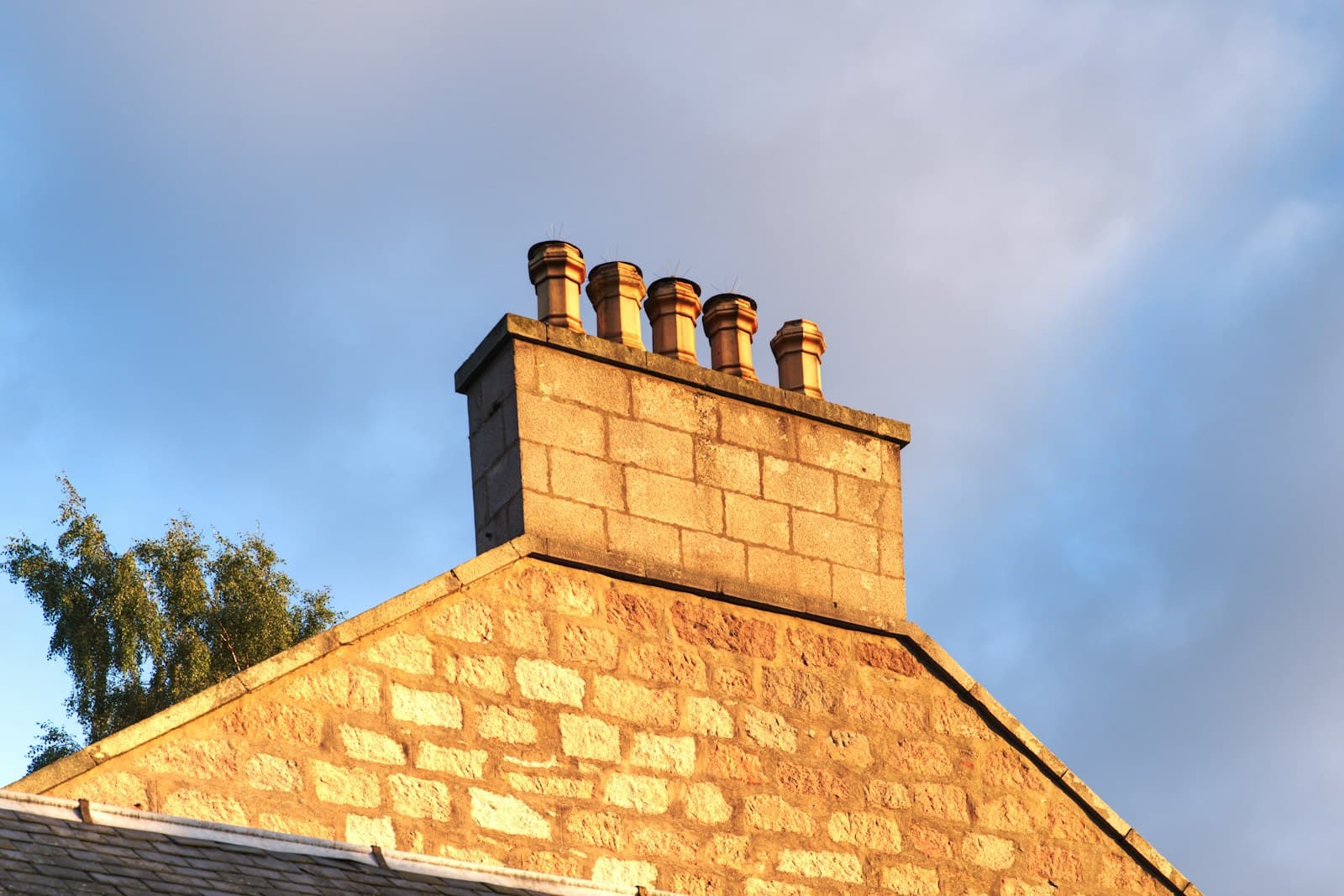
A red brick house with a chimney

What happens next

How chimney and fireplace service works in Pinellas Park

The estimate visit is separate from any paid work, so you can review the estimate before deciding.

  1. Tell us what you are seeing

    Call or send the estimate form with the service or concern you want reviewed. Include your property's ZIP code in Pinellas Park.

  2. Get a free estimate visit

    A technician can visit the property and provide a free estimate for chimney or fireplace service.

  3. Approve the work before it begins

    Paid work requires a deposit. If you cancel after paying the deposit, the company retains it.

Understanding Pinellas Park properties

Chimney weather in the middle of the Pinellas peninsula

The Tampa Bay area sits in the heart of America’s lightning belt, and Pinellas Park gets the full show: from roughly June into September, most afternoons build toward an hour of violent rain, wind, and thunder. Your chimney is the most exposed structure on the house (usually the highest point on a one-story roofline), and it takes those storms head-on, day after day, all season long. Hairline cracks in the crown drink water, tired flashing lets it slip under the roofline, and an uncapped or badly capped flue simply funnels rain straight into the system.

The tell is rarely at the chimney itself. Water that gets in at the crown or flashing travels along framing and shows up as a ceiling stain a few feet away, a musty corner, or paint that bubbles for no obvious reason. Proper chimney leak repair starts with finding the true entry point (crown, flashing, cap, or saturated masonry), because sealing the wrong spot doesn’t stop the water, it just sends it somewhere new.

And when the storms finally quit, the humidity doesn’t. For a chimney fire, suspected carbon monoxide or gas, an unstable chimney, or another immediate danger, leave the area and call 911 or the utility first. A chimney in Pinellas Park is working against the weather twelve months a year, whether or not a fire has burned in it since spring.

Post-war ranch homes, block construction, and what their chimneys need

Pinellas County filled in fast after the war, and Pinellas Park wears that history: much of the city is single-story concrete-block ranch homes from the mid-century decades, on a flat street grid that was largely built out long ago. The masonry chimneys that came with those houses are now carrying fifty, sixty, seventy years of Florida weather, and the common failure points are predictable. Mortar joints erode grain by grain under decades of driving rain, thin original crowns crack, and brick faces start to spall once water finds a way inside the masonry.

None of that is a crisis if it’s caught early. Repointing weathered joints and rebuilding a failed crown are routine chimney masonry work, and a proper crown repair (a real overhang and a real slope, not a skim of patch cement) is the single best defense a mid-century stack can have against the summer pattern. Left alone, the same problems compound until the top courses loosen and the conversation shifts from repair to rebuild.

A cap, cover, or other repair may address the concern when the assessment identifies that component as the source. The recommendation depends on the condition at the property; no outcome is guaranteed before the condition is evaluated.

Hurricane season on flat ground

Pinellas Park’s inland, mid-peninsula position keeps it well back from the open water where the county’s storm-surge worries concentrate, but hurricane season is not just a coastal problem. Tropical systems crossing or brushing the Tampa Bay area drag long rain bands and gusting wind over the whole peninsula, and that combination tests a chimney in ways ordinary afternoon storms never do: wind-driven rain hits mortar joints and siding seams sideways, gusts work at caps and chase covers until something lifts, and flashing that was merely tired in May can fail outright in a single storm.

The city’s flat, low-lying terrain adds its own wrinkle. When a slow storm parks heavy rain over mid-county, the water has nowhere to hurry off to, and a house that’s dealing with water from below is in no shape to also take water from above. Keeping the top of the house sealed is the part of storm readiness you can actually control: a sound crown, secure cap, and healthy flashing before the season beats scrambling after it. Chimney waterproofing with a breathable repellent, done ahead of the June rains, keeps bare masonry from drinking its way through the wet months.

After any system passes close, give the stack a two-minute look from the ground: a cap sitting crooked, metal glinting in the yard, a new stain running down the chase, anything visibly shifted or leaning. Those are call-now items, not next-spring items. For a chimney fire, suspected carbon monoxide or gas, an unstable chimney, or another immediate danger, leave the area and call 911 or the utility first.

The nine-months-idle flue problem

Fireplace season in Pinellas Park is short and sudden. Winters here are mild, and burn nights arrive as a handful of cold snaps: a front rolls down the peninsula, the temperature drops for two or three evenings, and every fireplace in the neighborhood lights at once after months of sitting dark. That long idle stretch is exactly when problems build unseen: humid air condensing on old soot, a damper slowly seizing, and, very commonly here, animals moving in. An unprotected flue is prime real estate for raccoons, squirrels, and nesting birds, and a blocked flue discovered on the first cold night is nobody’s idea of a cozy evening.

A separately scoped chimney inspection may evaluate the flue and relevant components. A technician can visit the property and give a free estimate.

NFPA 211, the fire-safety standard for chimneys and fireplaces, recommends an annual inspection even for lightly used systems, and light use is precisely the Pinellas Park pattern. A flue that burns ten nights a year and sits in thick humidity for the other three hundred and fifty-five isn’t low-risk; it’s just low-visibility.

Straightforward chimney help in Pinellas Park

A technician can visit the property and give a free estimate.

Talk with our team

Need chimney and fireplace service in Pinellas Park?

Tell us what you are seeing and include your property's ZIP code. We will use those details to understand the service request.

Frequently Asked

Pinellas Park Chimney Repair & Fireplace Service Questions

How often does a Pinellas Park chimney really need attention?
NFPA 211 guidance is an inspection every year, with sweeping whenever deposits warrant it, and that applies even to a fireplace that only burns a few cold snaps each winter. In this climate the flue spends most of the year idle in thick humidity, which builds its own problems: odor, corrosion, and animal nesting. The smart timing is fall, before the first front arrives and schedules fill.
My Pinellas Park ranch home is from the mid-century boom. What usually goes wrong with these chimneys?
The predictable trio: eroded mortar joints, a cracked or thin original crown, and a missing or failing cap. Fifty-plus years of afternoon storms wear masonry grain by grain, and water does the rest once it gets inside. Caught early, all three are routine repairs; ignored, they compound toward loose top courses and rebuild territory. A technician can visit the property and give a free estimate.
Why does my Pinellas Park fireplace smell musty in the middle of summer?
Humidity. A closed-up flue holds damp mid-county air against months of old soot and creosote, and the result is that sour campfire-gone-wrong smell that peaks in July. A thorough sweep removes the deposits doing the smelling, and a properly fitted cap plus a working damper cut the moisture feeding it. If the smell comes with scratching sounds, check for animals first.
Pinellas Park isn’t on the water. Does chimney waterproofing still matter here?
Yes, arguably more than people expect. The threat inland isn’t salt; it’s volume: a summer of near-daily downpours plus whatever hurricane season adds, landing on the most exposed masonry on the house. Bare brick absorbs a startling amount of that water. A breathable water repellent applied before the June rains sheds the storms while letting trapped vapor escape, protecting both the masonry and the rooms below it.
What should I check after a hurricane or tropical storm passes the Tampa Bay area?
From the ground, in two minutes: a cap sitting crooked or gone, sheet metal in the yard, new dark staining down the chimney or chase, flashing edges lifted at the roofline, or any visible lean. Wind-driven rain also finds openings vertical storms never test, so a new ceiling stain near the chimney counts too. Anything on that list deserves professional eyes before the next system. For a chimney fire, suspected carbon monoxide or gas, an unstable chimney, or another immediate danger, leave the area and call 911 or the utility first.

Ready to schedule chimney service in Pinellas Park?

Tell us what you are seeing, include your property's ZIP code, and call to request a technician estimate visit.