Proudly American
Chimney Service · Palm Coast, FL

Local Chimney & Fireplace Pros Serving Palm Coast, FL

Chimney sweep, inspection, repair, and rebuild for Palm Coast, FL — Planned coastal city in Flagler County. Same-day service, free estimate, no payment upfront.

Local Chimney & Fireplace Pros Serving Palm Coast, FL
Family-OwnedFree EstimatesUpfront PricingSame-Day

Free Palm Coast Estimate

Takes about 30 seconds.

Your Flagler County chimney & fireplace team in Palm Coast

Palm Coast is a planned coastal city in Flagler County, part of Florida's First Coast. That location is the single biggest factor in how chimneys age here — the local climate drives how quickly masonry, mortar, caps, and liners wear, and it matters more than the chimney itself when scoping any Palm Coast repair, sweep, or rebuild.

Because Palm Coast sits on the coast, salt air is part of every job we scope here: it corrodes ordinary galvanized caps, dampers, and flashing well before their inland lifespan is up, so the hardware a Palm Coast chimney gets has to be rated for marine exposure — not just whatever is cheapest on the shelf. Chimney Repair Service is the chimney company near me that Palm Coast homeowners book for all the right reasons: a vetted local pro who knows the Palm Coast climate, free estimates before any tool comes out, climate-appropriate materials, and a workmanship warranty in writing. The local pro comes to you.

Palm Coast barely existed fifty years ago — today it's one of Florida's fastest-growing cities, with mile after mile of concrete-block homes threaded between saltwater canals and the Atlantic. Salt air is the rent the ocean charges, and your chimney pays it first.

A young city with a very specific chimney profile

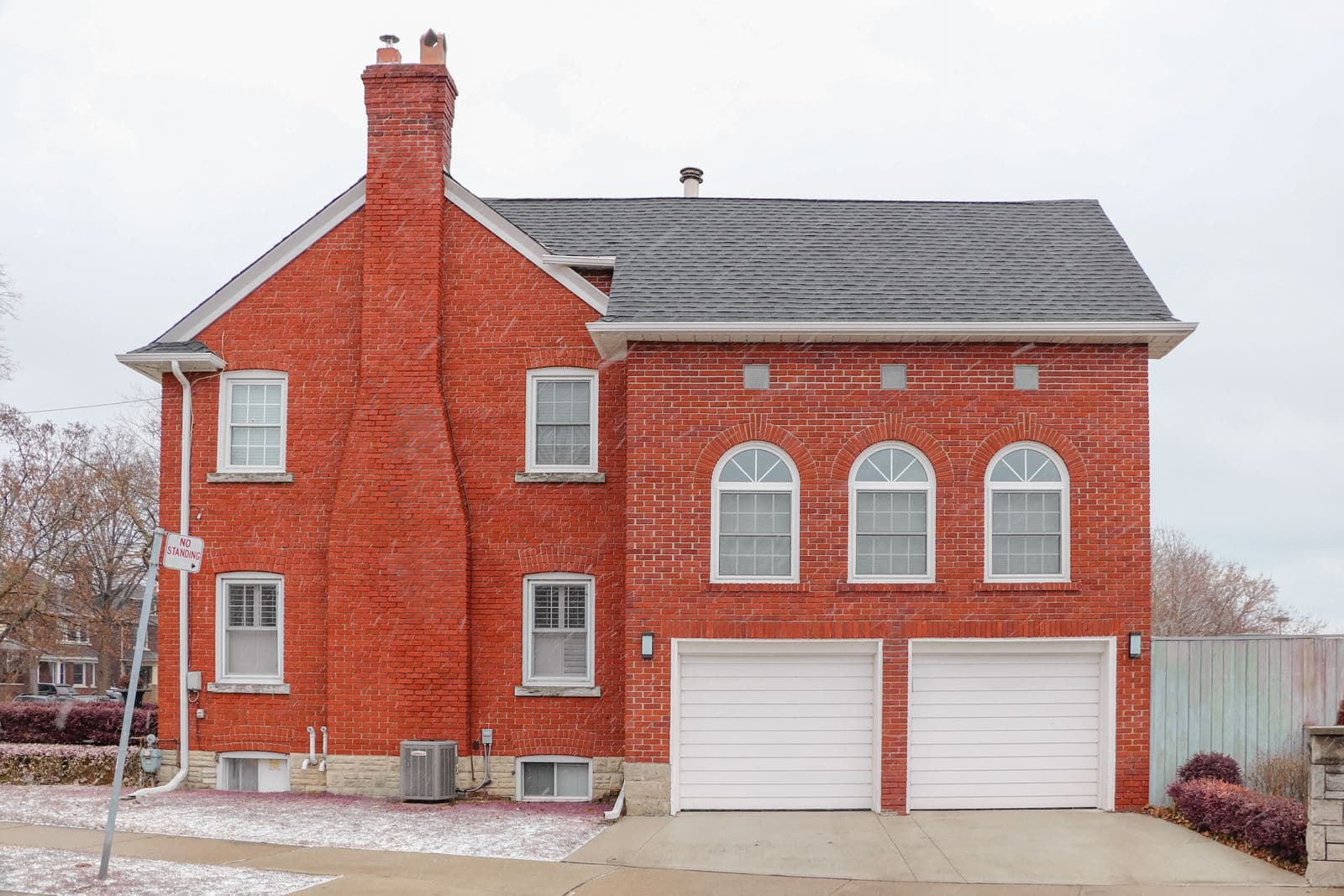
Palm Coast was master-planned from scratch starting in the early 1970s and didn't incorporate as a city until 1999, which makes its housing stock unusually consistent: overwhelmingly concrete-block and stucco, built from the 1980s onward, laid out across planned sections and along the famous saltwater canals. You won't find many century-old brick stacks here. What you will find, in home after home, is a factory-built fireplace housed in a wood-framed chase clad in stucco or siding, topped with a sheet-metal chase cover and a cap.

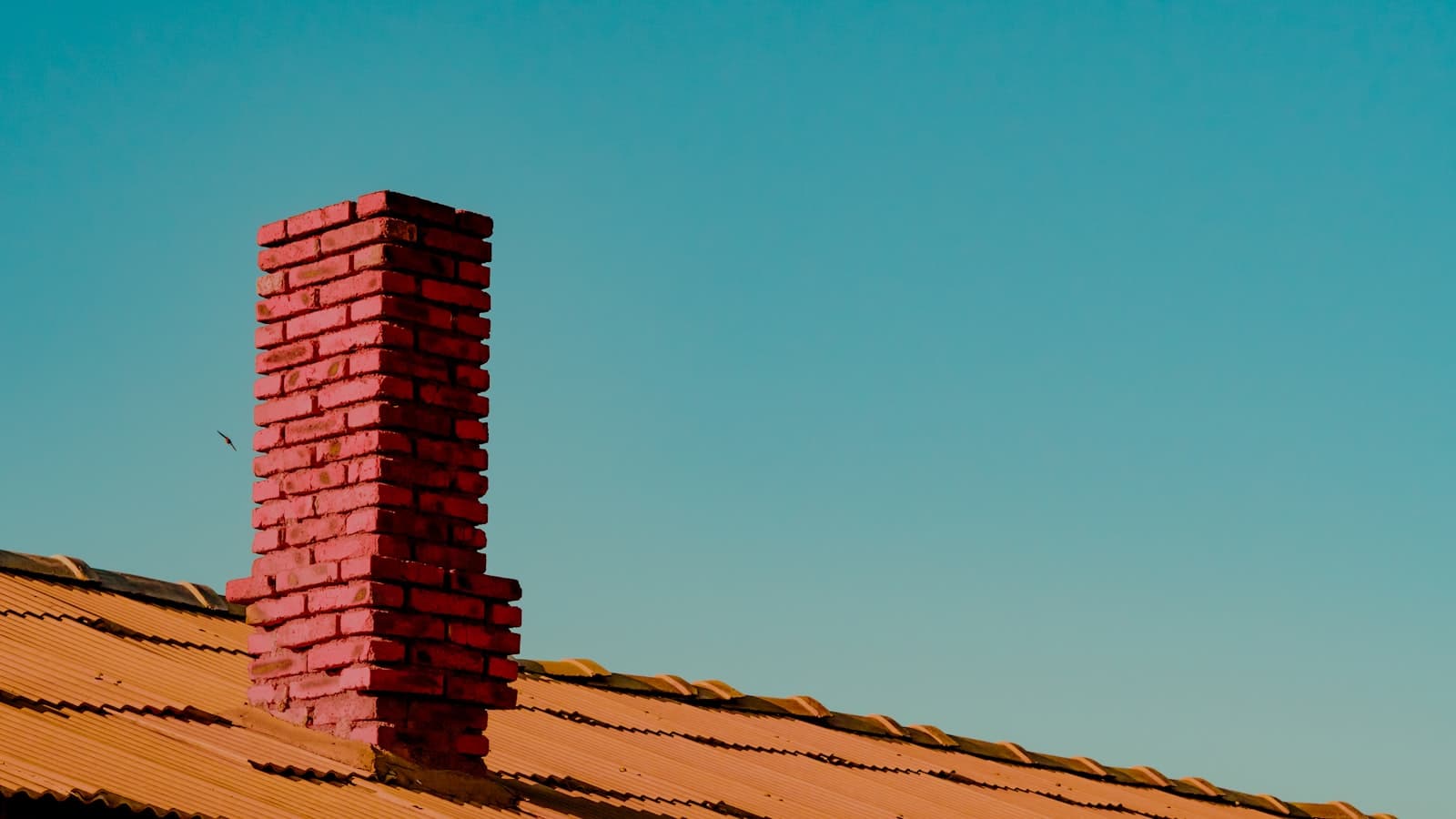
That construction style is efficient and it works — until the metal at the top gives out. The chase cover is the flat pan that keeps rain out of the framed chase, and it was often installed in builder-grade galvanized steel. Near the Atlantic, galvanized steel loses that fight early. Rust pinholes open, seams split at the corners, and water starts running down inside the chase where nobody can see it, soaking framing and drywall long before a stain ever appears.

The good news: a modern chimney profile means most Palm Coast problems have clean, definitive fixes. A corroded cover gets replaced with a properly pitched stainless one, a missing cap gets fitted, aging flue components get addressed — no archaeology required. It starts with someone actually looking at the top of the chase, which almost never happens until something leaks.

What salt air does to a chimney

Between the ocean, the Intracoastal, and the saltwater canal network winding through so many neighborhoods, a large share of Palm Coast homes live inside the salt-air zone — and salt is patient. It corrodes chase covers, rusts out caps and spark screens, seizes damper hardware, and eats fasteners. Homes out in the Hammock under the live oaks, along the canals, and anywhere near A1A take the heaviest dose, but onshore wind carries salt well inland of the beach.

The classic Palm Coast tell is rust streaking: orange-brown stains bleeding down the stucco or siding of the chimney chase from the metal above. That's not cosmetic — it's the chase cover or cap announcing that it is slowly dissolving. Caught early, it's a straightforward swap to stainless steel, which shrugs off salt air for decades. Caught late, it's rotted framing, soaked insulation, and a repair bill with a comma in it.

Material choice is everything on this coast. Stainless caps and covers cost more than galvanized up front and are worth every dollar within sight of salt water. A well-fitted stainless chimney cap also keeps out the other coastal nuisances — wind-driven rain, nesting birds, and the raccoons that treat an open flue as a private stairwell.

How far inland does the salt reach? There's no hard line. The heaviest corrosion shows up within sight of the ocean, the Intracoastal, and the canals, but onshore wind carries fine salt aerosol across the whole city on breezy days, and tropical systems fling it further still. The practical rule for Palm Coast: assume your chimney metal lives a shorter life than the same part would inland, check it more often, and buy stainless when it's time to replace — the upgrade pays for itself in years of quiet service.

Hurricane season and sideways rain

From June through November, Palm Coast watches the tropics like everyone on Florida's Atlantic coast — and even storms that stay offshore push days of wind-driven rain onto Flagler County. Outside hurricane season, nor'easter-style onshore blows pull the same trick in fall and winter. Rain that falls sideways finds openings vertical rain never touches: chase-cover seams, hairline gaps where stucco meets flashing, the joint where the chase shoulders into the roof.

That's why coastal leak-chasing is its own discipline. Water entering at the chase top can travel along framing and surface as a ceiling stain rooms away, and homeowners understandably blame the roof first. Proper chimney leak repair means testing the actual pathways — cover, cap, flashing, cladding — before anything gets sealed, so the fix lands on the entry point instead of the exit wound.

After any named storm brushes the coast, it's worth having the chimney and chase looked over even if nothing visibly moved. Covers lift at one corner, caps loosen, sealant joints tear — and each of those invites the next rain in. Sealing vulnerable joints and treating exposed surfaces is cheap protection; chimney waterproofing before the season peaks beats drywall repair after it.

What makes chase leaks expensive is everything they touch on the way down. Inside a framed chase, water follows the path of least resistance across lumber, fasteners, and insulation, and by the time a stain reaches a ceiling, the wood above it has often been wet for months. Wood-framed construction in a humid climate does not forgive standing moisture. The economics are lopsided: the metal and sealant work that prevents the leak costs a fraction of the carpentry that follows one. Catching it at the cover, cap, or flashing stage keeps the whole cascade theoretical.

A few burn nights, a long idle season

Palm Coast winters run cooler than Central Florida's — this is Northeast Florida, and a proper cold snap arrives most years — but realistically, most fireplaces here burn a handful of nights per winter. The other eleven months, the flue sits idle in serious humidity. Moist salt air condenses inside, mixes with old soot into that unmistakable musty odor, corrodes prefab flue components from the inside, and offers wildlife a sheltered spot nobody is watching.

Light use is exactly why inspections matter, not a reason to skip them. NFPA 211 recommends a yearly inspection regardless of how often you burn, because most of what goes wrong with a coastal chimney — corrosion, water entry, animal nesting — happens while it's doing nothing at all. A fall chimney inspection means that on the three cold nights you actually want a fire, you can light one without wondering.

And when you do burn, burn ready: a chimney sweep clears deposits and confirms the damper and flue are clean and free. For prefab units especially, the check matters — factory-built systems have specific clearances and components that age, and a cracked or corroded part is a replace-it item, not a patch-it item.

Honest help from a family-owned Florida company

We're family-owned and Florida through and through, and the vetted local pros we send to Flagler County know coastal construction — chases, covers, prefab systems, salt-air metal — because that's what Palm Coast is built of. You get a free written estimate, upfront pricing before any work starts, and a workmanship warranty in writing, with the term spelled out on your estimate.

If you've noticed rust streaks on the chase, a musty fireplace smell, or a fresh stain after the last storm, the search for chimney repair in Palm Coast ends with a simple visit: we look, we explain, you decide. Same-day scheduling is often available, a real person answers the phone, and for active emergencies the line runs 24/7.

The Palm Coast rhythm worth adopting: a fall inspection and sweep before the burn nights, a look at the chase top every couple of years or after any big blow, and stainless upgrades as the original metal ages out. Start with the free written estimate — you'll know exactly where your chimney stands, in writing, before spending a dollar. It's a modest routine, and on this coast it's the difference between owning a chimney and being surprised by one.

Frequently Asked

Chimney service in Palm Coast — homeowner questions.

There are rust streaks running down my chimney chase. Is that serious?
Treat it as an early warning worth acting on. Those streaks almost always come from a corroding chase cover or cap, and once rust opens a pinhole, rain runs down inside the framed chase where you can't see it. Caught early it's a clean swap to a stainless cover; ignored, it becomes rotted framing and interior repairs.
Do factory-built (prefab) fireplaces need sweeping like masonry ones?
Yes. Prefab flues collect creosote and debris just like masonry flues, and NFPA 211's annual-inspection guidance applies to both. Prefab systems also have components — liners, caps, chase covers — that corrode faster in Palm Coast's salt air, so the yearly look-over matters more here, not less.
What kind of chimney cap holds up near the ocean?
Stainless steel, full stop. Builder-grade galvanized caps and covers corrode quickly anywhere near the Atlantic, the Intracoastal, or the saltwater canals. Stainless costs more up front and then simply lasts; copper also performs beautifully if you like the look. Options and details are at /chimney-cap-installation.
A storm just came through. Should the chimney be checked even if nothing looks wrong?
It's smart. Wind lifts chase covers at a corner, loosens caps, and tears sealant joints — small openings you can't spot from the ground that let every following rain in. A quick post-storm check costs little compared to the water damage a missed gap causes. For active storm damage, the 24/7 line is there.
Why does my fireplace smell musty every summer?
Humid coastal air condenses in the idle flue and mixes with old soot and creosote — that's the smell. A sweep removes the material causing the odor, a good cap keeps rain from feeding it, and a top-sealing damper cuts the humid airflow. It's one of the most common Palm Coast fireplace complaints, and one of the most fixable.

Ready to schedule chimney service in Palm Coast?

A real person answers, free estimate before any work, same-day scheduling across Palm Coast.