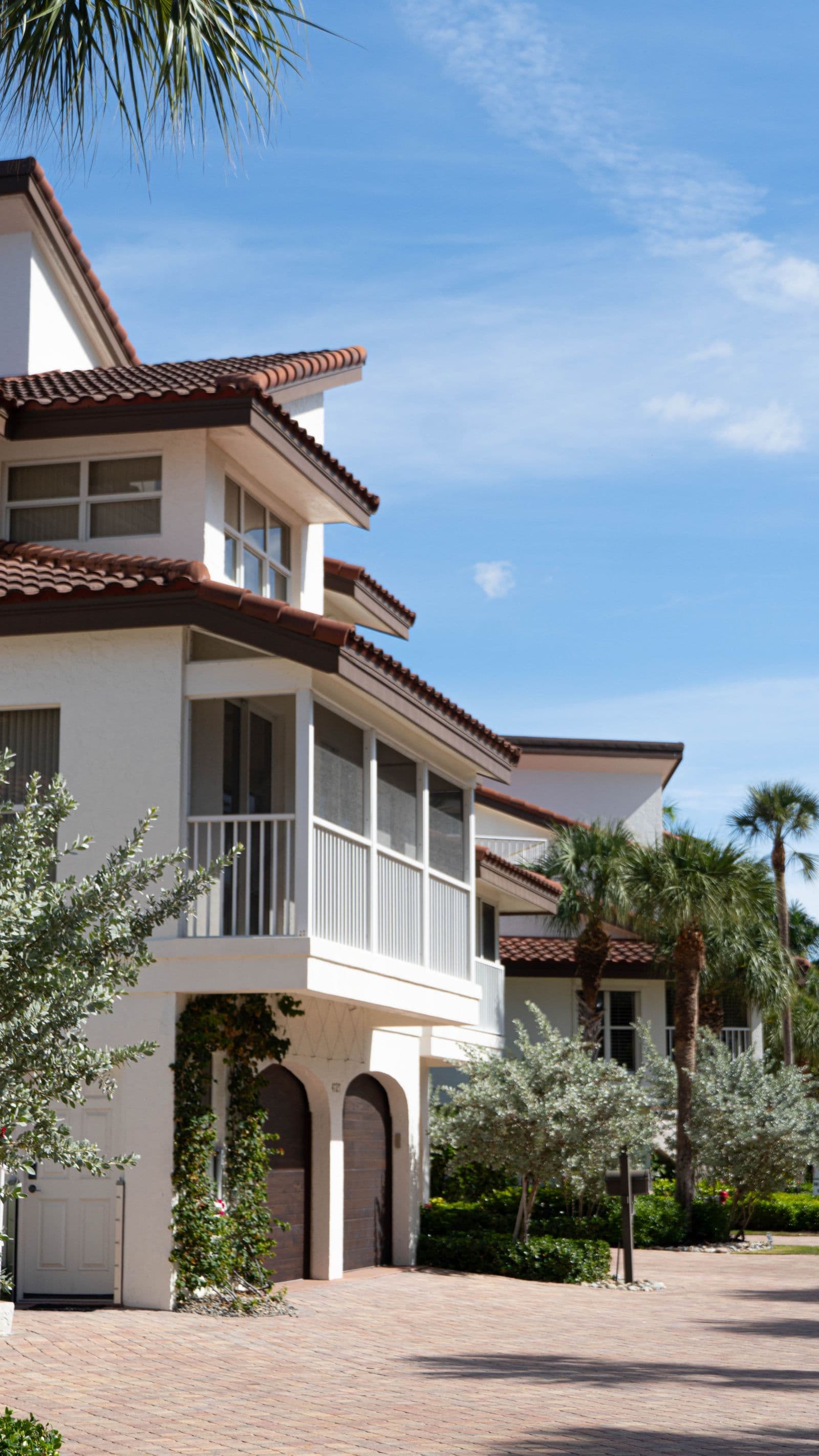
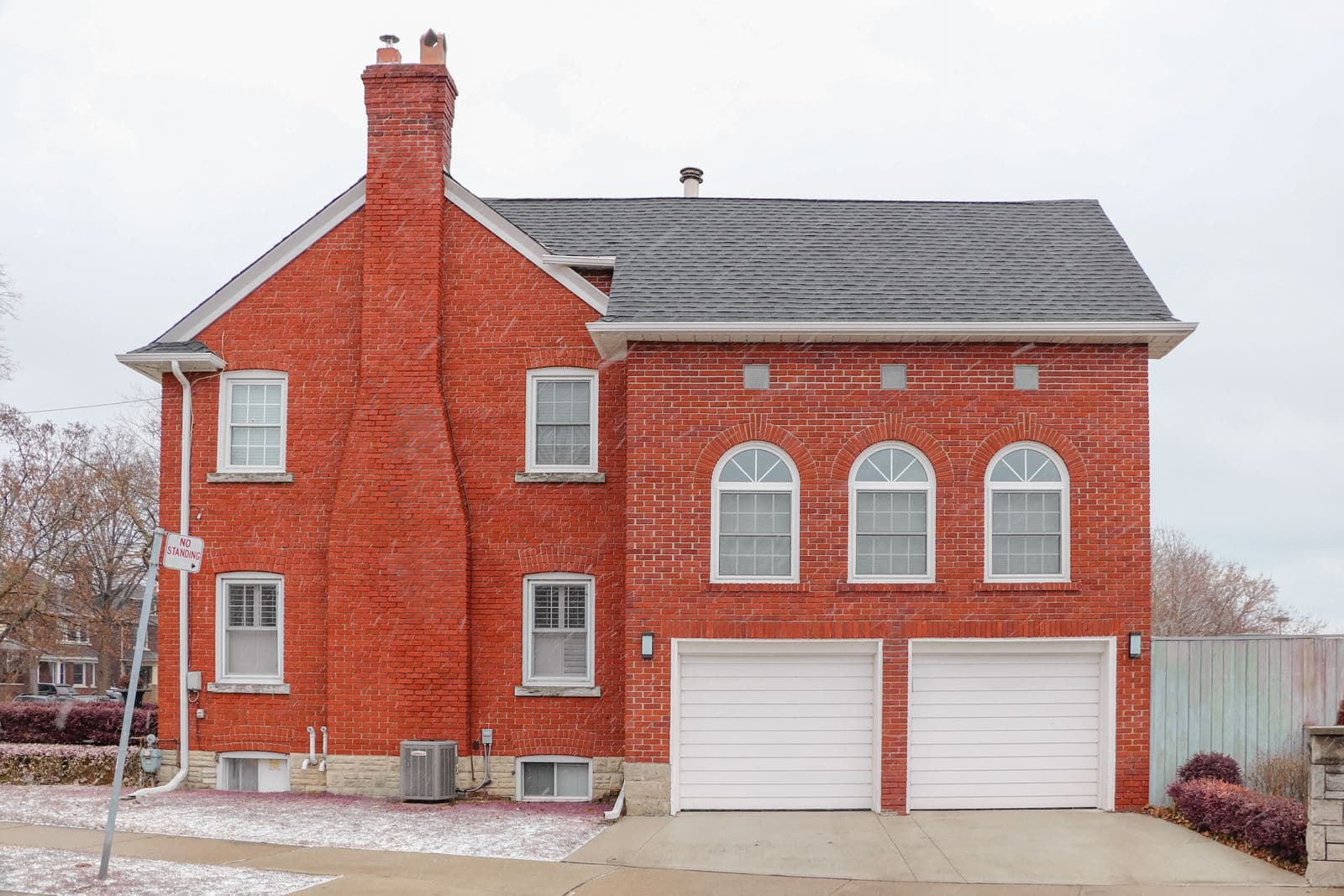
Much of Palm Bay was laid out street by street decades ago as one of Florida’s great pre-planned grids, and the houses have been filling in ever since, steadily through the later twentieth century, and still briskly today on the city’s growing southwest side. The practical result is a city of concrete-block, stucco-finished single-family homes spanning every construction era since the plats were drawn, with the oldest blocks generally sitting toward the northeast, near US 1 and the Indian River Lagoon, and the newest subdivisions pushing inland.
That mix matters because most Palm Bay fireplaces are not masonry at all. The typical setup is a factory-built firebox venting through a metal flue inside a framed, sided chase. It reads as a chimney from the street, but it lives and dies by its sheet metal. The chase cover on top rusts through long before anything else fails, the cap corrodes or goes missing, and rain finds the seams. A sound, correctly pitched chase cover and a properly fitted chimney cap may address common cap- and cover-related water-entry paths when those components are the source: small parts, outsized consequences.
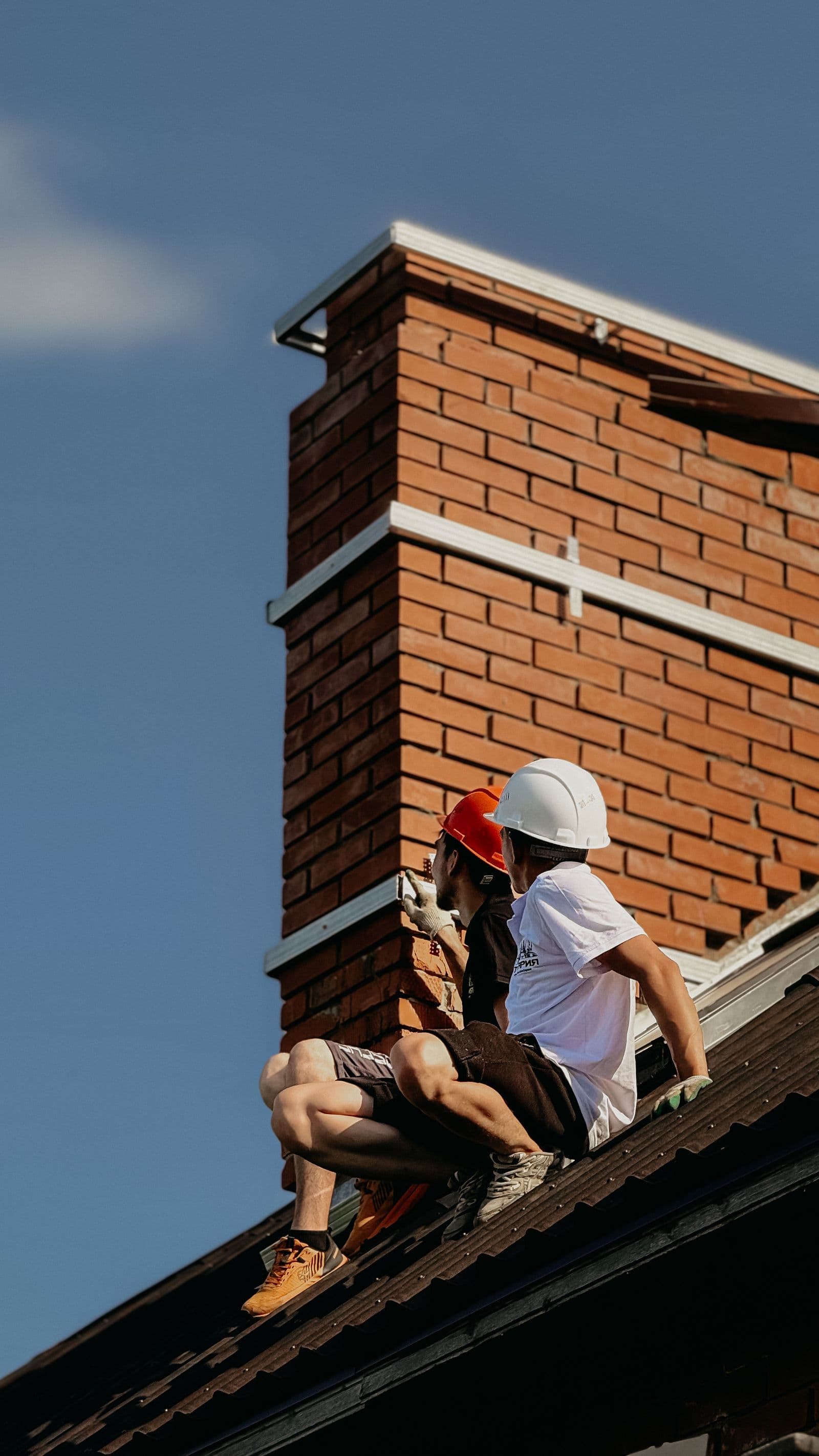
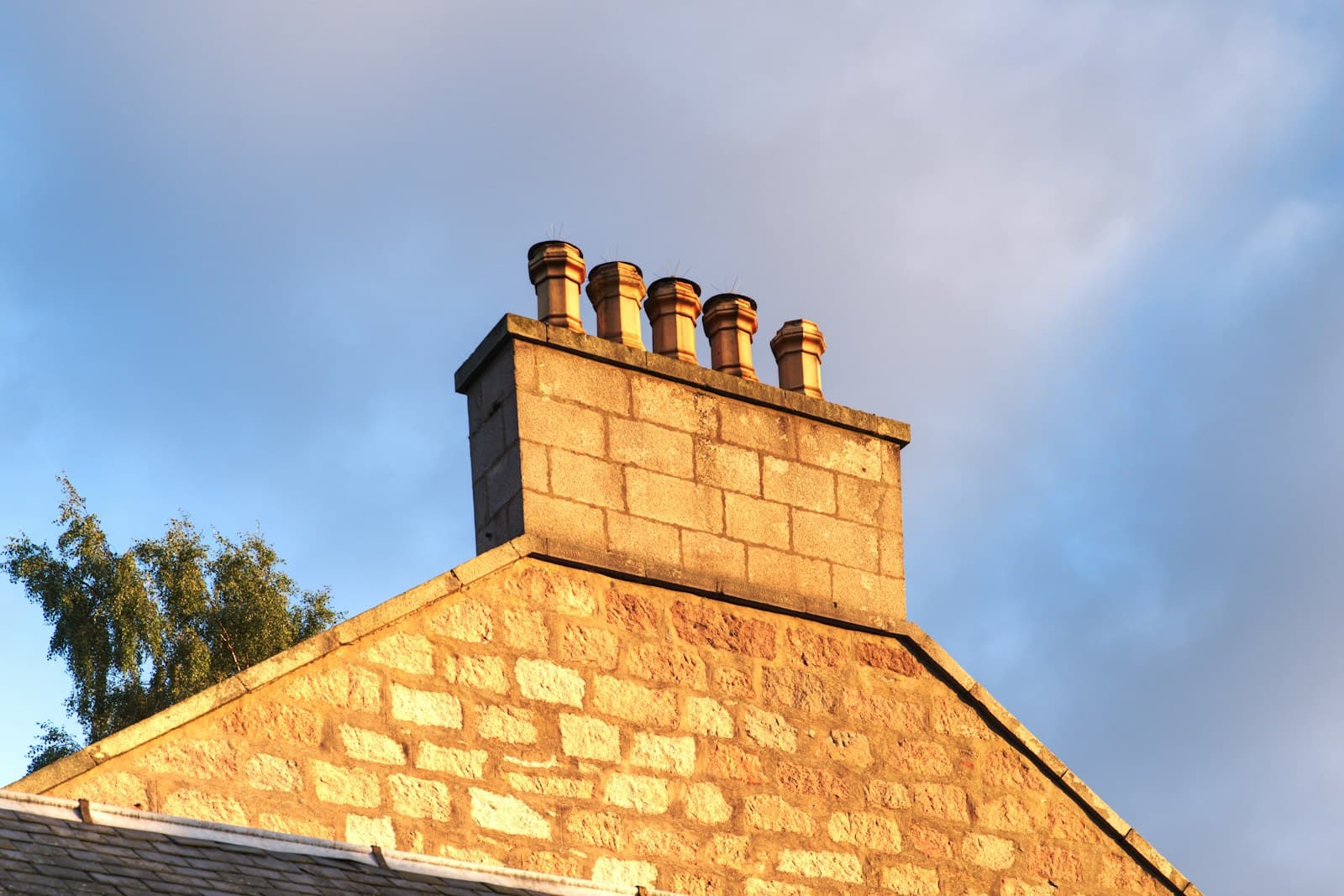
A smaller share of homes, mostly in the older sections, carry genuine masonry chimneys, and those bring masonry problems: crowns that crack hairline-fine and drink storm water, mortar joints softened by decades of humidity, brick that needs real repointing rather than a smear of caulk. The chimney type and observed condition should be evaluated before any repair scope or materials are proposed.