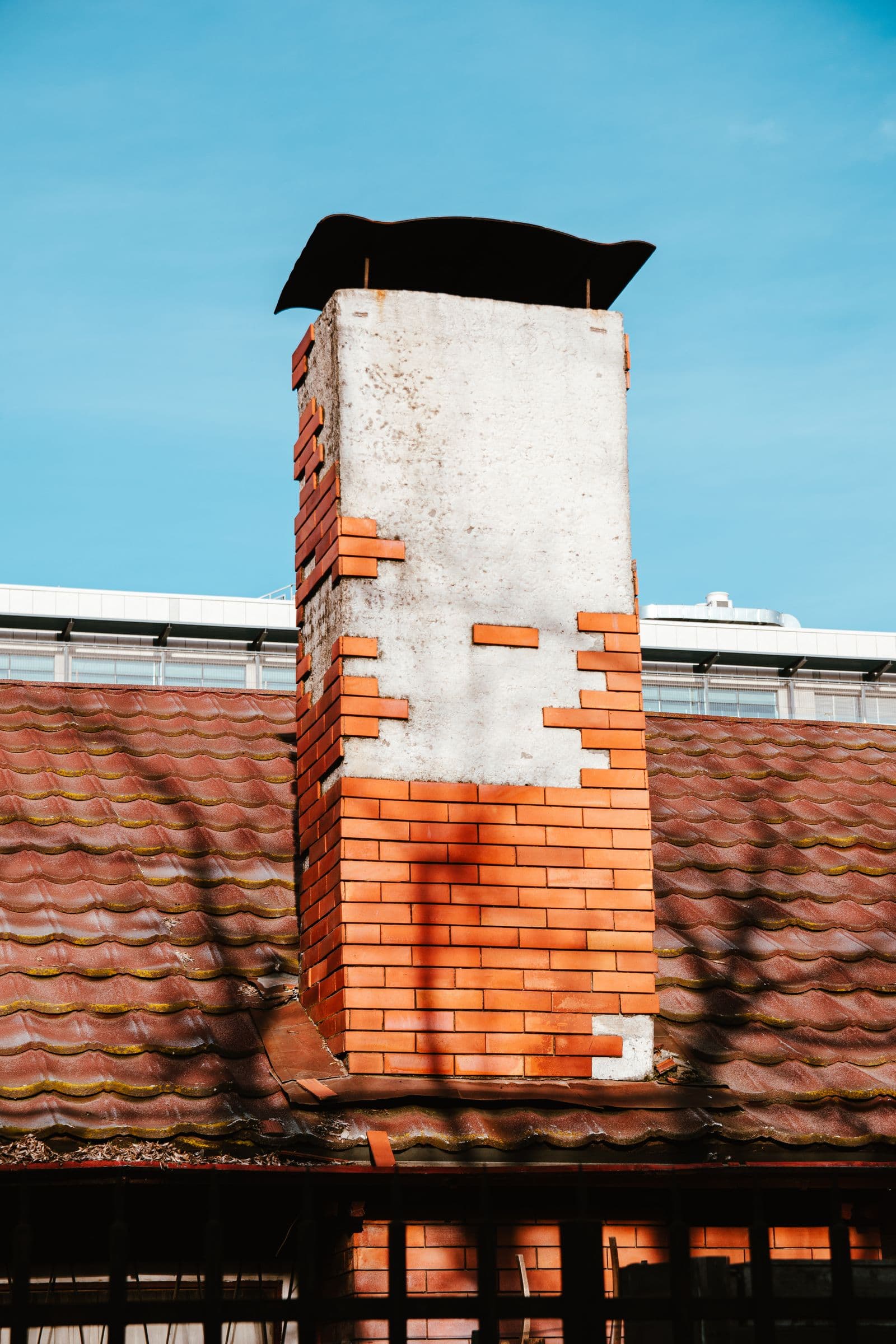
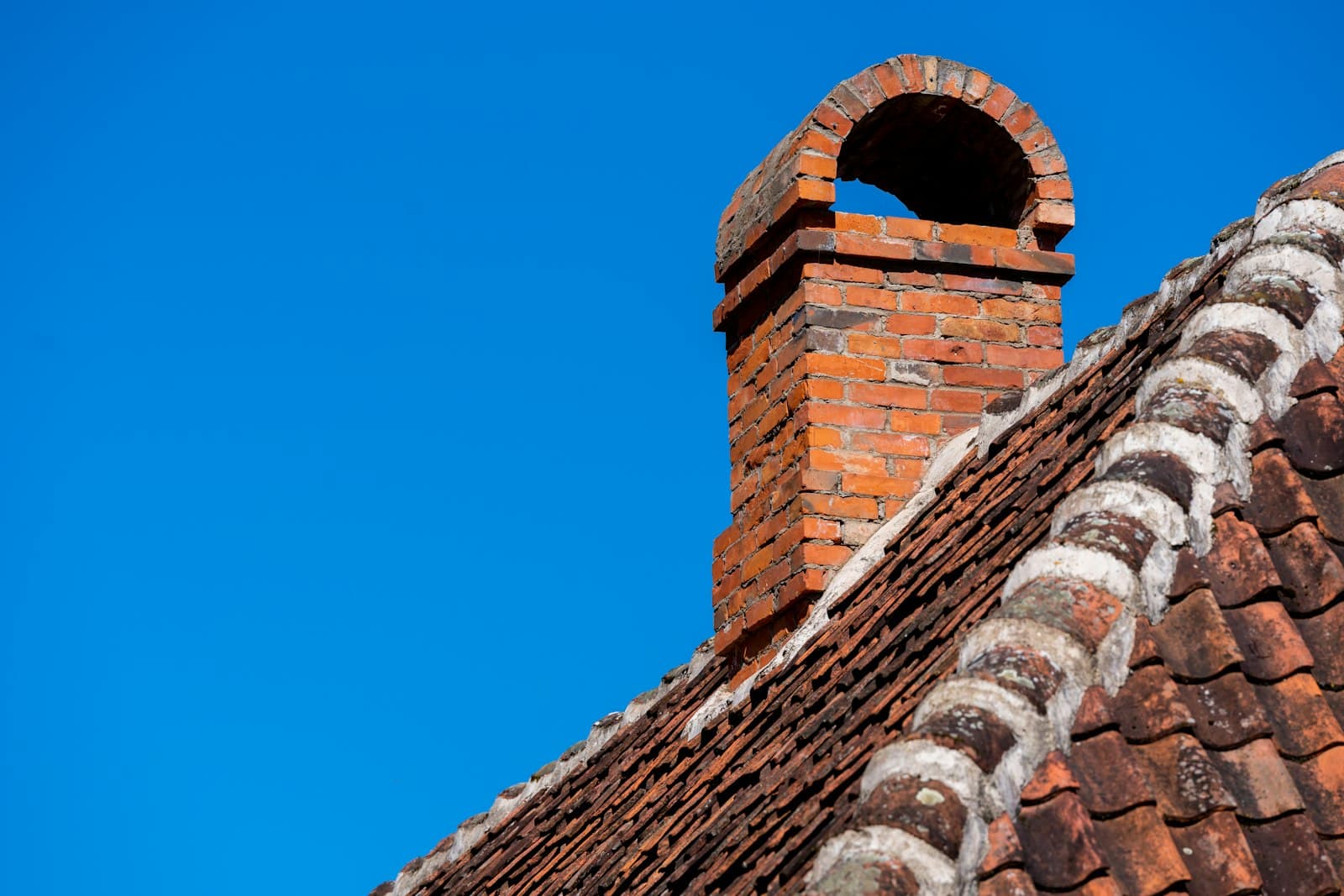
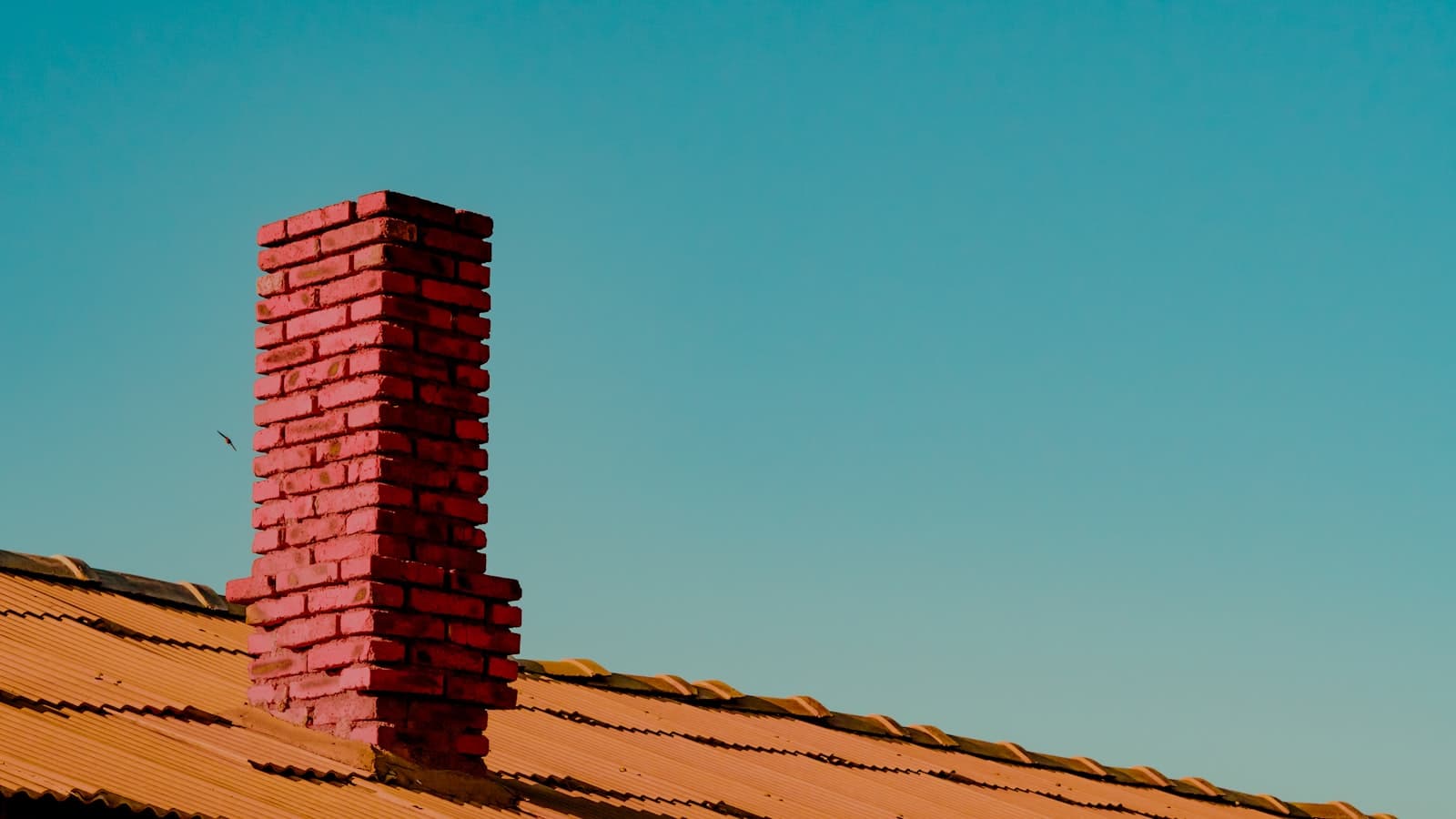
From June into September, Ocala gets its rain the Florida way: a violent hour most afternoons. Your chimney is the most exposed thing on the house, and it takes those storms head-on. Hairline cracks in the crown let water into the structure, tired flashing lets it into the ceiling, and bare brick simply drinks: masonry can absorb a startling amount of water over a single storm season.
The frustrating part is that chimney leaks rarely announce themselves at the chimney. They show up as a ceiling stain a few feet away, peeling paint in a corner, or a damp smell in a room you rarely use. Chimney leak repair starts with finding the actual entry point (crown, flashing, cap, or saturated masonry), because sealing the wrong spot doesn't stop the water, it just reroutes it.
Prevention beats patching, and in Ocala it matters twice. A breathable water repellent, the kind that sheds rain but lets trapped vapor escape, protects brick through the wet season, and it also protects it from winter: masonry that goes into a January freeze saturated is masonry that can spall when the water inside it turns to ice. Chimney waterproofing ahead of the summer rains closes that loop for both seasons at once.
Hurricane season adds its own chapter from June through November. Ocala's inland position spares it the coast's storm surge, but crossing systems still drag tropical rain bands and gusty wind across Marion County, enough to strip a loose cap, lift flashing that was already tired, and drive rain sideways into mortar joints that vertical storms never test. After any system passes close, a two-minute ground-level look at the stack (anything visibly shifted, missing, or newly stained) is worth the habit, and anything that looks wrong deserves professional eyes before the next front arrives.