Proudly American
Chimney Service · New Smyrna Beach, FL

Local Chimney & Fireplace Pros Serving New Smyrna Beach, FL

Chimney sweep, inspection, repair, and rebuild for New Smyrna Beach, FL — Coastal Volusia County community on the Space Coast. Same-day service, free estimate, no payment upfront.

Local Chimney & Fireplace Pros Serving New Smyrna Beach, FL
Family-OwnedFree EstimatesUpfront PricingSame-Day

Free New Smyrna Beach Estimate

Takes about 30 seconds.

Your Volusia County chimney & fireplace team in New Smyrna Beach

New Smyrna Beach is a coastal Volusia County community on the Space Coast, part of Florida's Space & Treasure Coast. That location is the single biggest factor in how chimneys age here — the local climate drives how quickly masonry, mortar, caps, and liners wear, and it matters more than the chimney itself when scoping any New Smyrna Beach repair, sweep, or rebuild.

Because New Smyrna Beach sits on the coast, salt air is part of every job we scope here: it corrodes ordinary galvanized caps, dampers, and flashing well before their inland lifespan is up, so the hardware a New Smyrna Beach chimney gets has to be rated for marine exposure — not just whatever is cheapest on the shelf. Chimney Repair Service is the chimney company near me that New Smyrna Beach homeowners book for all the right reasons: a vetted local pro who knows the New Smyrna Beach climate, free estimates before any tool comes out, climate-appropriate materials, and a workmanship warranty in writing. The local pro comes to you.

Few Florida towns carry as much history as New Smyrna Beach — the 1768 Turnbull settlement, the sugar mill ruins, brick-fronted Canal Street — and few put chimneys through more, with Atlantic salt on one side of the Intracoastal and river damp on the other.

Two waterfronts, double the exposure

New Smyrna Beach is really two towns stitched together by bridges: the beachside around Flagler Avenue, where the Atlantic delivers salt spray directly, and the mainland along the Indian River and Canal Street, where the salt arrives on the breeze across the lagoon. Neither side escapes it. Chimney caps, chase covers, and flashing corrode early on both shores, and the beachside adds wind-blown sand to the abrasion.

This coast also gets weather the Gulf side doesn't: fall nor'easters that push wind-driven rain — sometimes for days at a stretch — long after hurricane season's headline storms have passed. A chimney that sheds an ordinary afternoon shower can still lose the argument with three days of sideways Atlantic rain. Flashing and crown seams that pass a summer-shower test routinely fail a nor'easter one — it's the duration, not just the volume, that finds the gaps.

Surfers on Flagler Avenue read the wind before they read anything else, and homeowners here could borrow the habit. When the east wind blows hard for a week, every rooftop in town gets a heavier salt load than usual — and the caps, screens, and covers that were already marginal move measurably closer to replacement. Salt exposure isn't constant on this coast; it comes in pulses, and the pulses do the damage.

The defense is the same on either side of the bridge: stainless or copper for anything metal up top, sound flashing, and an honest yearly look. A corrosion-resistant cap is the single most cost-effective upgrade an oceanside chimney can get.

A settlement older than the country

The Turnbull colony of 1768 was one of the largest single settlement attempts in colonial North America, and its traces are still part of daily life here — the sugar mill ruins, the old stone foundation at Old Fort Park, the coquina heritage that shows up in walls and landmarks around town. New Smyrna Beach has been building, weathering, and rebuilding on this coast for more than 250 years.

That long history shows in the housing. The blocks around Canal Street and the older mainland neighborhoods hold homes with true masonry chimneys, some generations old, built with the softer mortars of their eras. Atlantic humidity erodes those joints steadily, and spalling — brick faces flaking off from trapped moisture — is common on older stacks. The right fix is repointing with a compatible mortar, never a hard modern mix that fights the original brick.

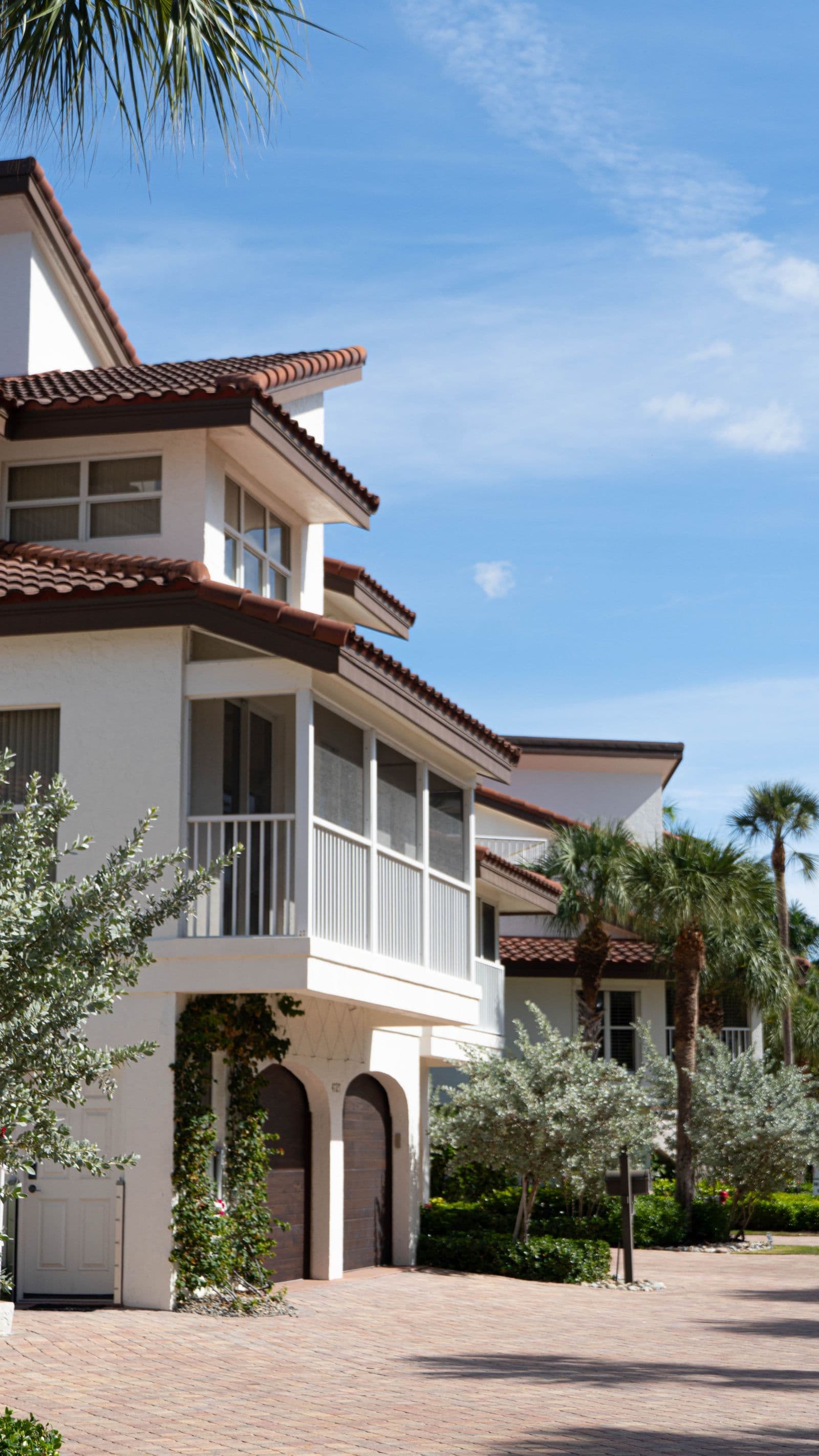
Beachside, the stock runs younger: cottages, mid-century block, and newer concrete-block homes where the fireplace is usually a factory-built unit in a framed chase. Different anatomy, same enemies — salt, wind, and water — just aimed at chase covers and storm collars instead of brick and mortar.

There's a lesson in the town's oldest construction, too. The early builders here worked in coquina and heavy masonry because they'd learned what this coast does to anything less. The modern translation is simple: on a New Smyrna chimney, material choice isn't a place to economize. The parts that cost a little more up front are the ones still doing their job when the cheap version is a rust stain.

Hurricane season on an exposed coast

This stretch of the Atlantic coast has taken real hits in recent memory, and locals don't need convincing that June through November deserves preparation. Chimneys earn their place on the pre-season list: a loose cap becomes debris in hurricane wind, and a compromised crown or flashing line becomes a water intake precisely when the rain is heaviest and help is busiest.

Recent seasons have driven the point home, with back-to-back storms working over the Volusia coast and reshaping parts of the beach itself. Homes that came through with dry ceilings mostly had one thing in common: nothing on the roof was already loose, cracked, or quietly leaking before the wind arrived. That's not luck — it's the boring, unglamorous payoff of maintenance done in the calm months, and it's available to any homeowner who books a spring visit.

A pre-season check covers the cap, crown, flashing, and the condition of masonry or chase siding, with breathable waterproofing for brick that's begun absorbing rain. It's a short visit in May that prevents the miserable version of the same conversation in September.

After a storm, the tell-tale signs are worth a walk-through: fresh stains on ceilings near the chimney, a damp smell from the firebox, water lines inside the fireplace. For active leaks, the 24/7 line is answered around the clock by a real person.

A short burn season with year-round upkeep

Fireplaces in New Smyrna Beach work a short season — a stretch of cool nights in December and January, a cold snap or two, and done. The other ten months, the flue sits idle in salt-humid air, which is when most of the real deterioration happens: condensation acidifying old soot, dampers rusting, wildlife moving into a quiet flue with an ocean view.

That's the case for a yearly chimney inspection in New Smyrna Beach even if you barely burn: NFPA 211 recommends annual inspection regardless of use, and on this coast the standard exists for exactly the conditions outside your window. If last season saw any fires at all, a sweep beforehand clears the residue that humid air keeps turning corrosive.

The damper tells the story of an idle coastal flue better than any other part. It sits lowest, collects the condensation, and rusts first — a damper that grinds, sticks half-open, or won't seal is usually the earliest sign the flue has been damp for a while. And a damper that won't close is also an open channel dumping air-conditioned air skyward through every month of the long New Smyrna summer.

Book ahead of the first cold front if you can — the whole coast calls at once when the temperature finally drops, and an early-fall visit means the first fire of the season is waiting on the weather, not the calendar. October on this coast is still warm enough that nobody's thinking about fires — which is exactly why it's the easiest month to get the appointment you actually want.

How we work on this coast

We're a family-owned Florida company, and the vetted local pros we send to New Smyrna Beach know the difference between a 1920s mainland chimney and a beachside chase — and treat each accordingly. Every visit starts with a free written estimate and upfront pricing, so the scope and the number are on paper before any work begins.

The workmanship warranty comes in writing, with its term stated on your estimate. Same-day scheduling is often available, on-time arrival is the norm, and whether you're calling from Flagler Avenue or a Canal Street bungalow, a real person answers the phone.

New Smyrna also has a sizable share of second homes and rentals, and those chimneys have a way of going unexamined between owners' visits. If the fireplace belongs to a house you're not in every week, an annual inspection is the difference between finding a problem on your schedule and finding it on the weather's — and a written estimate with the full scope and pricing travels by email just fine.

Frequently Asked

Chimney service in New Smyrna Beach — homeowner questions.

Is beachside New Smyrna harder on a chimney than the mainland side?
Beachside gets direct salt spray and wind-blown sand, so metal parts corrode fastest there — but the mainland along the Indian River still catches salt on the breeze across the lagoon, so no address in town is truly exempt. Stainless caps and covers are worth it on either side of the bridges: /chimney-cap-installation.
My older mainland home has a brick chimney with flaking faces. What is that?
That's spalling — moisture absorbed by the brick breaking the faces off as it works within the clay. On older New Smyrna chimneys it pairs with eroded lime-mortar joints. Handled early, it's repointing with a compatible mortar plus breathable waterproofing; left alone, it heads toward rebuild. An inspection will tell you where yours stands: /chimney-inspection.
What should I check on my chimney before hurricane season?
Cap security, crown condition, flashing, and — on framed chases — the chase cover and siding. Loose hardware becomes wind debris and small gaps become water intakes during sideways rain. A pre-season visit in spring covers all of it; if a storm has already put water inside, call the 24/7 line at /24-hour-chimney-repair.
We only light the fireplace during a couple of cold snaps. Do we still need yearly service?
Yes — on this coast the yearly visit is less about your fires and more about what ten idle months of salt-humid air did to the flue, damper, and hardware. NFPA 211 recommends annual inspection regardless of burn frequency, and it's the cheapest way to catch corrosion and moisture damage early.
What does chimney work typically cost in New Smyrna Beach?
Across the Florida market, routine items like sweeps and cap replacements typically land in the low-to-mid hundreds, while masonry restoration and leak repairs are scoped case by case — those are market observations, not quotes. The actual number comes from a free written estimate with upfront pricing: /free-estimate.

Ready to schedule chimney service in New Smyrna Beach?

A real person answers, free estimate before any work, same-day scheduling across New Smyrna Beach.