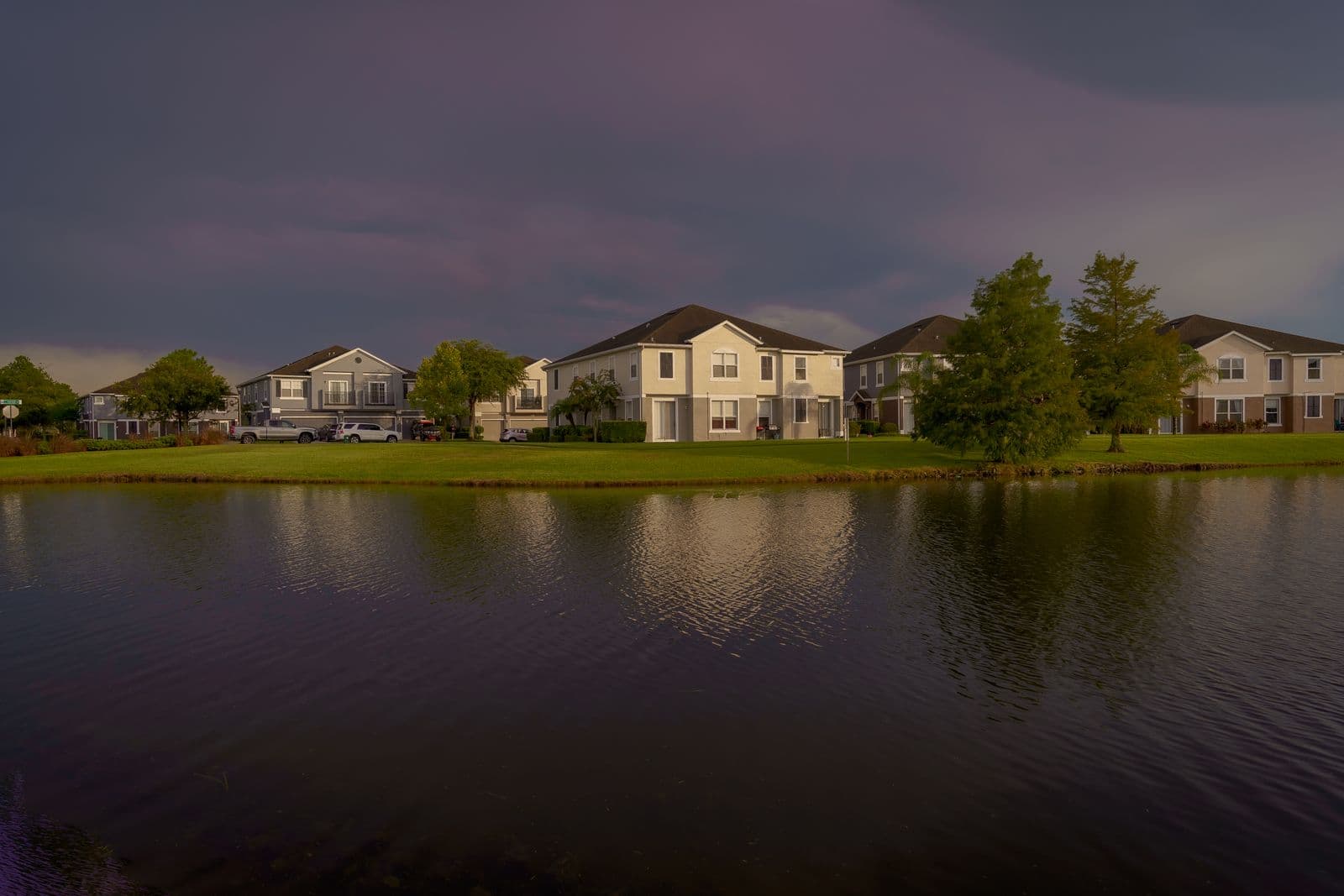
Central Florida is the most lightning-prone region in the United States, and Maitland sits squarely inside it. From June into September the pattern is dependable: heat builds all morning, and by mid-afternoon a violent storm cell drops an inch of rain, a lot of wind, and a barrage of lightning in under an hour. Your chimney is the tallest masonry object on the house, fully exposed, and it takes all of it head-on. Nearly every day, for a third of the year.
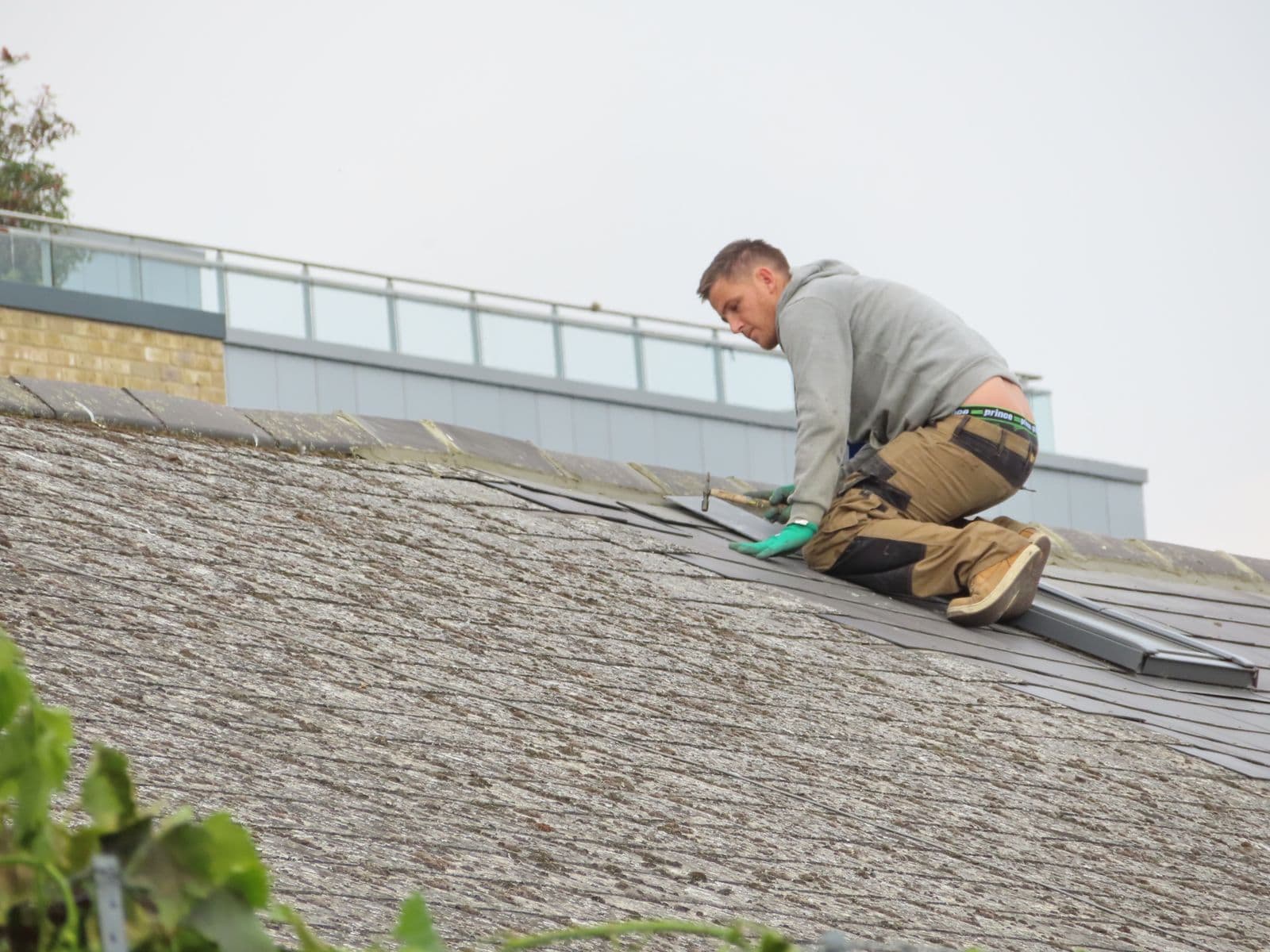
The frustrating part is that chimney leaks rarely announce themselves at the chimney. Water that enters at a cracked crown or tired flashing travels along framing and shows up as a ceiling stain a few feet away, peeling paint in a corner, or a damp smell in a room you rarely use. Effective chimney leak repair starts with finding the actual entry point (crown, flashing, cap, or saturated brick), because sealing the wrong spot does not stop the water, it just reroutes it somewhere new.
Prevention is the better economics. Bare masonry drinks Florida rain all summer, and brick that stays saturated feeds mildew, mortar decay, and interior damp. A breathable water repellent, the kind that sheds rain but lets trapped vapor escape, applied ahead of the wet season protects the whole stack at once; chimney waterproofing in the drier spring months is one of the highest-value hours a Maitland homeowner can spend on the house.
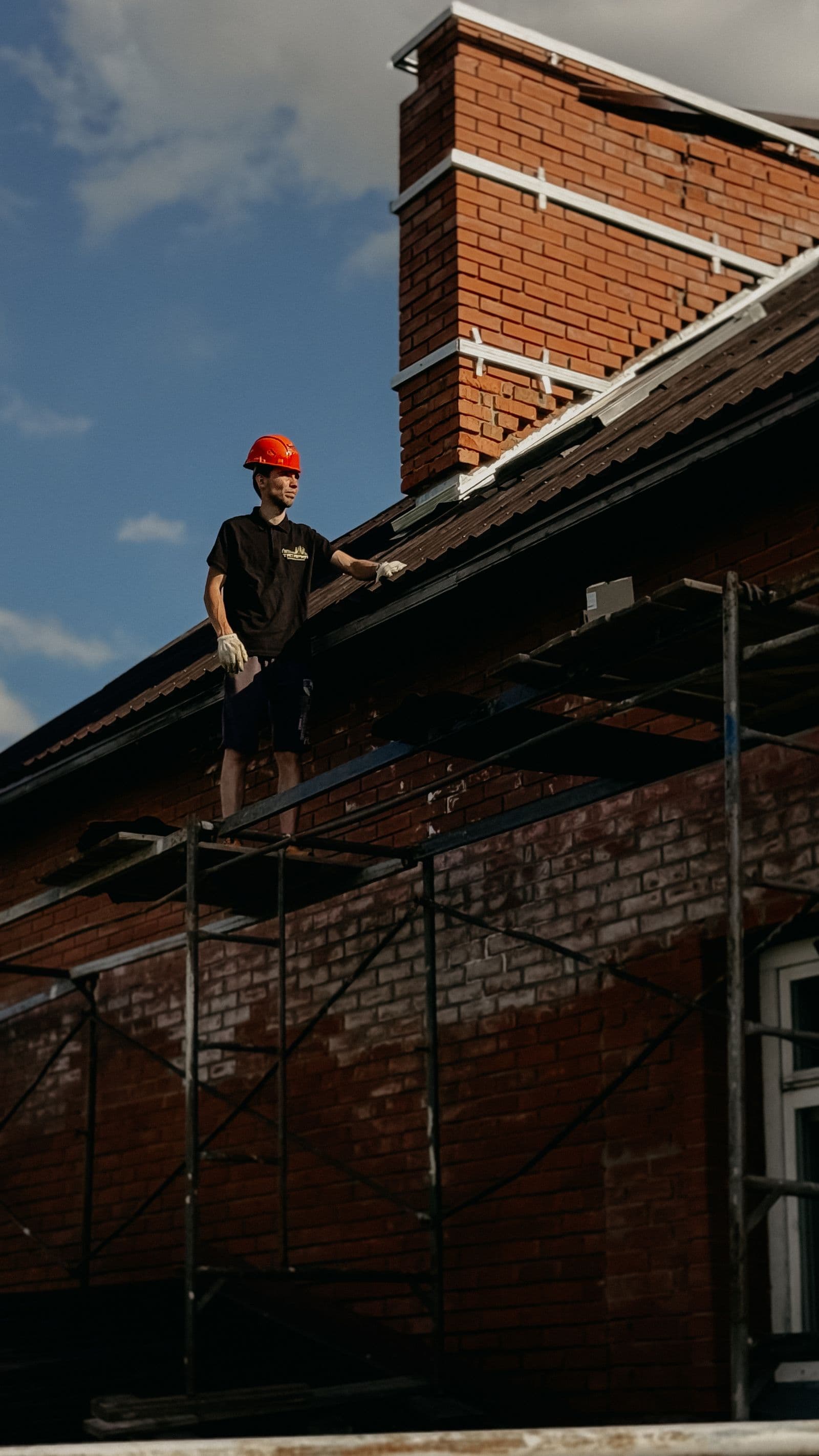
Hurricane season runs June through November, and while Maitland’s inland position spares it storm surge, crossing tropical systems still drag rain bands and gusting wind across Orange County, enough to strip a loose cap, lift tired flashing, and drive rain sideways into joints that vertical storms never test. After any system passes close, a two-minute look at the stack from the ground (anything shifted, missing, or newly stained) is a habit worth keeping, and anything that looks wrong deserves professional eyes before the next front.