
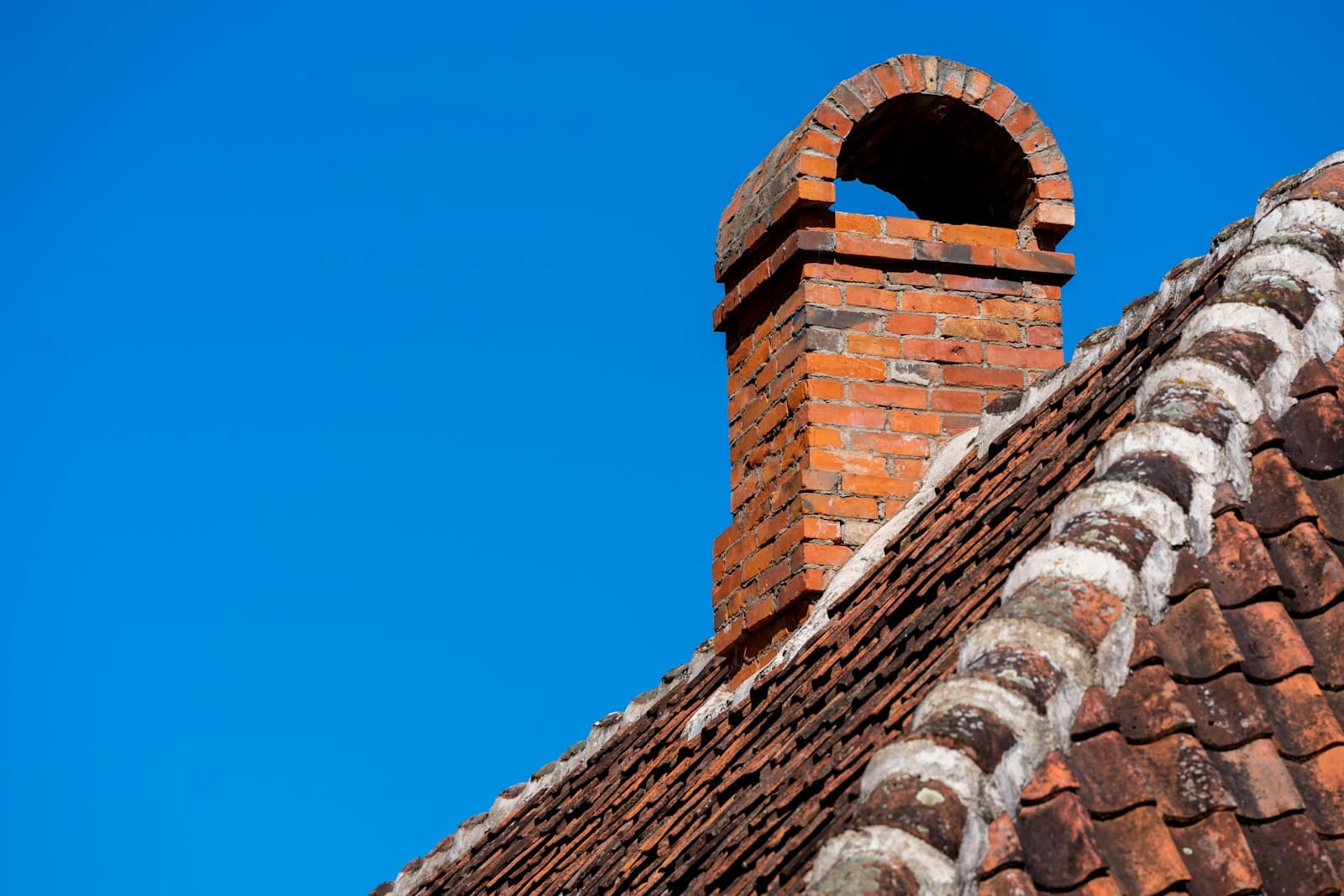
Chimney Cap Replacement in Leesburg, FL: Professional Service for Local Homes
A missing, loose, or deteriorated cap leaves the chimney opening exposed. Chimney cap replacement in Leesburg starts with identifying that opening: a masonry flue and a manufactured chimney termination do not necessarily use the same component. A cap is also different from the broad metal cover over a framed chase.
Choose a cap that suits the opening
The opening shape, mounting surface, exhaust passage, and existing system matter more than a cap that looks similar in a photograph. Screens and other features must suit the connected appliance rather than being assumed universal. Depending on the chimney, these details help distinguish compatible cap options from an unsuitable replacement:
- The number and shape of flue openings being covered
- The existing attachment surface and any damaged material beneath it
- Required exhaust space and compatibility with the connected appliance
- Material options, screen configuration, and access for future maintenance
How chimney cap installation needs are evaluated
The clearance between a cap and its flue openings must follow the applicable system and product requirements. A cover that looks large enough in a photograph may still be unsuitable. If smoke enters the room, stop using the fireplace and have the system assessed rather than assuming that changing the lid height will solve the problem.
The cap and the crown should be distinguished when investigating water entry. A replacement over the flue opening does not repair a cracked crown beside it or a failed roof connection below it. Ask which defect the cap work addresses and whether any separate source of moisture has been identified.
A missing cap can leave an opening exposed to weather and debris, but its absence alone does not establish the condition inside the chimney. Ask whether an inspection or cleaning is needed before returning the system to use. Separate those questions from the replacement part itself when reviewing the estimate.
How the cap is anchored, and what changes the job
Supporting repairs can change a cap replacement into a larger job. Damaged tile, loose masonry, or a deteriorated chase top may need attention before the new component can be attached. Ask which repairs are included in the proposed work and which findings would require a separate decision.
An inland address does not rule out corrosion, rain entry, or animal activity. Describe the condition you can observe safely, including a shifted lid, staining, or sounds from the chimney. Those observations help identify what needs attention without assuming that the location selects the replacement part.