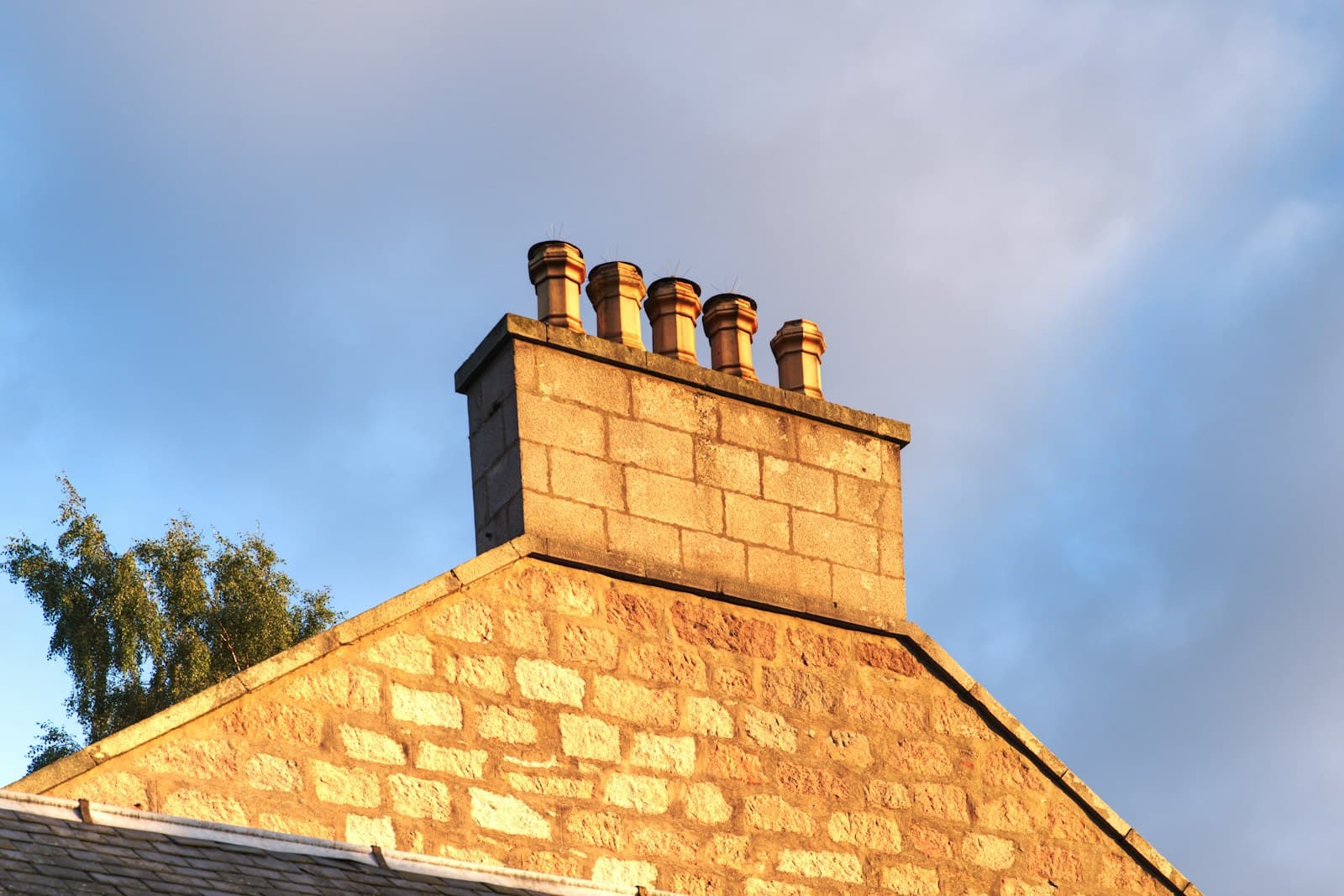
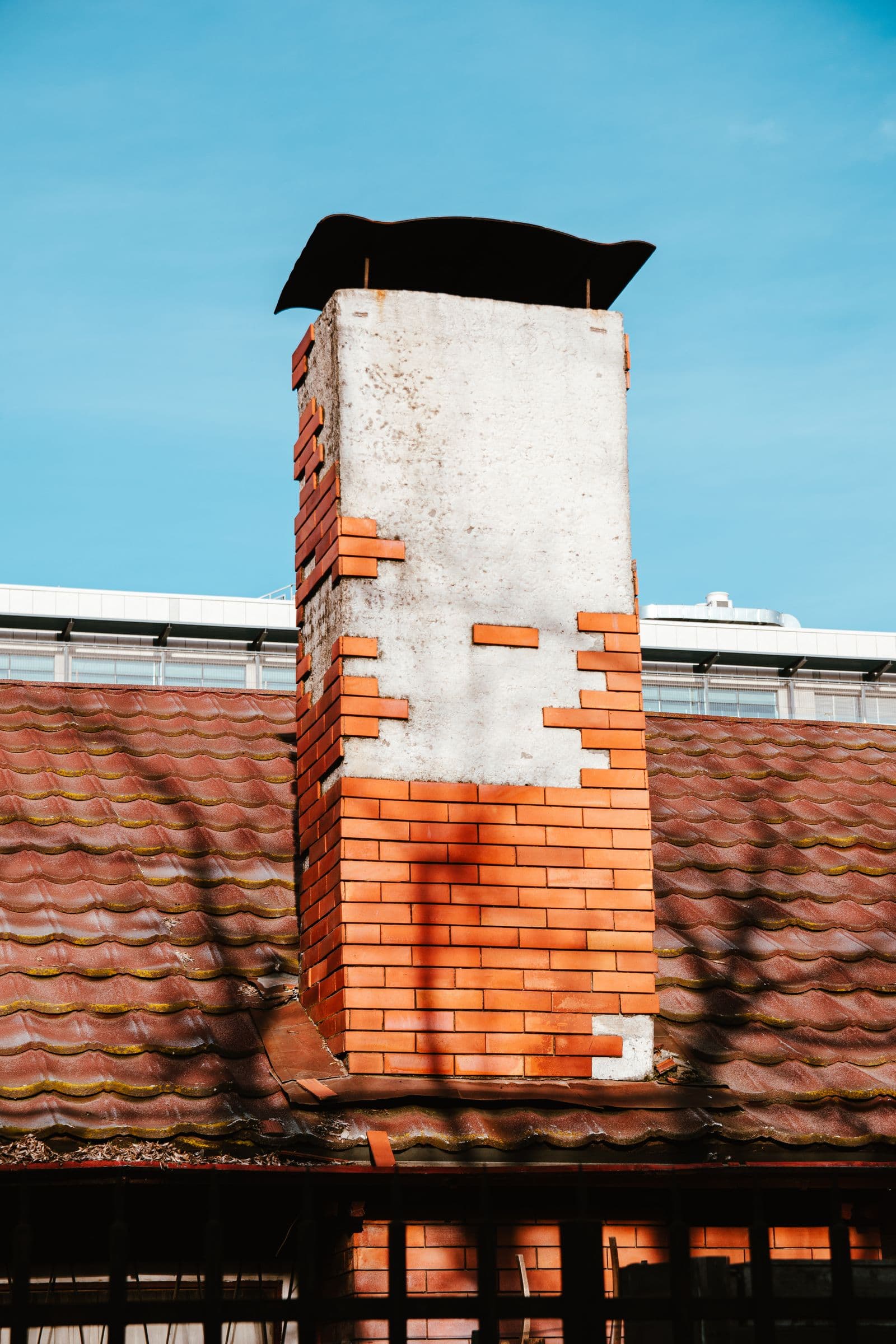
Your Lake County chimney & fireplace team in Leesburg
Leesburg is a Central Florida community in Lake County, part of Central Florida. That location is the single biggest factor in how chimneys age here — the local climate drives how quickly masonry, mortar, caps, and liners wear, and it matters more than the chimney itself when scoping any Leesburg repair, sweep, or rebuild.
As an inland Lake County community, Leesburg trades salt air for humidity and heavy seasonal storms — the two forces that keep masonry damp, open mortar joints, and turn small crown cracks into leaks. Work here leads with water management: crown, flashing, joints, and breathable waterproofing. Chimney Repair Service is the chimney company near me that Leesburg homeowners book for all the right reasons: a vetted local pro who knows the Leesburg climate, free estimates before any tool comes out, climate-appropriate materials, and a workmanship warranty in writing. The local pro comes to you.
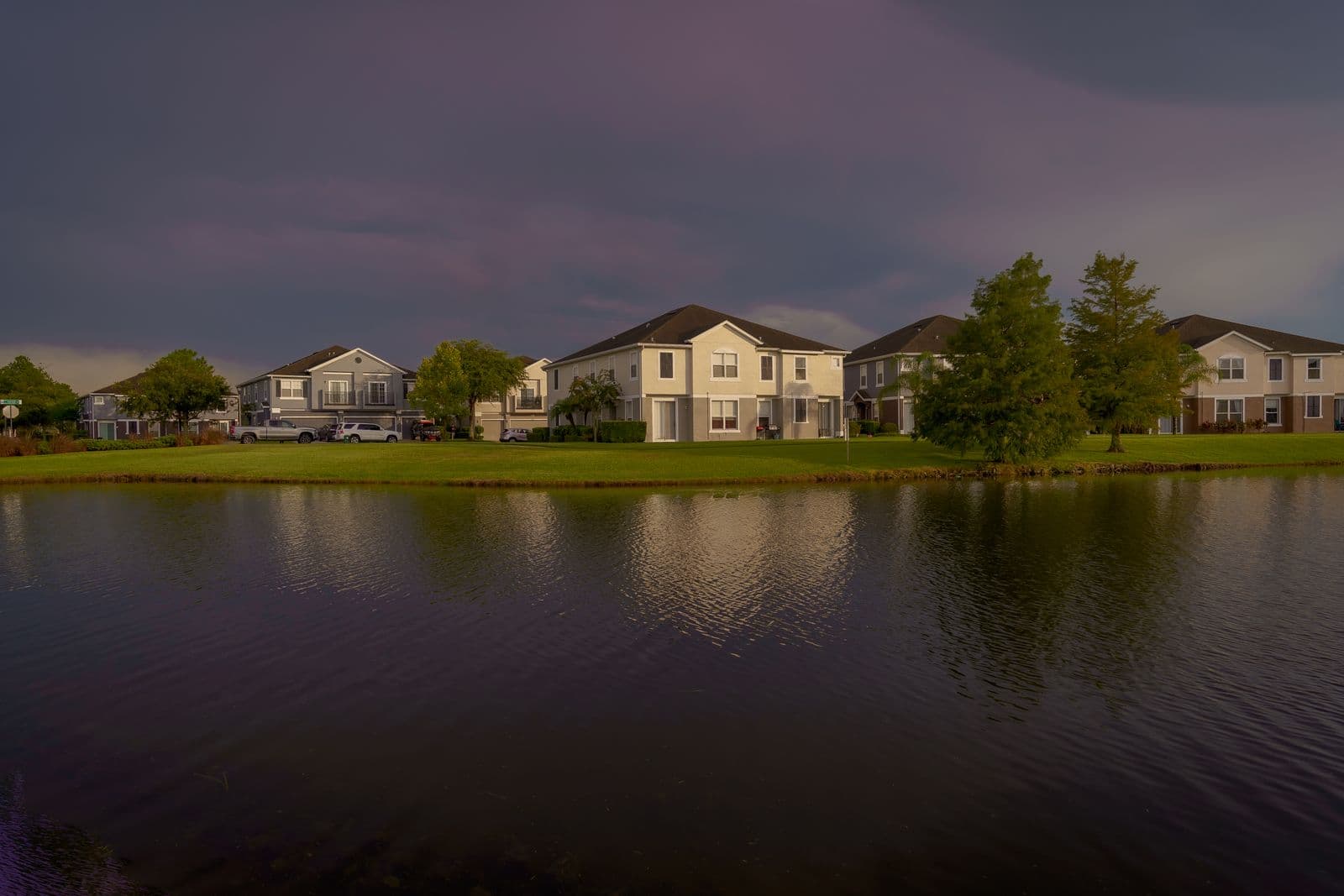
Leesburg sits between Lake Harris and Lake Griffin on the Harris Chain of Lakes, which means lake-country moisture works on local brick and mortar every single day of the year. When one of Central Florida's few genuinely cold nights finally arrives, we make sure your fireplace is ready for it.
Lake-country air works on Leesburg chimneys all year
A town wrapped in water lives with humidity that inland Florida never quite matches. Leesburg has Lake Harris on one side, Lake Griffin on the other, and the rest of the Harris Chain close by — so mornings often start with fog off the water and afternoons end thick and damp. Brick and mortar behave like sponges in that air: they take on moisture and rarely get a long enough dry spell to give it all back. Over the years, that slow soak is what softens mortar joints, pops brick faces, and rusts dampers and chase covers.
Then summer adds the storm pattern. From roughly June through September, an afternoon thunderstorm rolls over Lake County most days, and the rain often arrives sideways on a gusty outflow. Wind-driven rain is ruthless about finding weak points — a hairline crack in the crown, flashing that has lifted a quarter inch, a cap that went missing two seasons ago. The first sign most homeowners notice is a tea-colored stain on the ceiling near the chimney.
In our experience, water — not fire — is what actually ruins Florida chimneys. The good news is that the defenses are simple and affordable: a sound crown, tight flashing, a proper cap, and a breathable chimney waterproofing treatment that lets trapped moisture escape while keeping rain out. Done together, they change the whole trajectory of a masonry chimney's life here.
Two Leesburgs, two kinds of chimney work
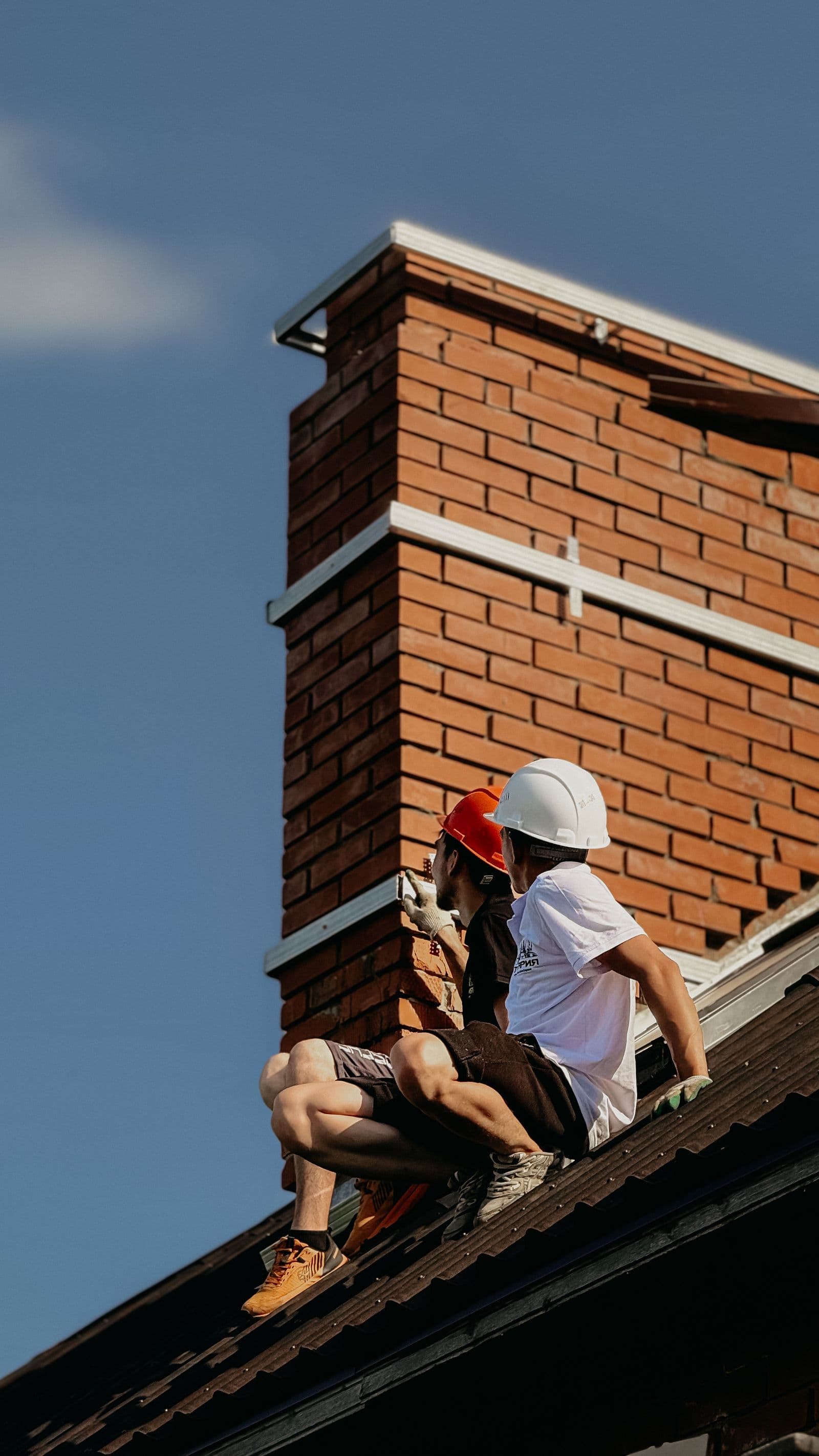
The older neighborhoods around the historic downtown core have homes going back to the early 1900s, many with original brick chimneys. That era's masonry was built well but built differently — softer mortar, generous flues, and decades of settling behind it. The typical work there is careful masonry repair: repointing eroded joints, rebuilding a deteriorated top few courses, and getting an aging flue safe to use again.
Then there's the other Leesburg — the golf and 55+ communities and the newer subdivisions strung along the US 27 and 441 corridors. Homes there from the 1980s through the 2000s often have factory-built fireplaces inside framed, sided chases rather than true masonry stacks. Those systems fail in their own ways: chase covers rust through and streak the siding, storm-driven rain sneaks past the top, and builder-grade caps give up early.
A lot of Leesburg's newer stock is classic Florida concrete-block-and-stucco construction, and when the chimney chase is stucco-clad it develops its own signature problem: hairline cracks that look purely cosmetic but wick water straight into the structure behind them. Stucco holds moisture against whatever it covers, so a small crack at the top of a chase can quietly feed a leak for years before anything shows inside the house. Caught early, it's a seal-and-refinish job; caught late, the framing behind the stucco is part of the bill.
We work on both types every week, and we'll tell you plainly which kind you have and what it actually needs. A prefab chase leak and a masonry crown crack look similar from the living room — the fixes, and the fair prices for them, are very different.
The idle-flue problem: a few fires a year still need attention
Most Leesburg fireplaces burn a handful of nights each winter and sit idle the other eleven months. Idle doesn't mean safe. Humid lake air mixes with old creosote and produces that musty, campfire-gone-wrong smell in summer. Wasps, birds, and squirrels treat an uncapped flue as prime real estate. And a blockage that formed in April won't announce itself until you strike a match on the first cold December night.
That's why NFPA 211 guidance calls for a chimney inspection every year even when the fireplace sees little use. An annual chimney inspection catches moisture damage, nesting, and flue problems while they're still small and cheap, and a sweep is added only when the buildup actually calls for it.
What does that yearly visit actually cover? The whole path, top to bottom: the cap and crown up top, the flashing where chimney meets roof, the flue itself, then the damper and firebox down where you live with it. In lake country the findings skew toward moisture — rust, soft mortar, damp odor — rather than heavy creosote, which is exactly why light burners still benefit from the look.
The smart time to book is early fall, before the first real cold front sends everyone to the phone at once. But truthfully, any month works — and same-day scheduling is often available across Leesburg and the surrounding lake towns.
Hurricane season is chimney season in Lake County
From June through November, your chimney is the tallest, most exposed thing on the roof. A pre-season check is quick and focused: is the cap mechanically secure, is the flashing sealed and tight, is the crown free of open cracks? Fixing those before a tropical system arrives is far cheaper than drying out a living room after one.
After a storm passes, walk the yard and look up. Bricks or cap pieces on the ground, a new lean, granules and debris packed around the chimney base, or a fresh ceiling stain all deserve a prompt call. For active problems — water coming in during the storm itself — our 24/7 line is answered around the clock.
Tropical rain doesn't fall, it travels sideways, and it can drive water into masonry that handles ordinary storms just fine. If your chimney took on water, the priority is assessing what got wet, letting it dry properly, and sealing the entry point so the next band of weather doesn't repeat the trick.
And when the season finally breaks, Lake County does get real fireplace weather — a handful of nights each winter cold enough to matter, occasionally even a light freeze. The homeowners who enjoy those nights most are the ones whose storm-season repairs and fall inspection are already behind them. It's a rhythm worth adopting: check in spring, fix in summer, burn in winter.

Straightforward chimney repair in Leesburg
We're a family-owned Florida company, and the person who answers the phone is a real person — not a menu tree. Vetted local pros handle the work, show up when they said they would, and explain what they found in plain English before anything gets fixed.
Every job starts with a free written estimate and upfront pricing, so the number you approve is the number you pay. Workmanship is backed by a warranty in writing — the term is spelled out right on your written estimate, not implied over the phone.
Leesburg is also a hub for the smaller lake towns around it, and we treat the whole area as home turf — if you're on the water, in a golf community, or out along the highway corridors, you're inside our normal service pattern, not a special trip. That matters most on the days that can't wait, when 'we can be there today' has to actually be true.
Whether it's a routine sweep, a stubborn leak, or a chimney that's reached the point of a full rebuild, the first step is the same: a free look and an honest answer. Request your free estimate and we'll take it from there.