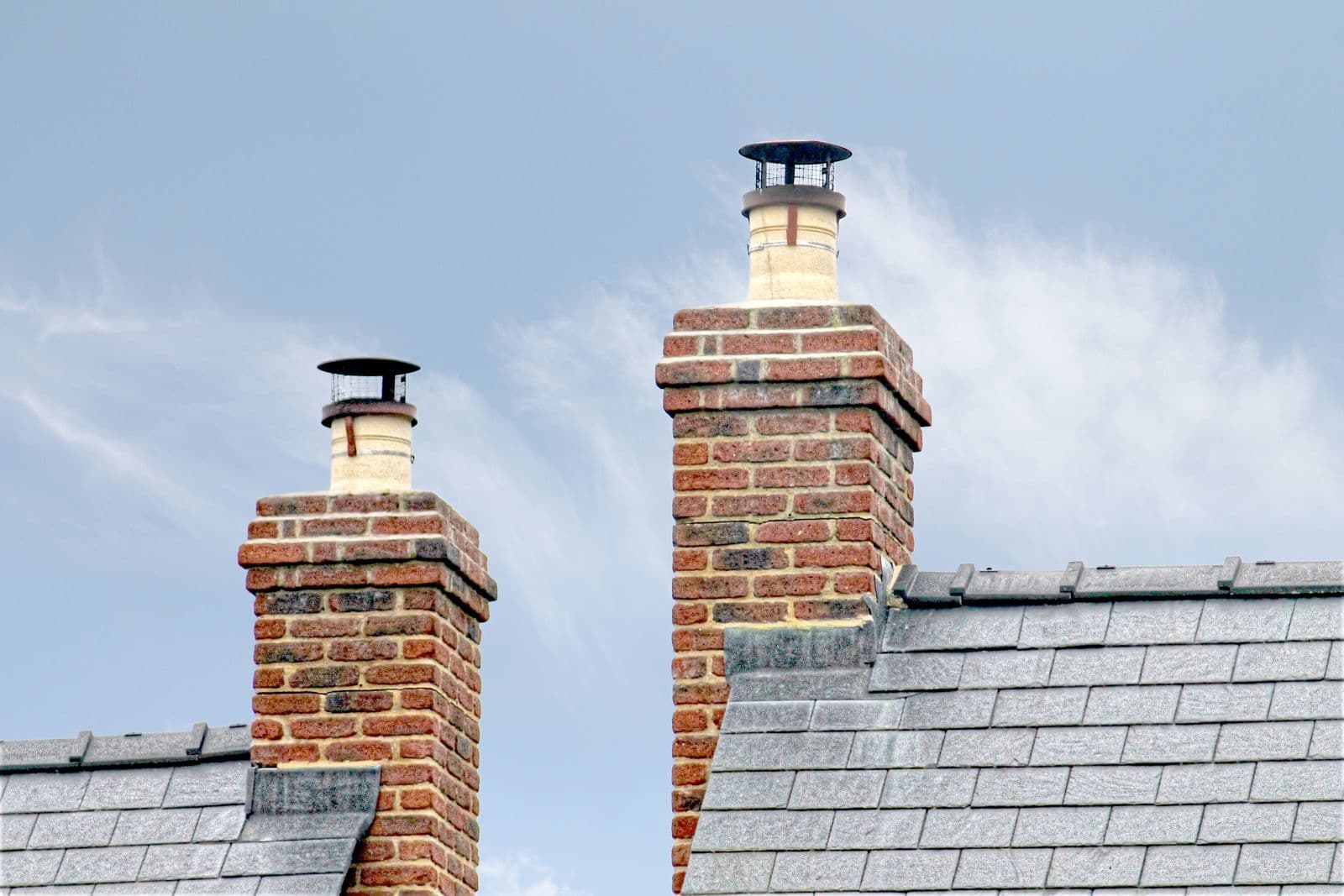
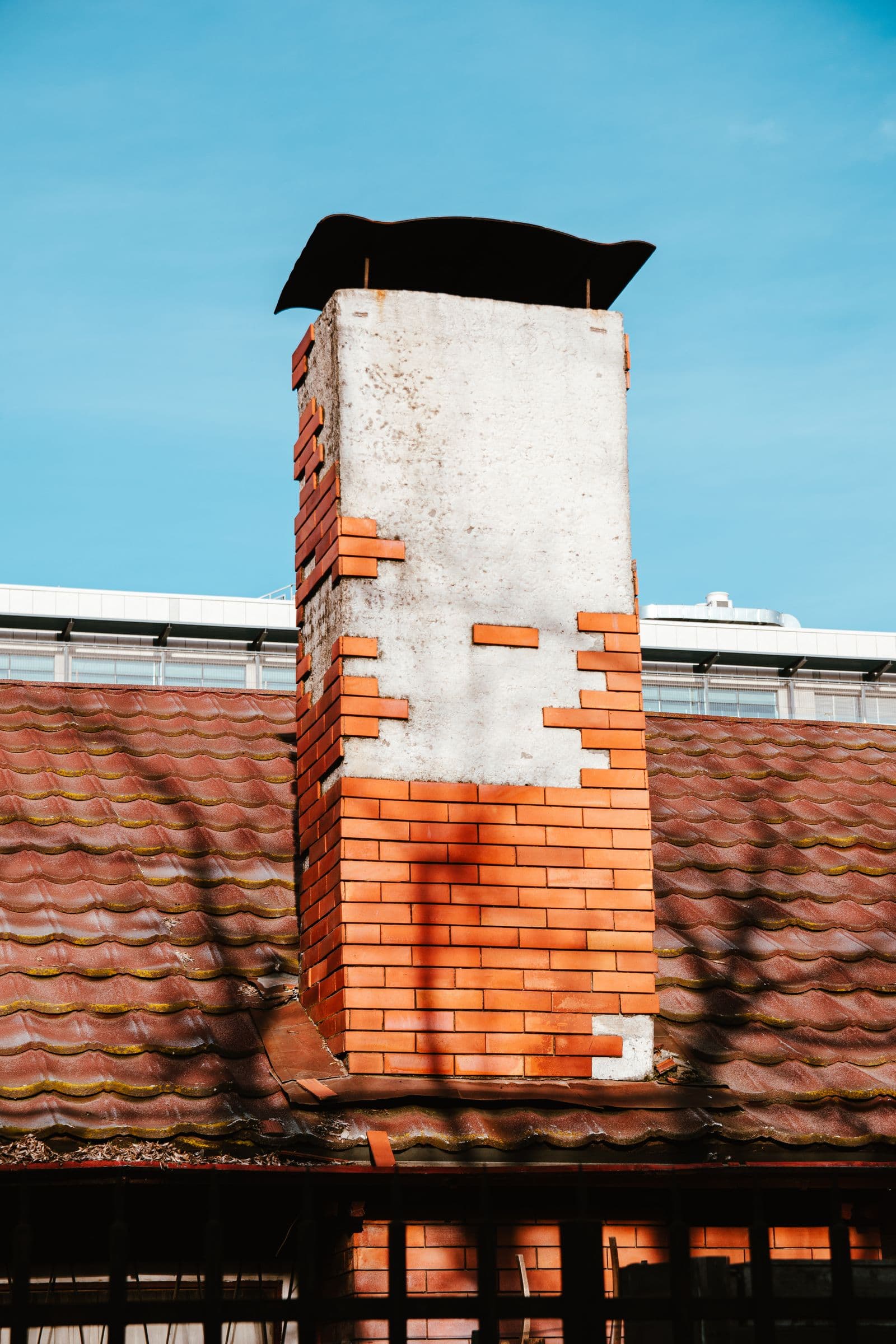
Central Florida is among the most lightning-struck regions in the country, and Kissimmee sits squarely in it. From June into September the pattern is dependable: heat builds all morning, and a violent storm cell unloads most afternoons. Your chimney is the tallest, most exposed thing on the house through all of it. A direct or nearby strike can crack a crown or shift masonry, but the everyday damage is quieter: an entire wet season of driving rain finding every hairline crack, tired flashing seam, and porous mortar joint.
Chimney leaks rarely show up at the chimney. They announce themselves as a ceiling stain a few feet away, bubbling paint in a corner, or a damp smell in a bedroom nobody uses. Chimney leak repair starts with finding the true entry point (crown, flashing, cap, chase top, or saturated brick), because sealing the wrong spot just reroutes the water somewhere less visible. Prevention runs cheaper: a breathable water repellent applied ahead of the wet season lets brick shed rain while trapped vapor escapes, which is what chimney waterproofing done properly means.
Hurricane season adds the heavyweight version. Kissimmee's inland position spares it storm surge, but Central Florida has learned more than once that a hurricane can cross the peninsula and still arrive with damaging wind. Inland is not the same as safe. Systems tracking through drag tropical rain bands sideways into mortar joints that vertical rain never tests, strip loose caps, and lift flashing that was already tired. After any storm passes close, a two-minute look from the ground, checking for anything shifted, missing, leaning, or newly stained, is worth the habit, and anything that looks wrong deserves professional eyes before the next band arrives. For a chimney fire, suspected carbon monoxide or gas, an unstable chimney, or another immediate danger, leave the area and call 911 or the utility first.