
Proudly American-Owned

Chimney & Fireplace Company in Jacksonville Beach, FL

Need chimney repair, fireplace service, cleaning, or restoration in Jacksonville Beach, FL? Start with a free estimate visit from a technician.

Free Jacksonville Beach Estimate

10% OFFFirst service

Family-Owned

A family-owned company serving Jacksonville Beach properties.

Proudly American-Owned

An American-owned chimney and fireplace company.

Free Estimate Visit

A technician can visit the property and provide a free estimate.

Reliable Chimney Repair & Fireplace Service in Jacksonville Beach, FL

Jacksonville Beach sits on a barrier island east of the Intracoastal, where Atlantic salt air works on a chimney every single day, and where North Florida winters are real enough that plenty of those chimneys actually get lit. That combination, salt plus genuine burn season, is what makes chimney care at the Beaches its own discipline.

Name the symptom at the Jacksonville Beach address, then open the matching page: chimney repair in Jacksonville Beach, chimney sweeping, inspection, leak repair, cap replacement, crown repair, flashing repair, waterproofing, masonry repair, relining, rebuild, hurricane repair, gas fireplace repair, animal removal, or fireplace repair. The technician estimate visit is free.

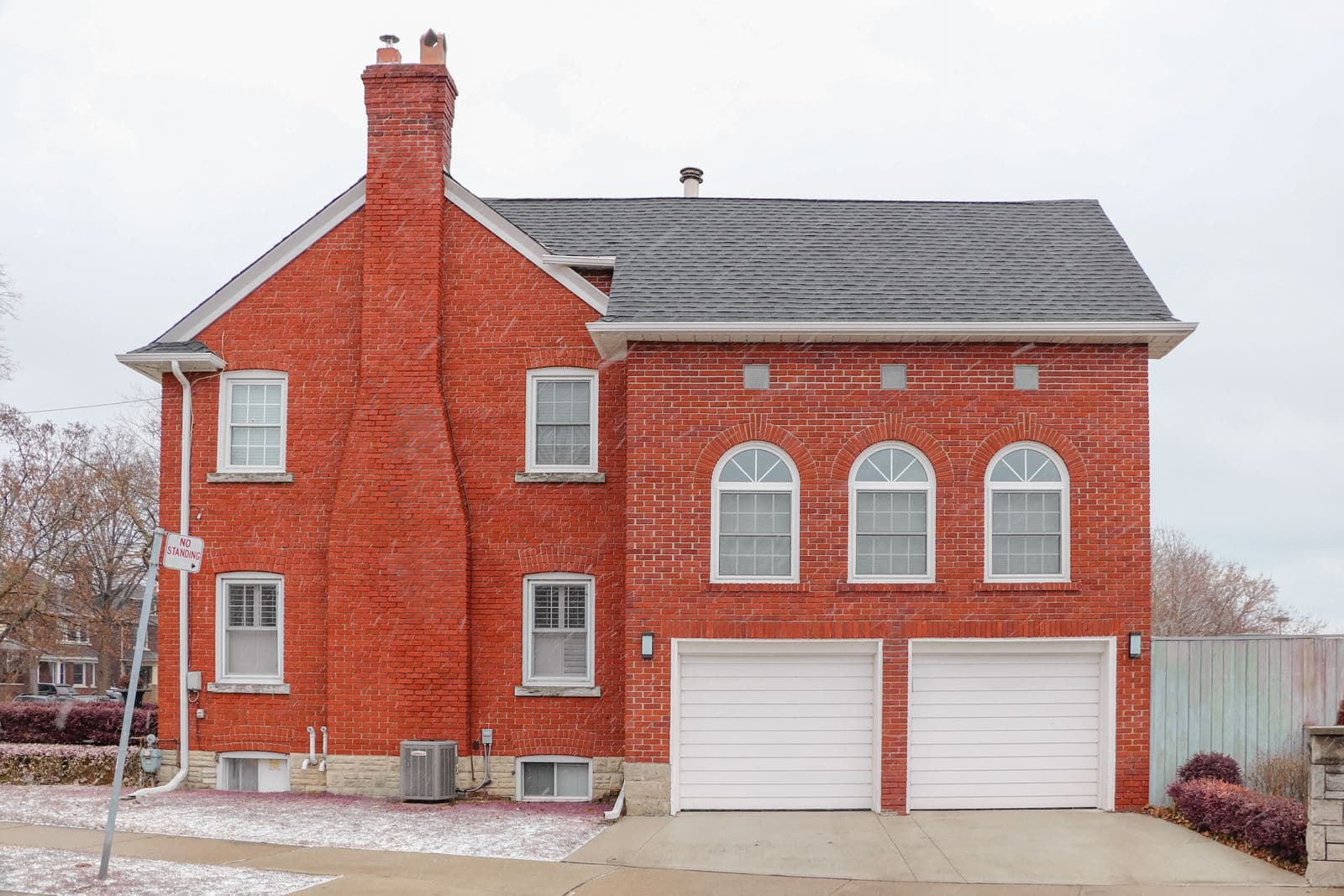
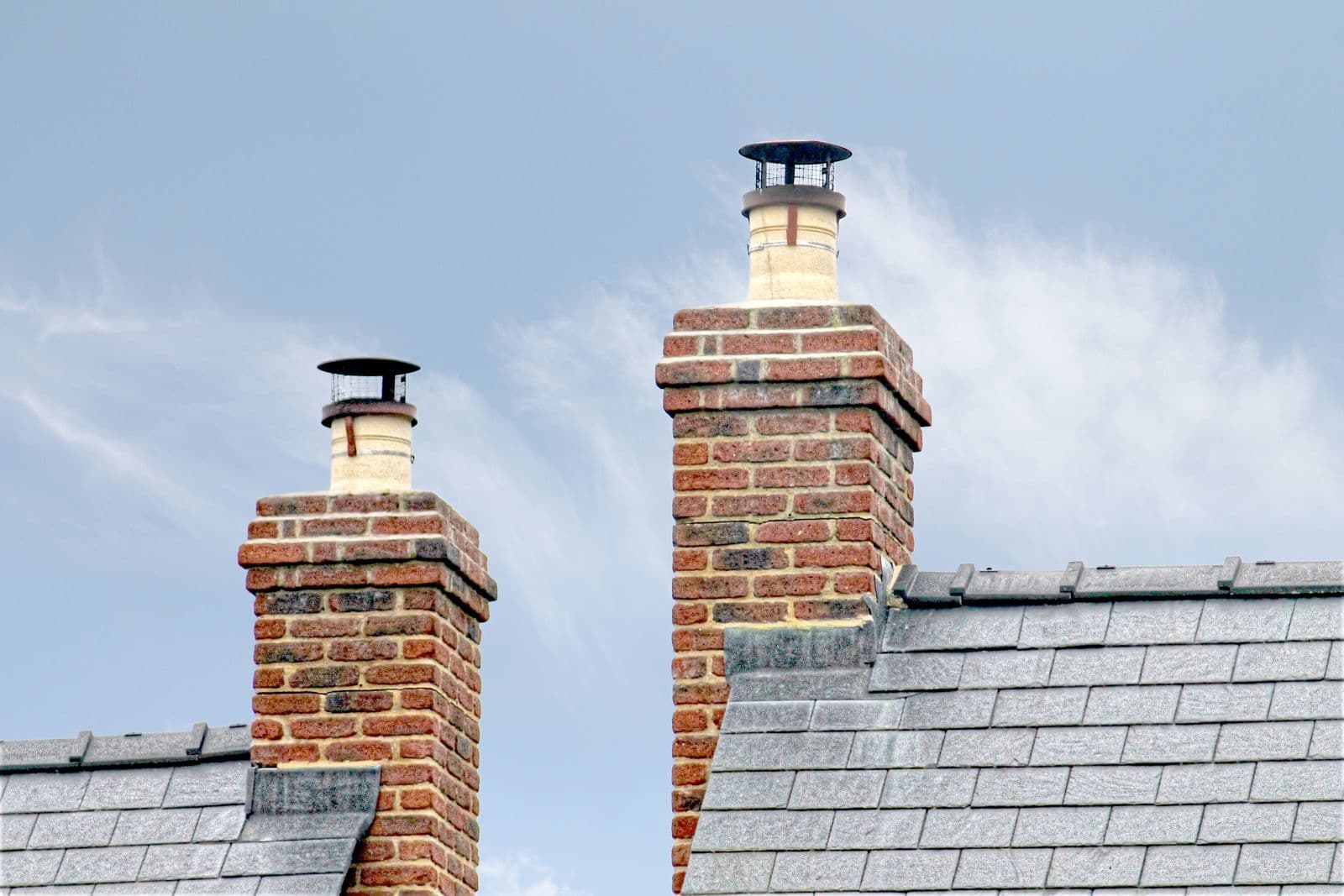
A red brick house with a chimney

What happens next

How chimney and fireplace service works in Jacksonville Beach

The estimate visit is separate from any paid work, so you can review the estimate before deciding.

  1. Tell us what you are seeing

    Call or send the estimate form with the service or concern you want reviewed. Include your property's ZIP code in Jacksonville Beach.

  2. Get a free estimate visit

    A technician can visit the property and provide a free estimate for chimney or fireplace service.

  3. Approve the work before it begins

    Paid work requires a deposit. If you cancel after paying the deposit, the company retains it.

Understanding Jacksonville Beach properties

Salt air is the quiet enemy at Jacksonville Beach

Salt exposure can accelerate corrosion of exposed chimney components. Rust staining or pitting deserves an assessment; replacement material, compatibility, specifications, and pricing should be evaluated for the particular system and stated in the estimate. See chimney-cap installation for service information.

Salt exposure can accelerate corrosion of exposed chimney components. Rust staining or pitting deserves an assessment; replacement material, compatibility, specifications, and pricing should be evaluated for the particular system and stated in the estimate. See chimney-cap installation for service information.

Masonry feels the salt too, more slowly. Salt-laden moisture wicks into brick and mortar, and as it dries the salt crystallizes inside the pores. Over the years that pressure helps mortar joints sand out and brick faces flake. It is a gradual process, but on a chimney that faces the ocean wind every day of its life, it adds up. Keeping the crown sealed and the masonry protected with a breathable water repellent slows the whole cycle down considerably.

The First Coast burns real fires

This is North Florida, and the winters mean it. From December into February, cold fronts push Duval County nights into the 40s and 30s with regularity, frost shows up most winters, and a genuine freeze is never a surprise. Jacksonville Beach fireplaces are not just décor. When a front rolls through and the ocean wind turns cold, they get lit, and often for several nights running. That stop-start pattern, months of nothing followed by a week of heavy use, is exactly what catches flues unprepared.

Every burn night leaves creosote in the flue, and creosote is flammable; it is the fuel in most chimney fires. A proper chimney sweep in the fall clears out last winter's deposits and confirms the damper, smoke chamber, and flue are ready before the first front arrives. The alternative is finding out in January, when the cold snap has every homeowner at the Beaches calling the same week.

A separately scoped chimney inspection may evaluate the flue and relevant components. A technician can visit the property and give a free estimate.

Beach cottages, rebuilt streets, and two kinds of chimney

The housing stock at Jacksonville Beach tells its age in layers. Closer to the ocean and the pier, older beach cottages and mid-century block homes still stand shoulder to shoulder with new construction, because the Beaches have been rebuilding themselves street by street for decades. Many of those older homes carry original masonry chimneys: brick stacks that have taken salt wind and storm rain for fifty years or more, and whose mortar joints and crowns show every year of it.

Older flue liners can crack or shift where the condition is not visible from the room. Whether relining or another repair is appropriate depends on a separately scoped inspection and system compatibility; any proposed recommendation depends on the condition at the property.

The newer townhomes and rebuilt houses are a different trade entirely. Most use factory-built fireplaces inside framed, sided chases, and their failure points are almost all sheet metal: rusting chase covers, undersized caps, and flashing that gives up early in the salt air. On these systems the jobs are smaller but the stakes are the same. Water that gets past a failed chase top rots framing you cannot see. The chimney type and observed condition should be evaluated before any repair scope or materials are proposed.

Nor'easters, hurricanes, and sideways rain

Jacksonville Beach gets its weather from two directions. Hurricane season runs June through November, and even systems passing well offshore rake the Beaches with tropical rain bands and gusting onshore wind. Then comes the First Coast's specialty: the nor'easter. In fall and winter especially, a stalled onshore flow can park over the coast for days at a time, with persistent strong gusts and rain driven flat off the ocean. A vertical summer shower tests a chimney's crown; a three-day nor'easter tests every mortar joint, flashing seam, and cap on the windward face.

Wind-driven rain is why beach chimney leaks confuse people. Water forced sideways into a joint travels along framing and shows up as a ceiling stain rooms away, or as paint bubbling around the fireplace weeks later. Chimney leak repair starts with finding the true entry point (crown, cap, chase top, saturated brick, or the flashing line where chimney meets roof), because caulking the wrong spot just reroutes the water. At the ocean, tired flashing is the most common culprit; salt shortens its life the same way it shortens everything else's.

Prevention is straightforward and worth it. A breathable water repellent lets brick shed sideways rain without trapping vapor inside, and chimney waterproofing ahead of storm season protects the masonry through both the summer tropics and the winter nor'easters. After any storm that howls all night, a two-minute look from the ground (cap still square, cover still seated, nothing newly stained) is a habit that pays for itself.

Honest chimney help at the Beaches

A technician can visit the property and give a free estimate.

For a chimney fire, suspected carbon monoxide or gas, an unstable chimney, or another immediate danger, leave the area and call 911 or the utility first. If you've been putting off chimney work at the Beaches, the first step is a look and a number, not a commitment.

Talk with our team

Need chimney and fireplace service in Jacksonville Beach?

Tell us what you are seeing and include your property's ZIP code. We will use those details to understand the service request.

Frequently Asked

Jacksonville Beach Chimney Repair & Fireplace Service Questions

Does salt air really damage chimneys in Jacksonville Beach?
Salt exposure can accelerate corrosion relative to inland conditions. Corrosion-resistant materials may be considered after the system and exposure are assessed; specifications and pricing are confirmed in writing.
How often should a Jacksonville Beach chimney be inspected?
NFPA 211 guidance is an inspection every year, and the Beaches give you two reasons to follow it: real North Florida burn seasons that build creosote, and salt-air corrosion that quietly eats metal components year-round. The smart timing is early fall: get the flue swept and the hardware checked before the first cold front, when schedules fill fast.
Do people at the Beaches actually use their fireplaces?
Absolutely. Duval County winters bring regular nights in the 40s and 30s, routine frost, and the occasional hard freeze, and a cold onshore wind makes it feel sharper. When a front settles in, Jacksonville Beach fireplaces burn for days at a stretch. That stop-start pattern is exactly why a fall sweep matters: months of buildup meet a week of heavy use.
Why does my Jacksonville Beach chimney only leak during nor'easters?
Because sideways rain tests seams that vertical rain never touches. A nor'easter drives water flat off the ocean for days, forcing it into flashing laps, mortar joints, and cap edges on the windward face. The stain often appears rooms away from the entry point. Proper leak repair traces the water to its true source (flashing is the most common one on beach homes) instead of caulking where the stain shows.
What do chimney repairs in Jacksonville Beach usually cost?
Honest answer: it depends on which part of the chimney failed, and that is not something anyone can tell you over the phone. A cap swap and a crown that has to be re-cast are different jobs on the same chimney. What moves the number is roof access and stack height, the materials appropriate to the chimney and its exposure, how far the failure has already run, and whether several items can share one visit instead of three separate trips. A technician can visit the property and give a free estimate. Every approved paid job requires a deposit. If you cancel after paying the deposit, the company keeps it.

Ready to schedule chimney service in Jacksonville Beach?

Tell us what you are seeing, include your property's ZIP code, and call to request a technician estimate visit.