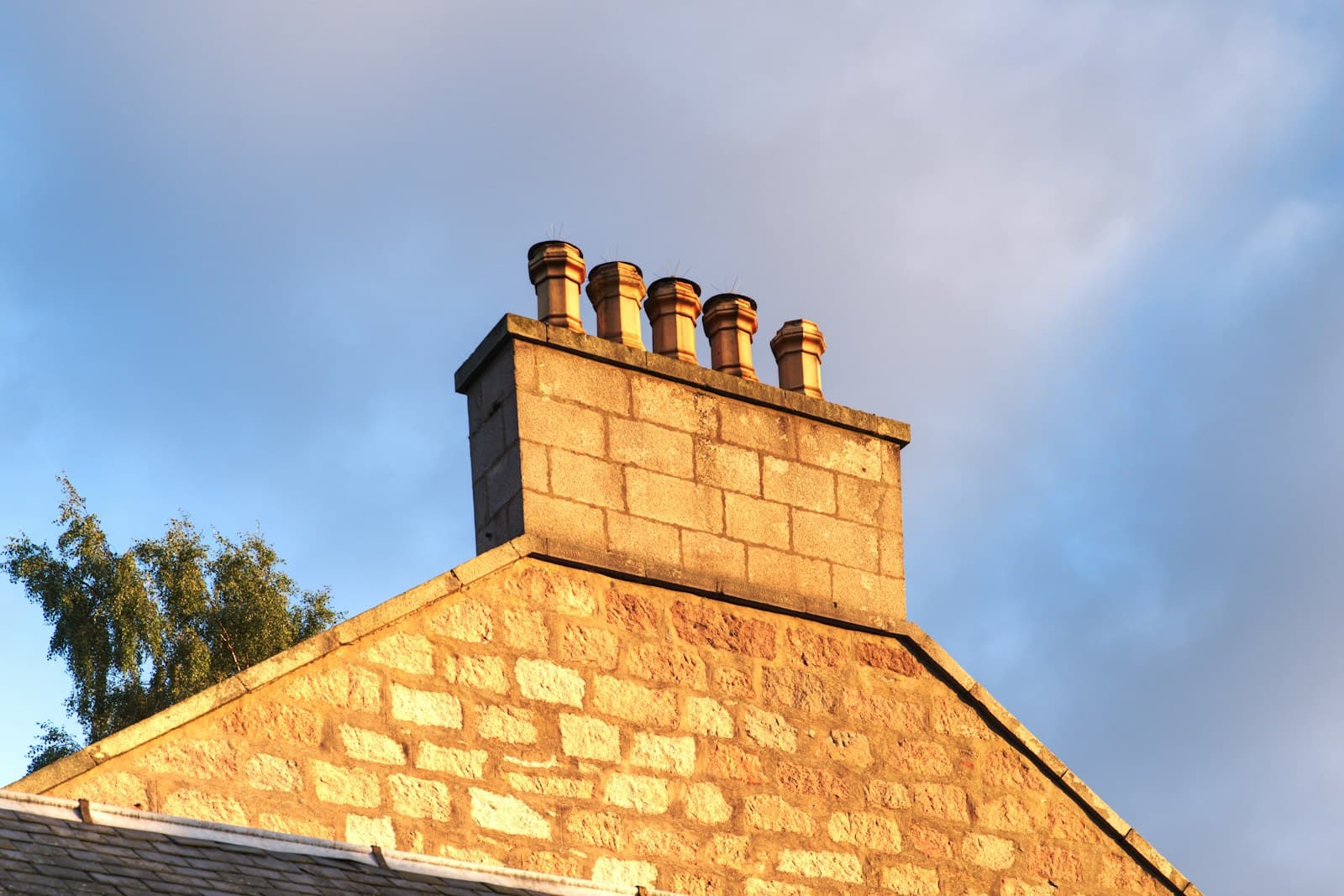
Gainesville's tree canopy is one of the best things about living here, and one of the harder things on a chimney. Live oaks shed leaves, catkins, and small branches year-round, and an uncapped or poorly capped flue collects all of it: damp organic debris that holds moisture against the liner and can block draft entirely. The canopy also puts wildlife at rooftop level: squirrels and raccoons treat an open flue as a ready-made den, and birds nest in them every spring. Humane animal removal handles the current tenant; a proper cap keeps the vacancy from reopening.
Then there's the water. From June into September, Gainesville gets its rain the inland-Florida way: a violent thunderstorm most afternoons, under the lightning-heavy summer skies Florida is famous for. The chimney is the most exposed structure on the house and takes it all head-on. Hairline cracks in the crown, tired flashing at the roofline, and bare porous brick each give water a path inside, and chimney leak repair starts with finding the true entry point, because sealing the wrong one just reroutes the stain.
Gainesville adds a twist most of Florida escapes: winter. Masonry that goes into a hard freeze saturated from the storm season can spall as the water inside it expands: the freeze does the damage, but the summer set it up. A breathable water repellent applied in the drier months protects the brick through both seasons at once, which is why chimney waterproofing earns its keep here more than it does further down the peninsula. Hurricane season rounds out the calendar: the inland position spares Gainesville the coast's surge, but crossing tropical systems still drag wind and sideways rain across Alachua County, enough to strip a loose cap or lift flashing that was already tired. After any storm passes close, a two-minute look at the stack from the yard is a habit worth keeping.