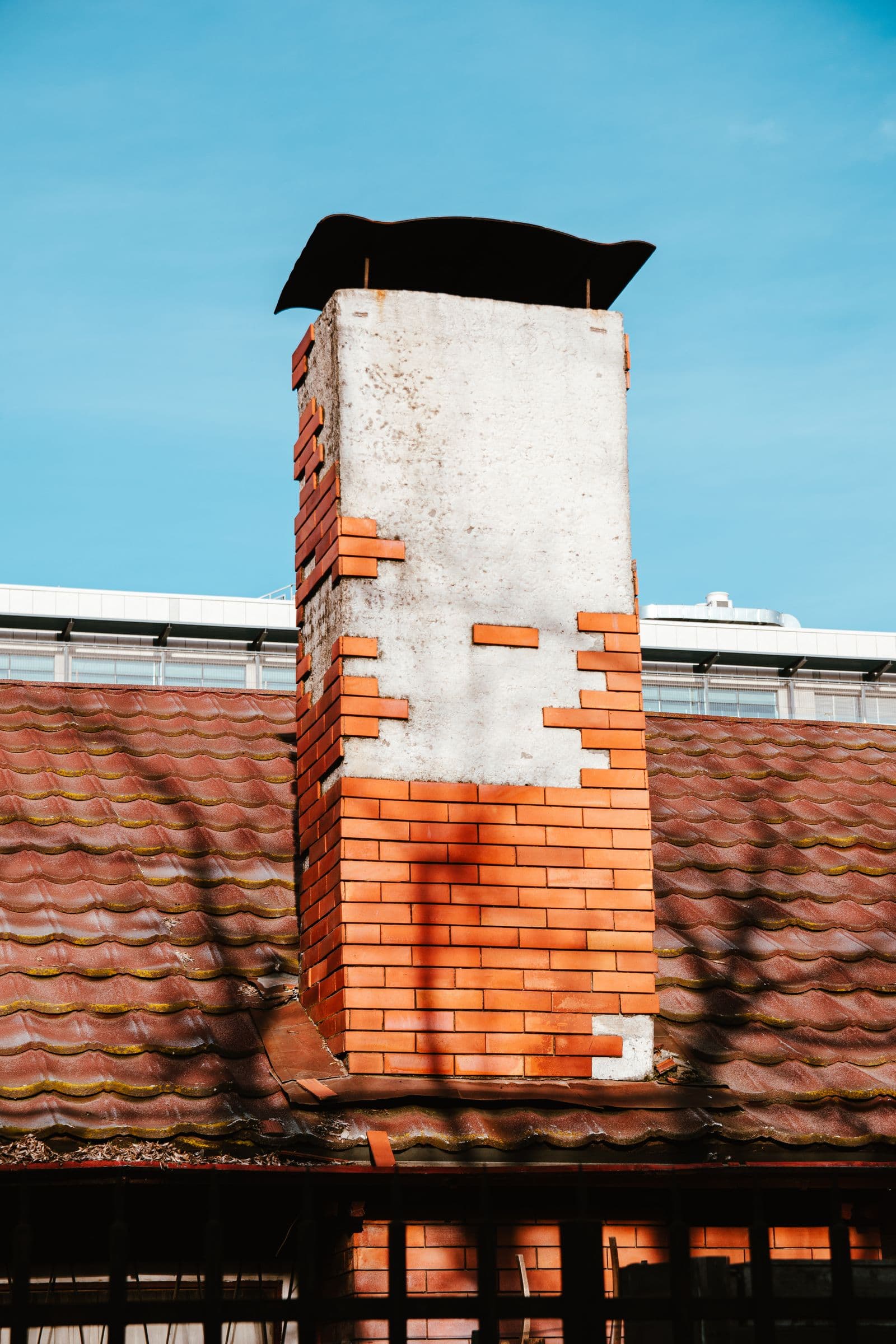
Your Volusia County chimney & fireplace team in DeBary
DeBary is a Volusia County community on Florida's Space or Treasure Coast, part of Florida's Space & Treasure Coast. That location is the single biggest factor in how chimneys age here — the local climate drives how quickly masonry, mortar, caps, and liners wear, and it matters more than the chimney itself when scoping any DeBary repair, sweep, or rebuild.
As an inland Volusia County community, DeBary trades salt air for humidity and heavy seasonal storms — the two forces that keep masonry damp, open mortar joints, and turn small crown cracks into leaks. Work here leads with water management: crown, flashing, joints, and breathable waterproofing. Chimney Repair Service is the chimney company near me that DeBary homeowners book for all the right reasons: a vetted local pro who knows the DeBary climate, free estimates before any tool comes out, climate-appropriate materials, and a workmanship warranty in writing. The local pro comes to you.
DeBary is St. Johns River country — oak shade, Gemini Springs, and a grand 1871 estate that gave the town its name. Its winters also run a few degrees colder than the coast, which means fireplaces here actually get used.
River country is its own climate
DeBary sits in west Volusia between the St. Johns River and a chain of lakes and springs, under some of the best oak canopy in Central Florida. There's no salt air here — the coast is a solid drive east — but the river lowlands trade salt for saturation. Humidity hangs in the shade, roofs under big oaks stay damp long after the rain stops, and anything on a chimney that can grow mildew, algae, or rust will find the time to do it.
The oaks bring a second, more mechanical problem: debris. Leaves, acorns, and Spanish moss collect against chimney caps and in flashing valleys, holding moisture against metal and masonry and slowly clogging spark screens. A cap check and clear-out is quick work, but skipped for a few years it becomes the starting point for rust, blockages, and leaks.
The river adds its own signature: fog. On cool mornings the St. Johns lowlands around Gemini Springs and the marinas blanket in mist that soaks every exposed surface as thoroughly as light rain — and it happens most often in exactly the season you're using the fireplace. A DeBary chimney gets wet from above in summer and from the air itself in winter; there's no true off-season for moisture here.
The third resident of the canopy is wildlife. Squirrels and raccoons treat an uncapped or damaged flue as prime real estate, and birds nest in them every spring. A solid, screened chimney cap is the cheapest eviction notice ever written.
From DeBary Hall to modern block homes
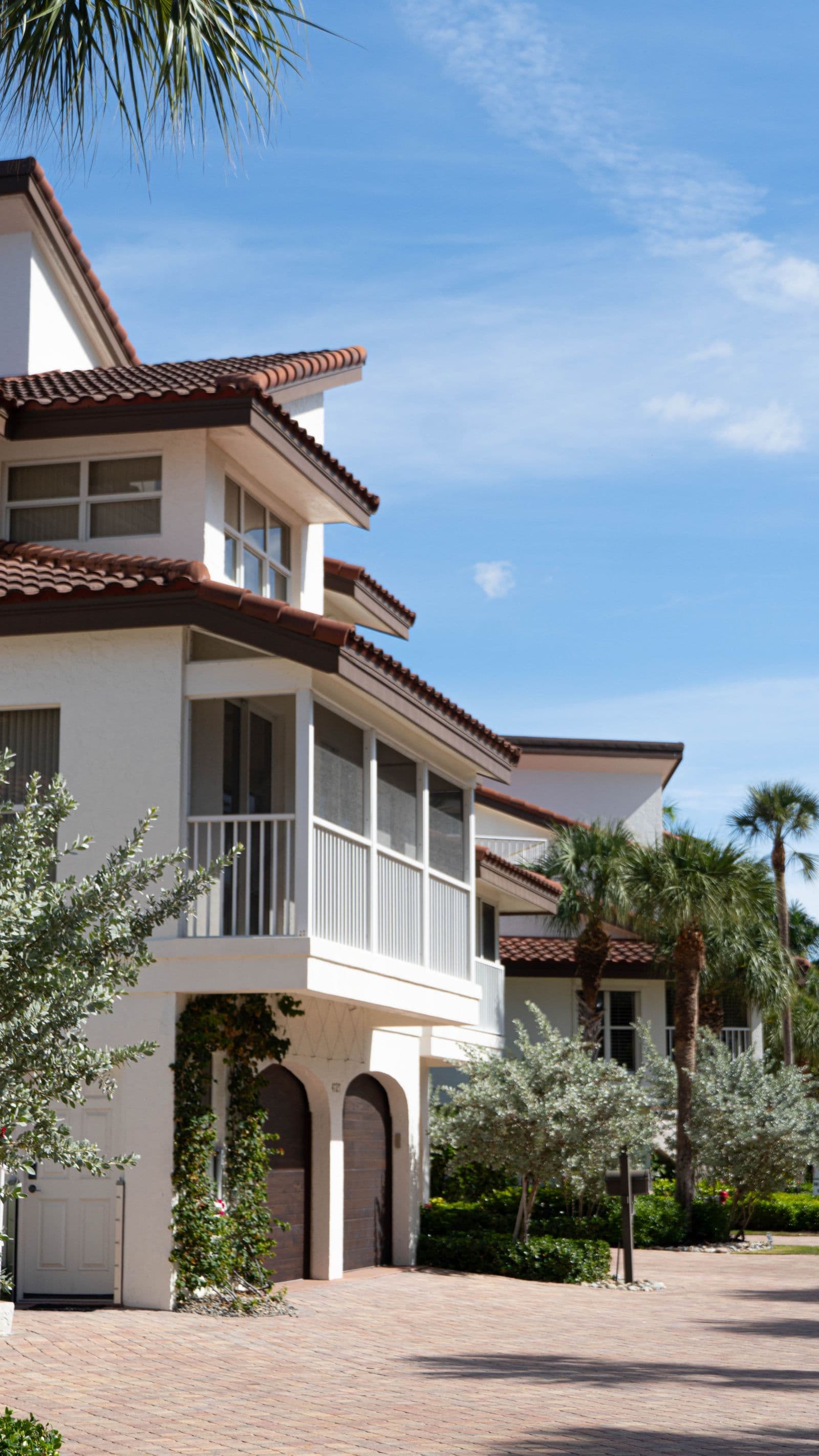
The town takes its name from Frederick deBary, whose 1871 hunting estate — DeBary Hall — still stands as one of the region's best-preserved pieces of old Florida. But the town around it is largely a modern one: most DeBary homes went up from the late twentieth century onward, concrete block and stucco, many with factory-built fireplaces in framed chases rather than full masonry chimneys.
On those systems the wear points are specific: chase covers that pool water and rust, storm collars that loosen, caps that corrode, and refractory panels inside the firebox that crack with heat cycles. All are replaceable components — the trick is catching them before water reaches the framing inside the chase, where damp Florida air makes rot patient and quiet.
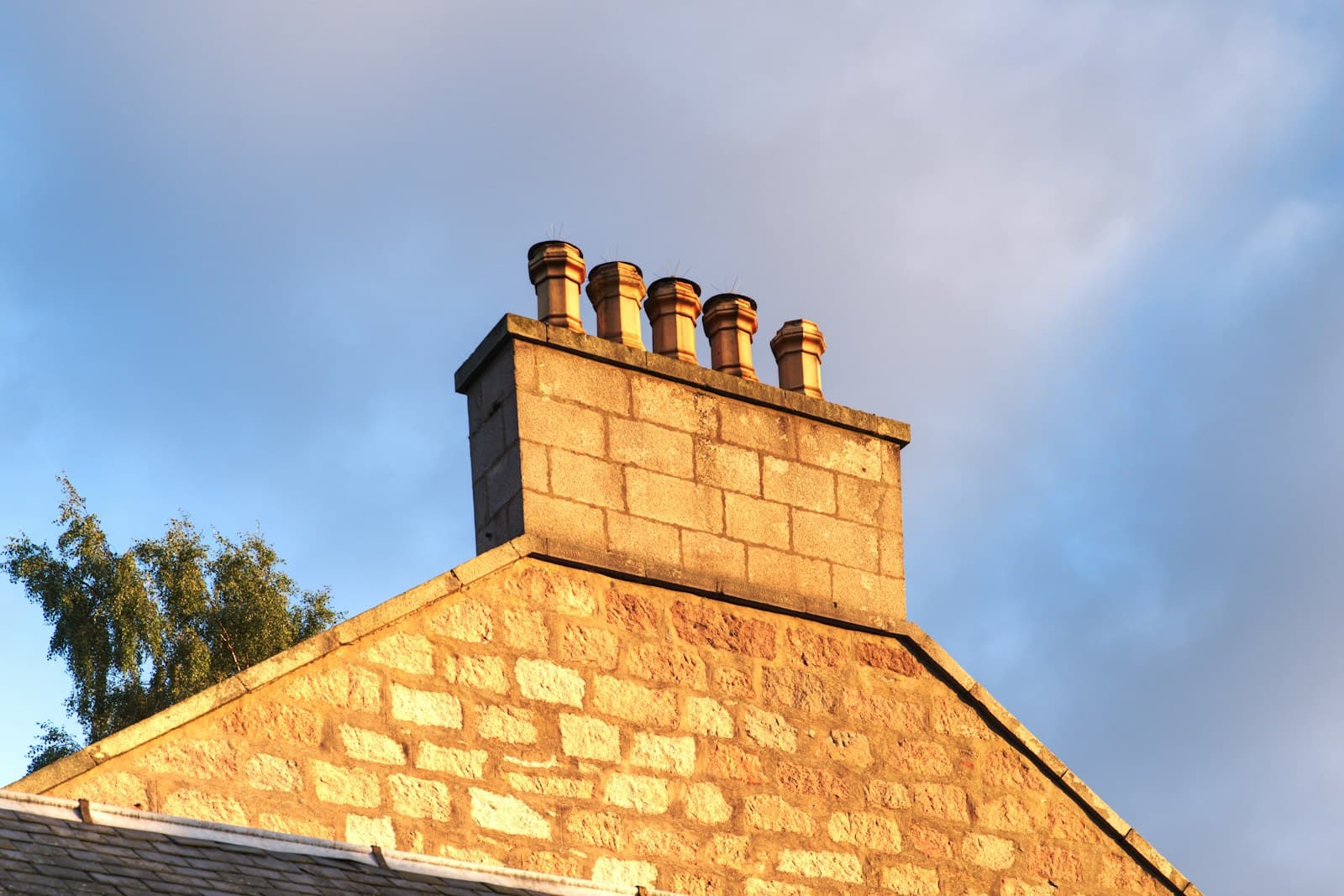
The area's older and custom-built homes do carry true masonry chimneys, and in this humidity they benefit from the classic trio: sound mortar joints, an intact crown, and a breathable water repellent so brick sheds rain instead of holding it.
DeBary has also become a commuter town — its SunRail station links it straight into the Orlando work day — which changes how maintenance actually happens. Nobody here has a weekday to burn waiting on a vague arrival window. That's why we work on real appointment times, with same-day scheduling often available, and put the full scope in writing so decisions don't require a second visit.
Real burn nights mean real soot
Here's what separates DeBary from the beach towns: winter. Inland west Volusia cools off noticeably more than the coast on clear winter nights, and a hard cold snap — the kind that has everyone covering plants — arrives most years. Fireplaces here don't just decorate; plenty of families burn regularly through December, January, and February.
More burning means more residue. Creosote builds with every fire, and NFPA 211 recommends both an annual inspection and cleaning when buildup warrants it. If your DeBary fireplace works most winter weekends, a yearly sweep isn't a nice-to-have — it's the basic maintenance that keeps a working fireplace a safe one.
Firewood habits matter more here than on the coast, too. Wood stored through a Central Florida summer soaks up ambient humidity, and damp wood burns cool and smoky — the exact recipe for faster creosote buildup. Store it off the ground, covered on top but open at the sides, and give it the whole long Florida summer to dry out properly.
Inland winter brings one hazard the coast rarely sees: the freeze. When a cold snap follows a wet spell — a common DeBary sequence — water sitting in masonry cracks and crown gaps freezes and expands, prying small openings into larger ones. It's a slow-motion version of what northern chimneys endure every winter, and it's why a crown crack in river country shouldn't wait for a convenient season to be sealed.
Watch for the signs between visits: smoke that drifts into the room, a sharp tarry smell on humid days, black flakes in the firebox, or a damper that's getting stiff. Any of them is a good reason to have the flue looked at before the next fire.

Summer storms under the oaks
DeBary's summer follows the Central Florida script — heat all morning, thunderstorm most afternoons — and the season runs long. That daily soak-and-bake cycle opens crown cracks and works flashing loose, and the oak canopy adds its own contribution of wind-dropped limbs and debris with every strong cell that rolls through.
Water damage announces itself indoors before you ever see the cause: ceiling stains near the chimney, a musty firebox smell after rain, rust tracks below the damper. The entry point is almost always the crown, the cap or chase cover, or the flashing — and a leak evaluation finds which one before anything gets replaced on a guess. Guessing is how homeowners end up paying for two repairs to stop one leak.
For masonry that's begun absorbing rain, breathable waterproofing in spring puts the chimney ahead of storm season instead of behind it. And if a storm leaves water actively coming in, the 24/7 line reaches a real person any hour.
One under-appreciated DeBary chore: after any storm that drops limbs, glance at the chimney line from the yard. A branch strike that dents a chase cover or knocks a cap askew doesn't always leave debris on the roof as evidence — but it leaves an opening the next storm will find. Thirty seconds of looking up has saved more than one ceiling in oak country.
Straight answers, written down
We're a family-owned Florida company, and the vetted local pros we send to DeBary explain what they found in plain language — what needs fixing now, what can wait, and why. Every recommendation lands in a free written estimate with upfront pricing before any work starts. If something can safely wait a season, the estimate says so; a maintenance plan you can't trust isn't a plan, it's a sales pitch.
The workmanship warranty comes in writing, with the term stated on your estimate. Whether it's a rusted chase cover, a squirrel with strong opinions about your flue, or full chimney repair in DeBary after years of deferred maintenance, you'll get an on-time arrival and honest scope — nothing padded, nothing skipped.
And because DeBary fireplaces actually work for a living each winter, we treat the calendar accordingly: inspections and sweeps in fall before the burn season, leak and masonry work in spring before the storms, and the 24/7 line year-round for the emergencies that don't consult a schedule. A fireplace that earns real use deserves maintenance that keeps real appointments.