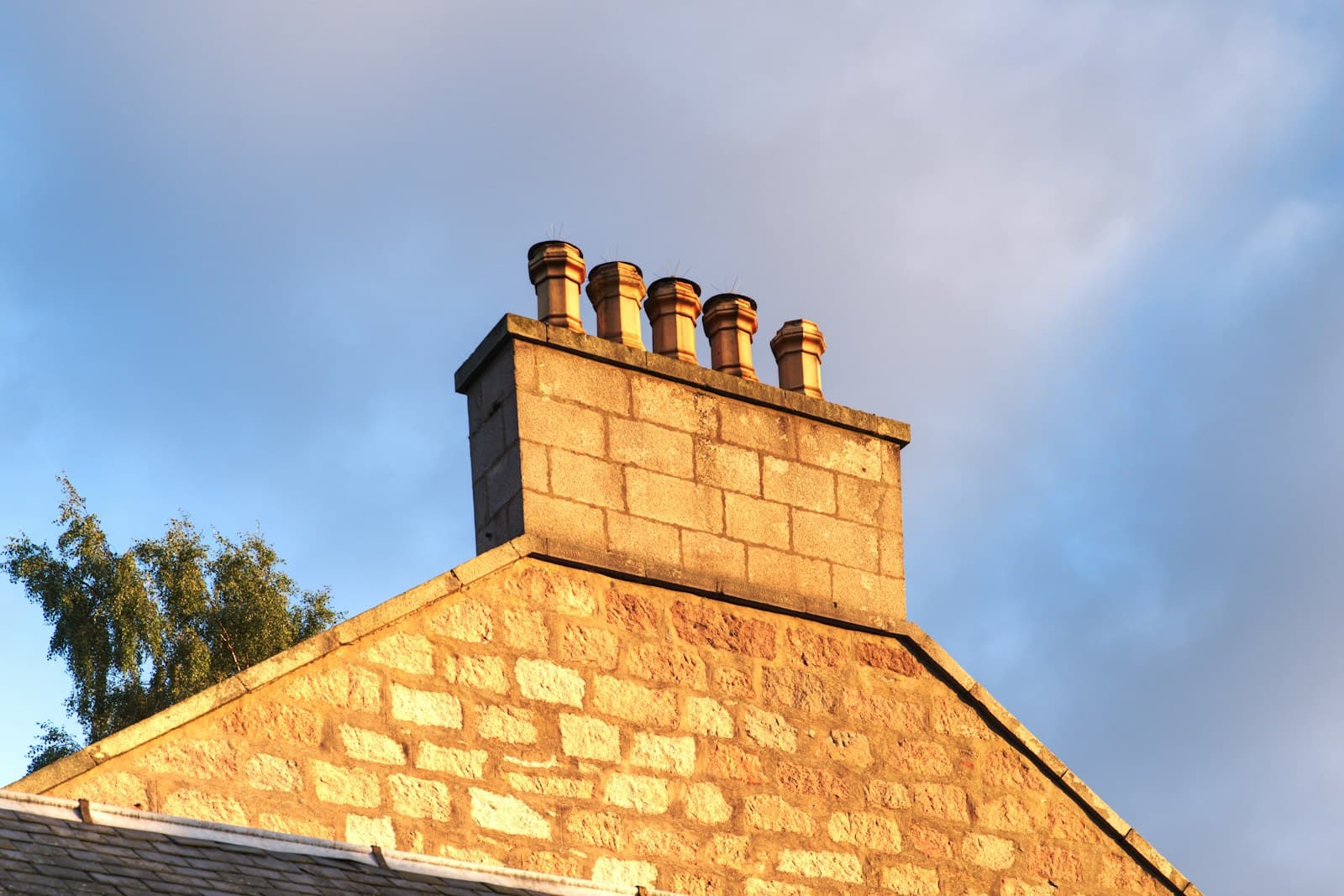
Established streets mean established trees, and much of older Casselberry sits under a genuine canopy. That shade is a blessing in August and a chimney problem year-round: overhanging limbs drop leaves and twigs onto caps and crowns, debris holds moisture against metal and masonry, and branches give squirrels and raccoons a highway to the one warm, sheltered shaft on your roof. Nesting birds find uncapped flues on their own. If you’re hearing scratching, animal removal plus a screened cap helps reduce repeat wildlife entry.
None of this argues against the trees. They’re half the reason the older streets feel the way they do. It argues for a well-fitted screened cap and an occasional look at what the canopy has been dropping. A cap with an intact spark screen keeps embers in and wildlife out; a crown swept clear of leaf litter dries out between storms instead of stewing under a wet mat; and trimming the one limb that overhangs the flue costs less than the string of small repairs it quietly causes. Ten minutes of attention a season, most of it from the ground, is usually all the canopy asks.
Hurricane season runs June through November, and while Casselberry’s inland position spares it the coast’s surge, crossing systems still drag tropical rain bands and long hours of gusty wind over Seminole County, enough to peel a loose cap, work old flashing free, and drive rain into joints that ordinary storms never test. After any system passes near, a two-minute look from the ground is worth the habit: anything shifted, missing, or newly stained deserves professional eyes before the next front. For a chimney fire, suspected carbon monoxide or gas, an unstable chimney, or another immediate danger, leave the area and call 911 or the utility first.