
Proudly American-Owned

Chimney & Fireplace Company in Cape Coral, FL

Hire a chimney repair and fireplace company serving Cape Coral, FL for repair, sweeping, inspection, or installation. Request a free technician estimate visit.

Free Cape Coral Estimate

10% OFFFirst service

Family-Owned

A family-owned company serving Cape Coral properties.

Proudly American-Owned

An American-owned chimney and fireplace company.

Free Estimate Visit

A technician can visit the property and provide a free estimate.

Cape Coral Chimney Repair, Cleaning & Fireplace Service

Cape Coral was drawn on paper before it was built: a late-1950s master plan that turned a Gulf-coast peninsula into the 'Waterfront Wonderland', a grid of canals with more boat docks than fireplaces. But the fireplaces are here, mostly factory-built units tucked into concrete-block homes, and this salt-and-storm climate is genuinely hard on them.

Name the symptom at the Cape Coral address, then open the matching page: chimney repair in Cape Coral, chimney sweeping, inspection, leak repair, cap replacement, crown repair, flashing repair, waterproofing, masonry repair, relining, rebuild, hurricane repair, gas fireplace repair, animal removal, or fireplace repair. The technician estimate visit is free.
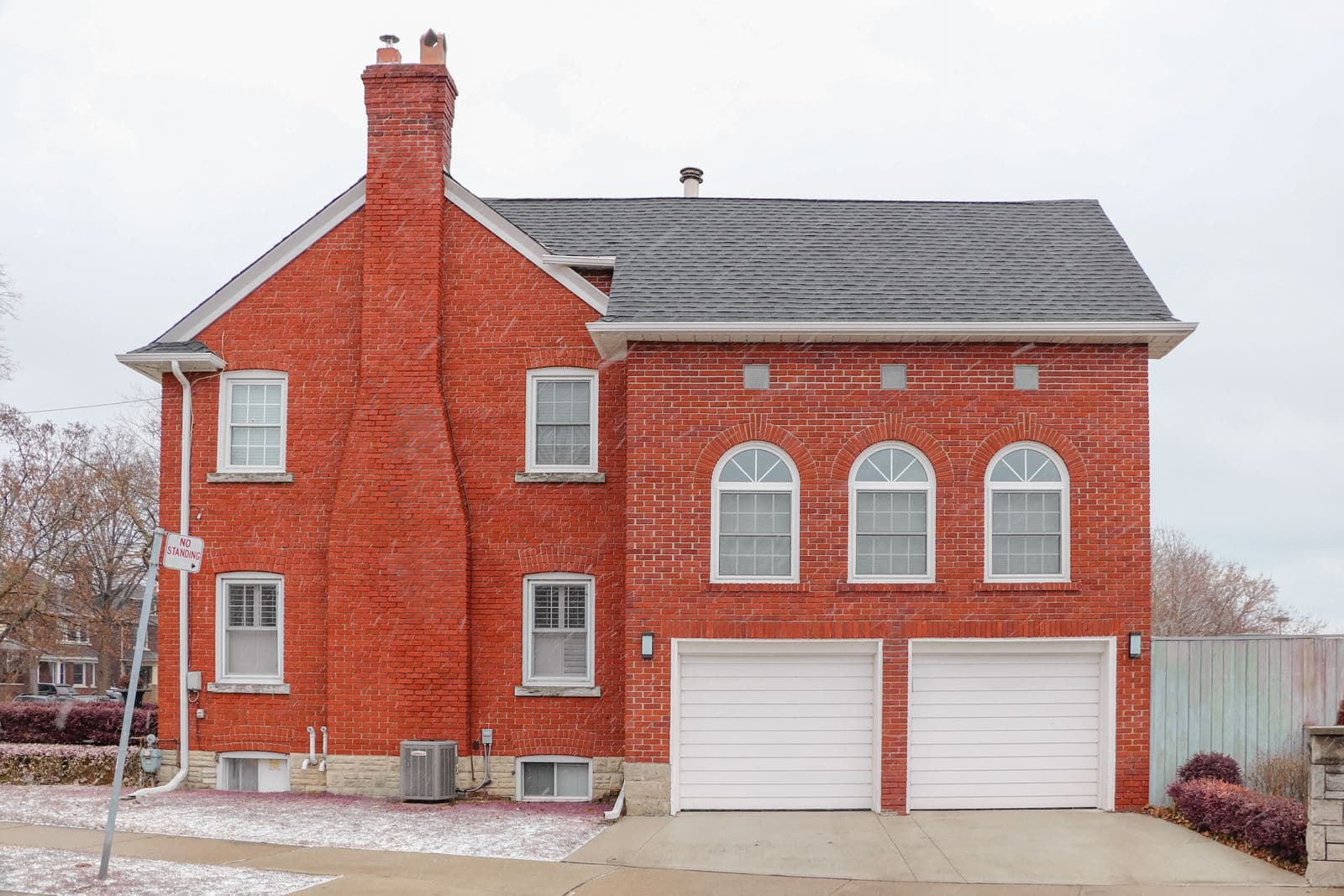
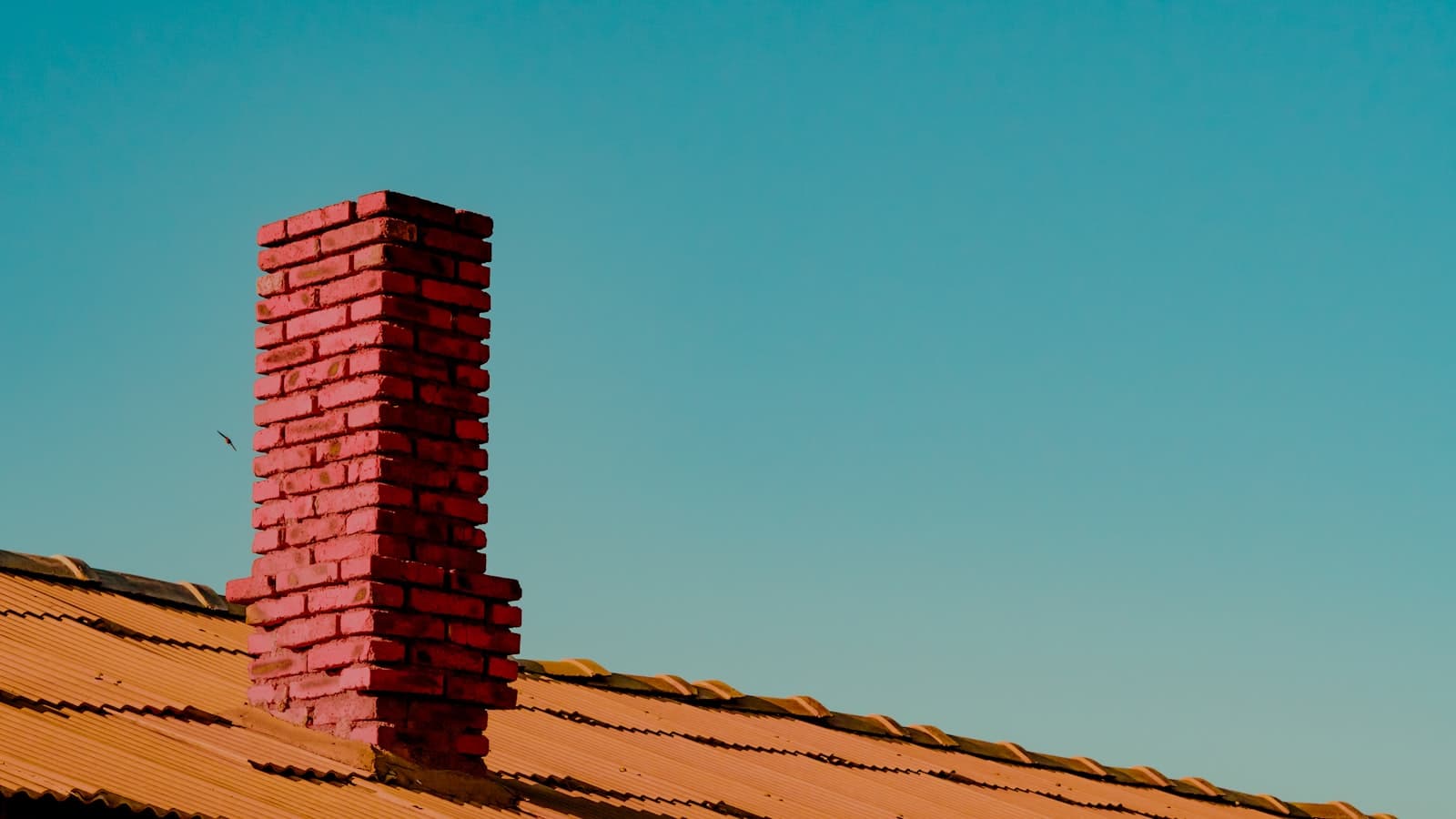
A red brick house with a chimney

What happens next

How chimney and fireplace service works in Cape Coral

The estimate visit is separate from any paid work, so you can review the estimate before deciding.

  1. Tell us what you are seeing

    Call or send the estimate form with the service or concern you want reviewed. Include your property's ZIP code in Cape Coral.

  2. Get a free estimate visit

    A technician can visit the property and provide a free estimate for chimney or fireplace service.

  3. Approve the work before it begins

    Paid work requires a deposit. If you cancel after paying the deposit, the company retains it.

Understanding Cape Coral properties

Why the Waterfront Wonderland is hard on a chimney

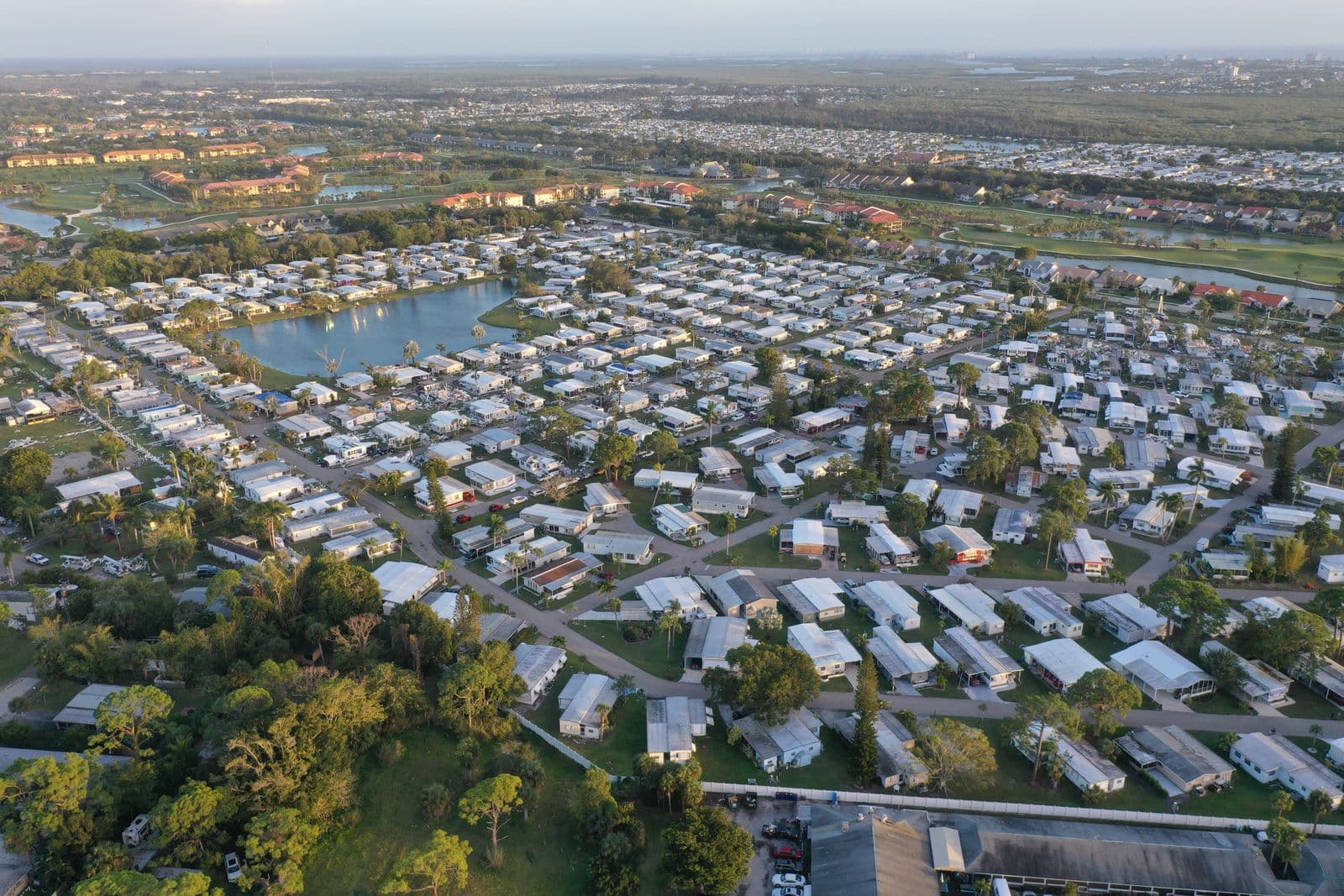
Cape Coral sits on a peninsula with Gulf water pressing in from nearly every side (the Caloosahatchee along one edge, coastal waters on the other), and its famous canal network threads that water through almost every neighborhood. The city is often described as having more miles of navigable canals than anywhere else in the country, and while that's wonderful for boats, it means the air over most of the Cape carries salt. Salt air is quietly corrosive, and the metal parts of a chimney system (the cap, the chase cover, the damper, the firebox components) sit up in that breeze around the clock, whether or not a fire has burned in years.

The pattern local homeowners see again and again is rust doing the slow work: a chase cover that pits, then pinholes, then lets rain straight down into the framing; a chimney cap whose screen and fasteners give way years before they would inland; flashing that loosens at the exact seam where roof meets chimney. None of it announces itself. The first sign is usually a stain on the ceiling near the fireplace, long after the water started getting in.

Layer on Southwest Florida humidity, which barely takes a month off, and you have a climate that attacks chimneys from the outside with salt and rain and from the inside with damp air sitting in the flue. Cape Coral chimney service is less about soot than most of the country and more about corrosion, water, and weather, which changes what a smart inspection actually looks for.

A city built in booms: block homes and factory-built fireplaces

Cape Coral has almost no old housing stock: the city simply didn't exist before the master plan of the late 1950s. The earliest homes went up in the late 1950s and early 1960s, and the rest of the Cape filled in through successive building booms, from the 1970s and 80s straight through the 2000s surge and the new construction still spreading north and west. That history shows in the chimneys: instead of century-old brick stacks, the Cape has mostly factory-built fireplace units housed in framed chases finished with stucco or siding, sitting on concrete-block homes.

Salt exposure can accelerate corrosion of exposed chimney components. Rust staining or pitting is a reason to have the affected cap, cover, or fastener evaluated before choosing a repair. See chimney-cap installation for service information.

There are true masonry chimneys in the Cape too, mostly on larger custom builds, and they face their own version of the climate: stucco and brick that soak up driving rain, crowns that crack under sun and storm cycles, and mortar joints tested sideways by squall-line winds. The point is that 'chimney work' here is mostly sheet-metal-and-sealant precision with occasional real masonry. The chimney type and observed condition should be evaluated before any repair scope or materials are proposed.

Hurricane season on an exposed peninsula

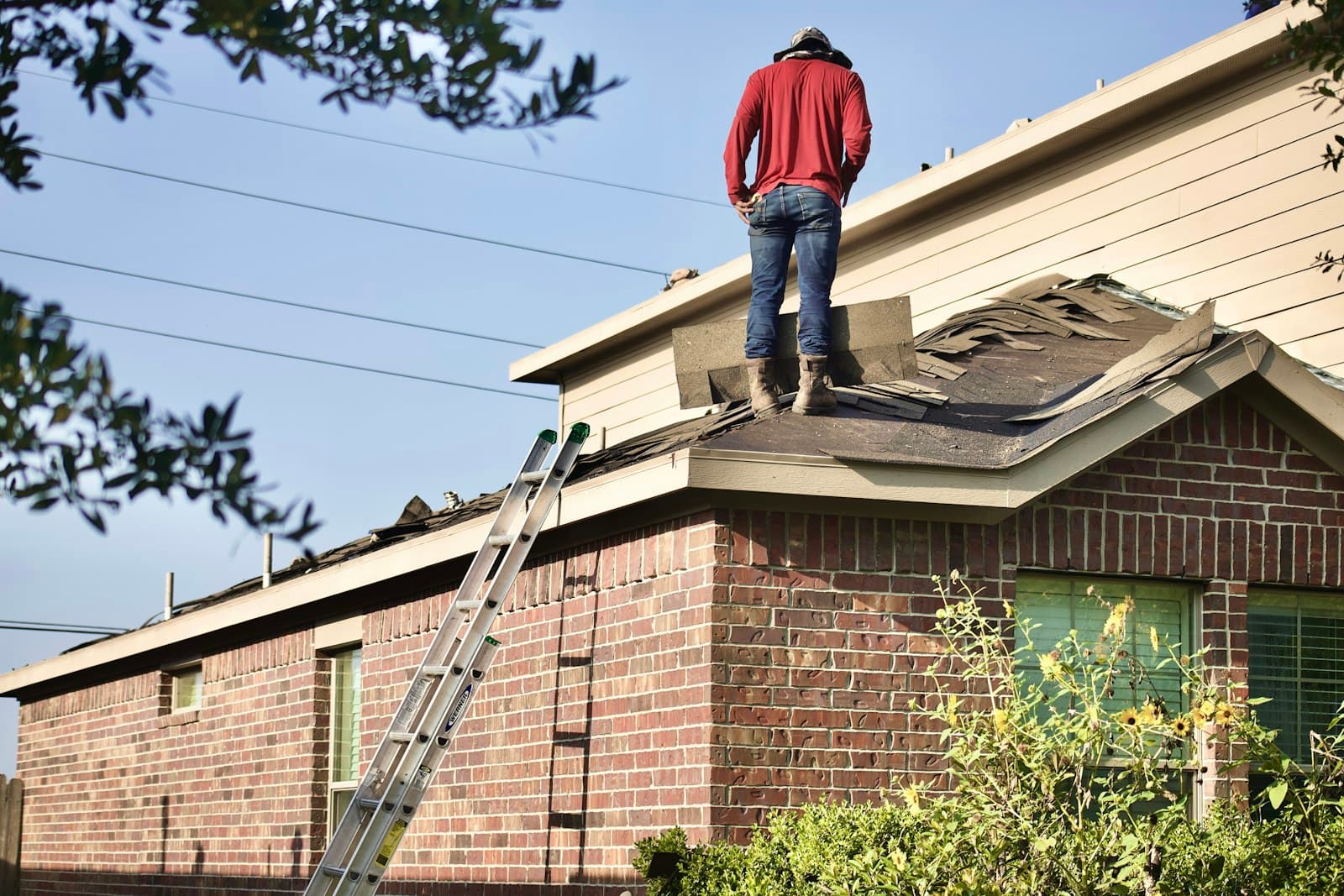
Nobody in Lee County needs a lecture about hurricanes. Charley in 2004 and Ian in 2022 both tore through this corner of the Gulf coast, and Cape Coral sat squarely in harm's way both times. A chimney or fireplace chase is the most exposed structure on the house in a storm like that: wind works on the cap and cover first, then drives rain horizontally into seams, joints, and flashing that ordinary vertical rainfall never tests.

The tricky part is that storm damage to a chimney is often invisible from the ground and slow to show itself. A cover shifted an inch, a cap missing its screen, flashing lifted just enough to break its seal. These let water in gradually, and the ceiling stain or musty smell might not appear until weeks after the storm has passed. Chimney leak repair here starts with finding the true entry point, because sealing the wrong spot doesn't stop the water, it just reroutes it into a different part of the house.

The off-season is the hard season: humidity, odors, and uninvited guests

A Cape Coral fireplace might burn a dozen evenings a year: a few cool snaps in December through February when overnight temperatures dip enough to make a fire worth lighting. The other eleven months, the system sits idle in some of the most humid air in the country. Moist, salt-tinged air settles into the flue and holds against soot and metal, which is where the classic July complaint comes from: a musty, smoky 'fireplace smell' in a fireplace nobody has touched since winter. It's also how dampers and firebox parts corrode shut without anyone noticing.

An idle flue is also prime real estate. Raccoons, squirrels, and birds treat an uncapped or screen-damaged chimney as a ready-made den, and Southwest Florida's wildlife takes full advantage. Nesting material on top of a damper is both a blockage and a fire risk. Animal removal handles the current tenants, and a properly screened cap helps deter repeat wildlife entry.

Fall can be a practical time to request a chimney sweep or service visit before the first cool evening. The service needed depends on the deposits, nesting, corrosion, or other condition found at the property.

Talk with our team

Need chimney and fireplace service in Cape Coral?

Tell us what you are seeing and include your property's ZIP code. We will use those details to understand the service request.

Frequently Asked

Chimney, Fireplace & Estimate Questions in Cape Coral

Do Cape Coral homes really need chimney service if we barely use the fireplace?
Light use does not eliminate salt-air corrosion, storm-driven water, humid-air odors, or animal nesting. Rust, stains, odors, scratching, or trouble operating the damper are reasons to request service before the fireplace is used again.
How does salt air affect chimneys in Cape Coral?
With canals throughout the city and the Gulf nearby, salt exposure can accelerate chimney-metal corrosion. Chase covers may pit, cap screens and fasteners can deteriorate, and dampers may become difficult to operate. A technician needs to evaluate the specific component before recommending a repair.
What should I check after a hurricane or tropical storm passes near Cape Coral?
From the ground, look for a missing or tilted cap, a shifted chase cover, lifted flashing, fresh rust streaks, or new ceiling stains near the chimney. Do not climb onto the roof; request a technician visit if anything changed.
Why does my Cape Coral fireplace smell musty in summer?
Summer humidity can pull odors from soot and residue in an idle flue, while water entry can add a damp smell. A technician can visit for a free estimate and evaluate the concern before a service is recommended.
What do chimney repairs in Cape Coral usually cost?
Cost depends on whether the concern involves a cap, chase cover, flashing, firebox, or another component, along with roof access and the condition found. A Cape Coral technician can provide a free estimate. If you cancel after paying the deposit, the company keeps it.

Ready to schedule chimney service in Cape Coral?

Tell us what you are seeing, include your property's ZIP code, and call to request a technician estimate visit.