Proudly American-Owned

Chimney & Fireplace Company in Apopka, FL

Compare chimney repair and fireplace service options for your Apopka property with a technician at a free estimate visit.

Free Apopka Estimate

10% OFFFirst service

Family-Owned

A family-owned company serving Apopka properties.

Proudly American-Owned

An American-owned chimney and fireplace company.

Free Estimate Visit

A technician can visit the property and provide a free estimate.

Hire Chimney & Fireplace Specialists Serving Apopka, FL

Apopka earned its 'Indoor Foliage Capital of the World' nickname growing houseplants in greenhouses: a whole town organized around managing Central Florida's heat, humidity, and violent afternoon storms. Your chimney lives in that same climate, minus the greenhouse.

Name the symptom at the Apopka address, then open the matching page: chimney repair in Apopka, chimney sweeping, inspection, leak repair, cap replacement, crown repair, flashing repair, waterproofing, masonry repair, relining, rebuild, hurricane repair, gas fireplace repair, animal removal, or fireplace repair. The technician estimate visit is free.

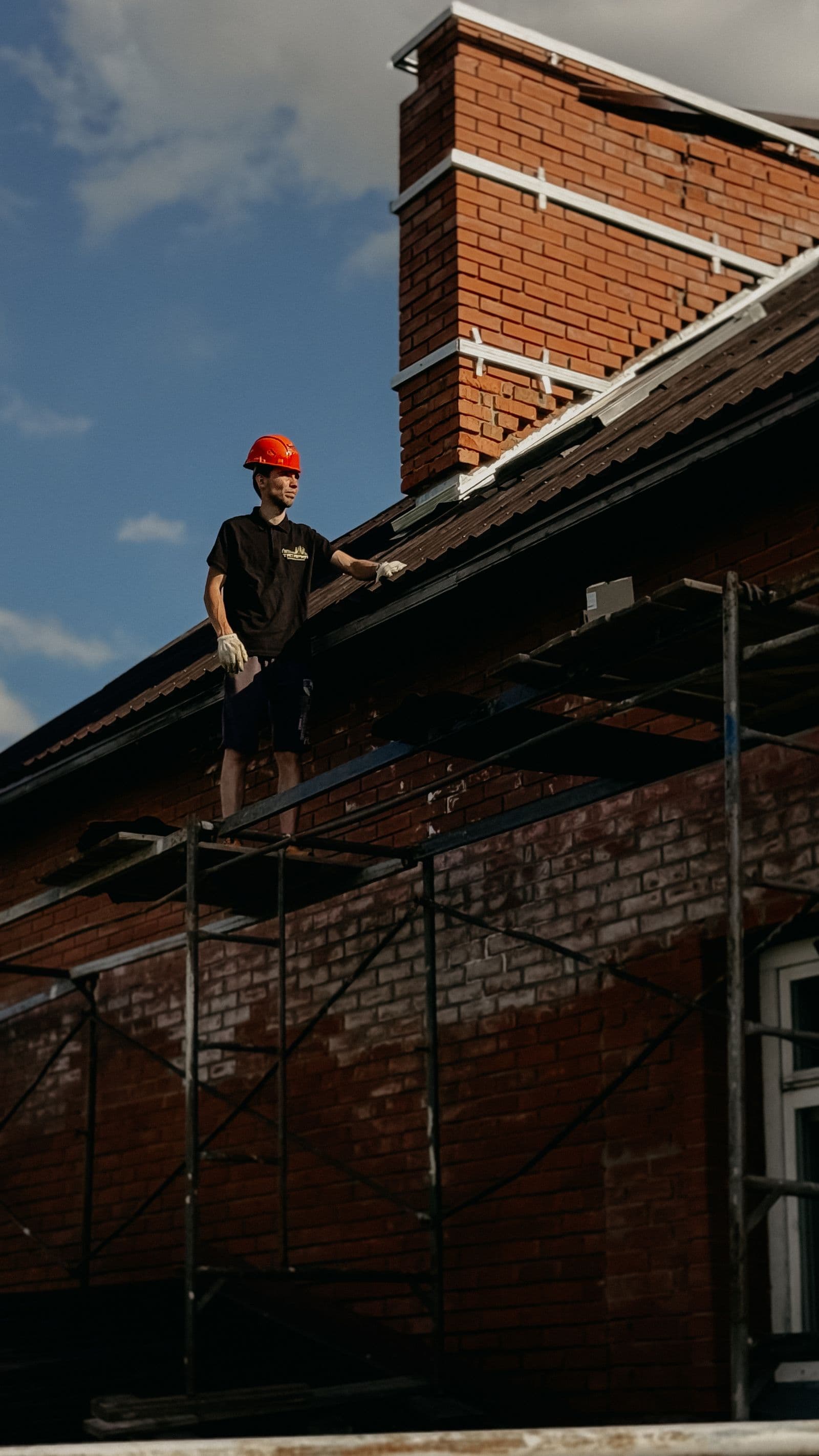
A worker in a hard hat on scaffolding beside a brick house with a tall brick chimney

What happens next

How chimney and fireplace service works in Apopka

The estimate visit is separate from any paid work, so you can review the estimate before deciding.

  1. Tell us what you are seeing

    Call or send the estimate form with the service or concern you want reviewed. Include your property's ZIP code in Apopka.

  2. Get a free estimate visit

    A technician can visit the property and provide a free estimate for chimney or fireplace service.

  3. Approve the work before it begins

    Paid work requires a deposit. If you cancel after paying the deposit, the company retains it.

Understanding Apopka properties

What Apopka’s climate actually does to a chimney

Northwest Orange County sits squarely in Central Florida's lightning alley, the stretch of the peninsula where sea breezes from both coasts collide most afternoons in summer and set off some of the most electrically active weather in the country. From June into September, Apopka gets its rain in violent hourly doses: a dark wall builds over the lake country to the west, and twenty minutes later the gutters are roaring. Your chimney is the highest, most exposed thing on the house, and it takes every one of those storms directly: wind-driven rain against the crown, water sheeting down the stack, and the occasional strike close enough to rattle the windows.

A separately scoped chimney inspection may evaluate the flue and relevant components. A technician can visit the property and give a free estimate.

Winter is the mild season, but it isn't a non-season. Inland Orange County cools off more at night than the coasts do, and a few real cold snaps roll through most winters: nights in the 30s and 40s when fireplaces across Apopka light up after months of sitting idle. That first-fire moment is when every problem the wet season created announces itself at once, which is why the smart order of operations is a checkup in fall, not a surprise in January.

Two kinds of Apopka houses, two kinds of chimney work

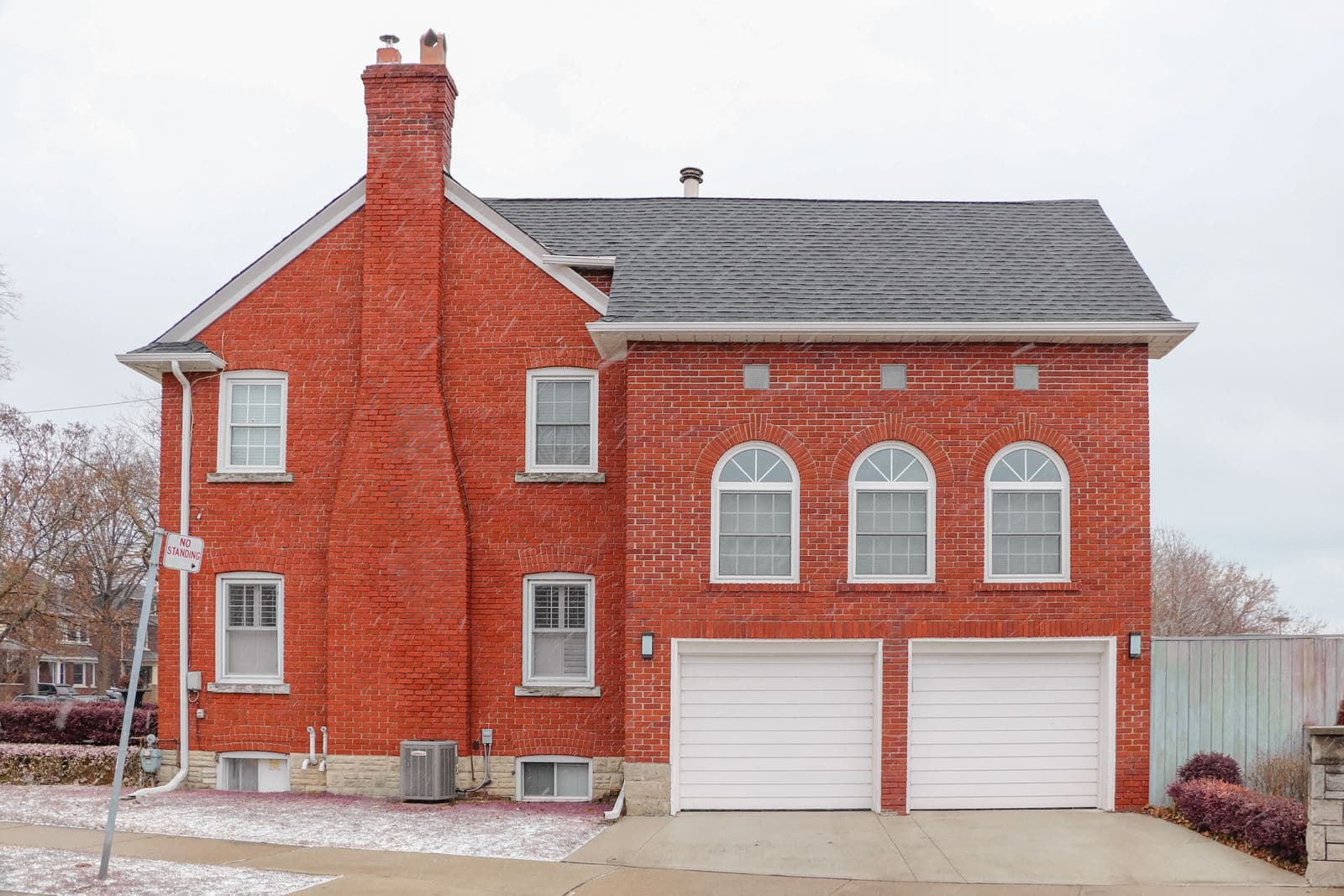
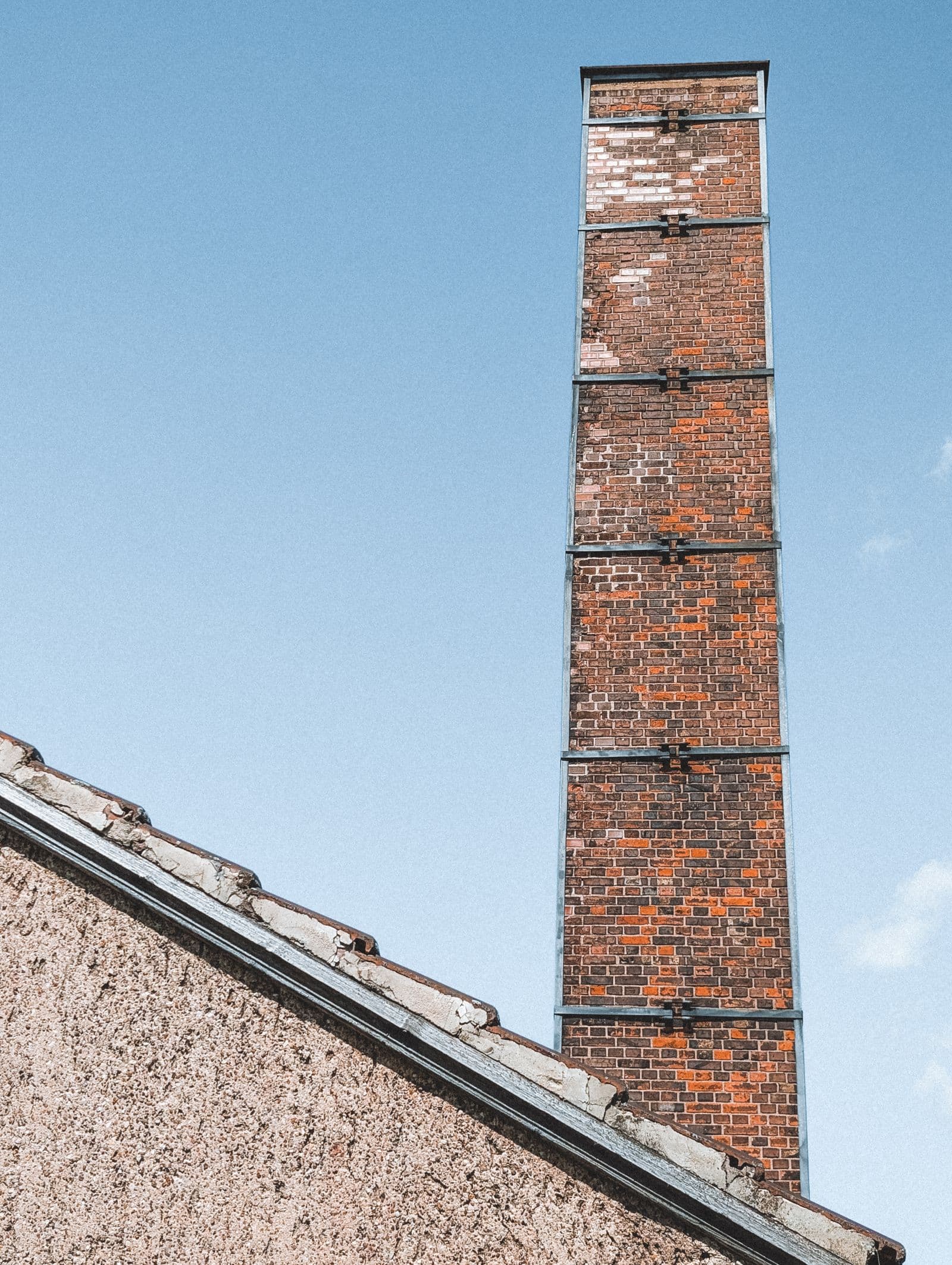
Apopka has an older core (the established streets around downtown and the long-standing homes that predate the region's growth boom), and much of that older housing carries genuine masonry chimneys. Brick and mortar in this climate fight a constant battle with water: mortar joints erode under decades of storm seasons, crowns develop hairline cracks that drink rain, and bare brick absorbs more water than most homeowners would believe. Older stacks here need real masonry work: repointing eroded joints, crown repair before small cracks become structural ones, and breathable waterproofing that sheds rain while letting the brick dry out between storms.

The larger share of Apopka, though, is newer. The city has grown fast as the Orlando area pushed northwest, and much of the housing stock is concrete-block construction from recent decades, with factory-built fireplaces housed in framed, sided chases rather than true masonry stacks. These systems have a different set of weak points: chase covers that pond water and rust through, caps that go missing or were undersized from day one, and storm-driven rain finding the seam at the chase top. A correctly fitted chimney cap and a sound chase cover may address common cap- and cover-related water-entry paths when those components are the source. They're small parts with outsized consequences when they fail.

The practical upshot: 'chimney repair' in Apopka means very different work depending on your street. The chimney type and observed condition should be evaluated before any repair scope or materials are proposed.

Leak season: where the water actually gets in

The most common chimney call in this part of Florida isn't about fire at all. It's about water. And the frustrating thing about chimney leaks is that they almost never announce themselves at the chimney. The evidence shows up as a ceiling stain a few feet from the fireplace, paint bubbling in a corner, or a damp smell in a room nobody uses. By the time the stain appears, water has usually been finding its way in for a while.

There are only a handful of entry points, but telling them apart matters. A cracked crown lets water into the top of the structure. Tired flashing, the metal seam where chimney meets roof, lets it into the ceiling. A missing cap lets rain fall straight down the flue. And saturated masonry simply soaks it up through the brick face. Proper chimney leak repair starts with finding the actual entry point, because sealing the wrong spot doesn't stop the water. It just reroutes it somewhere you'll discover later.

Hurricane season adds its own layer from June through November. Apopka's inland position spares it storm surge, but tropical systems crossing the peninsula still drag rain bands and gusting wind over northwest Orange County, enough to strip a loose cap, peel back flashing that was already tired, and drive rain sideways into joints that vertical summer storms never test. After any system passes close, a two-minute look at the stack from the ground (anything shifted, missing, or newly stained) is a habit worth keeping, and anything that looks wrong deserves professional eyes before the next front.

Idle flues, open country, and uninvited guests

An Apopka fireplace spends most of the year doing nothing, and an idle flue is an invitation. This corner of Orange County still borders real green space: lake country to the west, the springs and conservation land to the north, and plenty of mature trees through the established neighborhoods. Squirrels, raccoons, and nesting birds treat an uncapped flue as a ready-made den, and chimney swifts (a protected species) will happily colonize one through the warm months. Nesting material stacked in a flue is both a blockage and kindling sitting directly in the path of your first winter fire.

The fix comes in two parts. Chimney animal removal clears whatever has moved in (humanely, and with the timing rules around protected birds respected), and a properly fitted cap with animal screening keeps the flue closed to wildlife while staying open to draft. If your chimney has been capless through even one Apopka spring, assume something has at least scouted it.

This is also the argument for the fall chimney sweep even in a mild-winter town: it isn't only about creosote from last season's fires. A sweep clears nesting debris, confirms the damper still moves, and verifies the flue is actually open and ready, so the first cold snap of December is a pleasure instead of a smoke-filled living room.

Straightforward chimney help in Apopka

NFPA 211, the fire-safety standard for chimneys and fireplaces, recommends an annual inspection even for lightly used systems, and Apopka's combination of brutal wet summers and light winter use is precisely the pattern that guidance was written for: long idle stretches where moisture and wildlife do their quiet work, followed by sudden use on the first cold night. For a chimney fire, suspected carbon monoxide or gas, an unstable chimney, or another immediate danger, leave the area and call 911 or the utility first.

A technician can visit the property and give a free estimate.

Talk with our team

Need chimney and fireplace service in Apopka?

Tell us what you are seeing and include your property's ZIP code. We will use those details to understand the service request.

Frequently Asked

Questions Apopka Homeowners Ask About Chimney & Fireplace Service

How often should an Apopka fireplace be inspected or swept?
NFPA 211 guidance is an inspection every year, with sweeping whenever deposits or debris warrant it. Apopka fireplaces burn lightly, but the flue spends nine humid months collecting moisture, odors, and sometimes nesting animals, so the annual check matters even in a mild-winter town. The smart timing is fall, before the first cold snap fills every schedule in Orange County.
Why does my Apopka chimney leak when we barely use the fireplace?
Because leaks are a water problem, not a fire problem. Central Florida's afternoon storms hammer the most exposed structure on your house all summer, and water finds its way in through a cracked crown, tired flashing, a missing cap, or saturated brick. Usage has nothing to do with it. The fix is finding the actual entry point and sealing that, not the spot nearest the stain.
My Apopka home has a prefab fireplace in a sided chase. What goes wrong with those?
Usually the metal, not the firebox. Chase covers pond water and rust through, caps go missing in storms, and rain works into the seam at the chase top, then shows up as ceiling stains or a rusted damper. A correctly fitted cap and a sound, properly pitched chase cover help reduce common cap- and cover-related water entry. A technician can visit the property and give a free estimate.
Do animals really get into chimneys around Apopka?
Regularly. Northwest Orange County borders lake country and conservation land, and an uncapped flue reads as a ready-made den to squirrels, raccoons, and nesting birds, including chimney swifts, which are protected and can't simply be evicted mid-season. Humane removal plus a screened cap helps reduce repeat wildlife entry. If your flue has been uncapped through a spring, it's worth a look.
What do chimney repairs in Apopka usually cost?
Honest answer: it depends on which part of the chimney failed, and that is not something anyone can tell you over the phone. A cap swap and a crown that has to be re-cast are different jobs on the same chimney. What moves the number is roof access and stack height, the materials appropriate to the chimney and its exposure, how far the failure has already run, and whether several items can share one visit instead of three separate trips. A technician can visit the property and give a free estimate. Every approved paid job requires a deposit. If you cancel after paying the deposit, the company keeps it.

Ready to schedule chimney service in Apopka?

Tell us what you are seeing, include your property's ZIP code, and call to request a technician estimate visit.