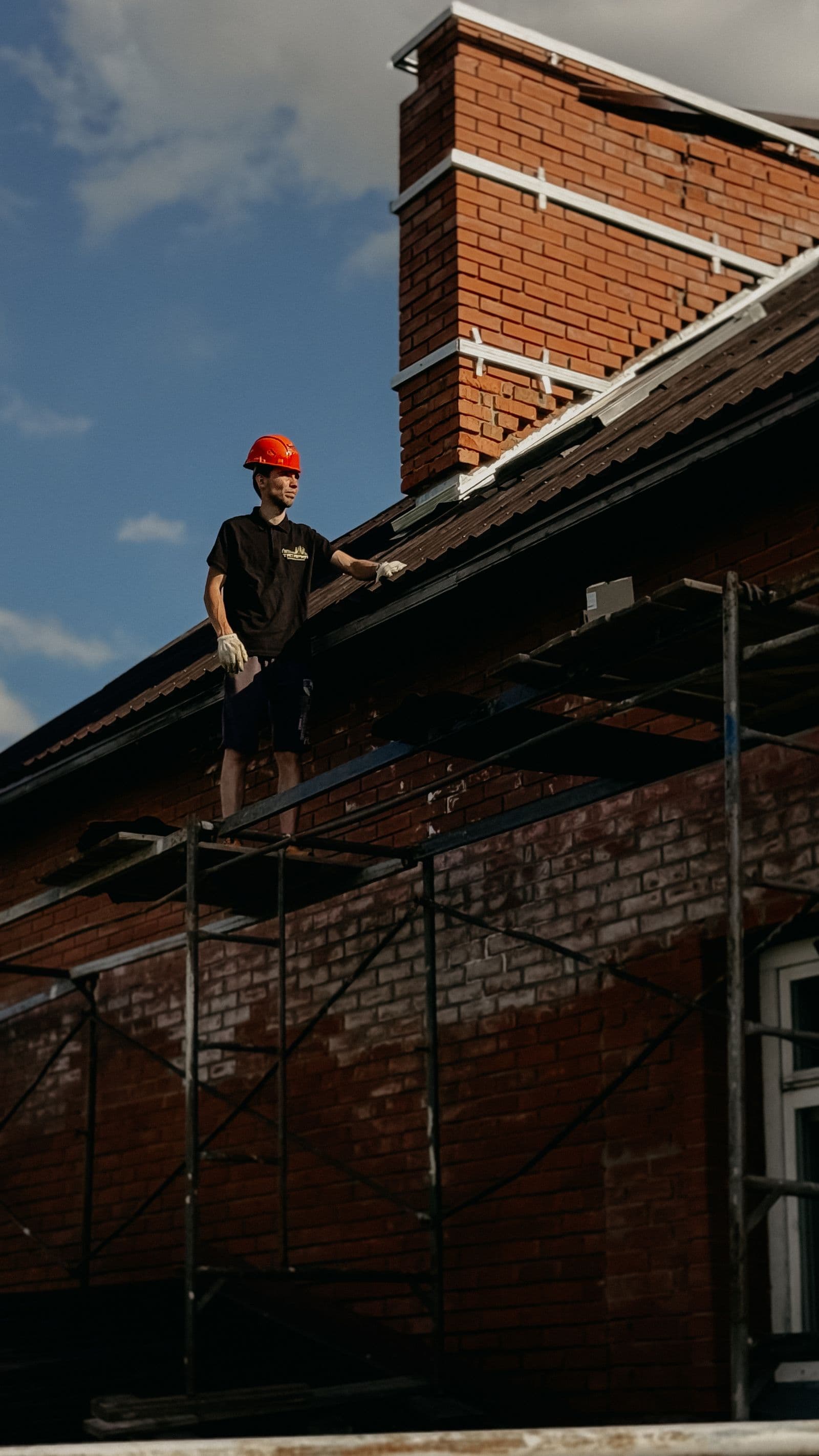
Your Polk County chimney & fireplace team in Winter Haven
Winter Haven is a Chain-of-Lakes city in Polk County, part of Central Florida. That location is the single biggest factor in how chimneys age here — the local climate drives how quickly masonry, mortar, caps, and liners wear, and it matters more than the chimney itself when scoping any Winter Haven repair, sweep, or rebuild.
As an inland Polk County community, Winter Haven trades salt air for humidity and heavy seasonal storms — the two forces that keep masonry damp, open mortar joints, and turn small crown cracks into leaks. Work here leads with water management: crown, flashing, joints, and breathable waterproofing. Chimney Repair Service is the chimney company near me that Winter Haven homeowners book for all the right reasons: a vetted local pro who knows the Winter Haven climate, free estimates before any tool comes out, climate-appropriate materials, and a workmanship warranty in writing. The local pro comes to you.
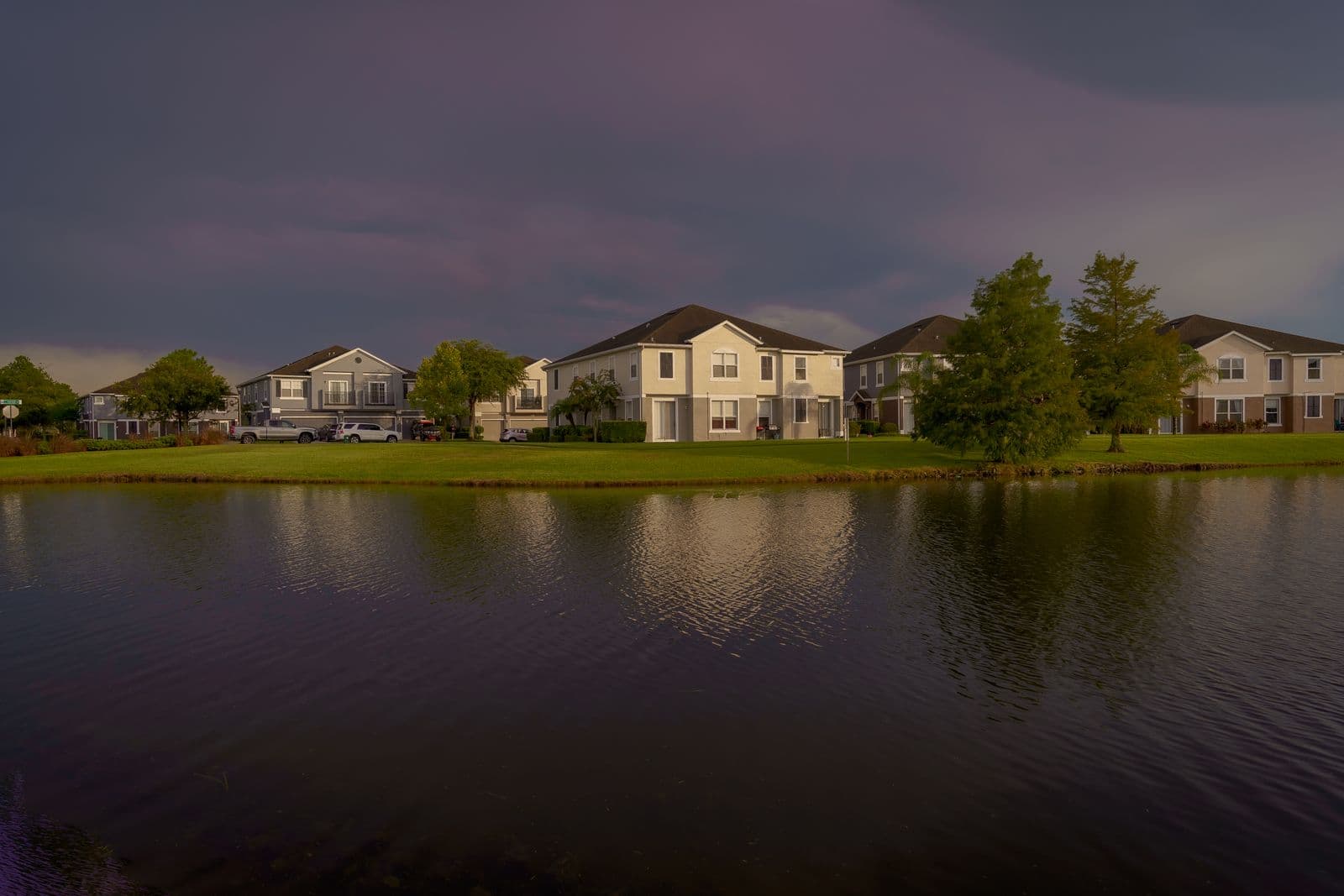
Winter Haven is built around water — the Chain of Lakes stitches the town together canal by canal, and lakefront living has shaped its homes from 1920s bungalows near downtown to brand-new subdivisions on the edges. All that water is lovely for boats and hard on chimneys.
Life on the Chain of Lakes
Few Florida towns are as defined by their water as Winter Haven. Dozens of lakes dot the city, and the famous Chain of Lakes links many of them with navigable canals — it's a town where the boat parade is a calendar event and 'lakefront' describes a meaningful share of the housing stock. For chimneys, all that open water means one thing above all: humidity that never quits. Air moving off the lakes keeps masonry damp, mornings misty, and drying-out time short, even by Florida standards.
Persistently damp masonry ages differently. Brick that stays moist grows mildew shadows on its shaded face, mortar joints soften sooner, and the white crusty staining called efflorescence — minerals carried to the surface by water moving through the brick — shows up on lakefront chimneys as a telltale that water is traveling where it shouldn't. None of it is cause for panic; all of it is the lake air writing progress notes on your masonry.
There's a scheduling silver lining to all this water: Florida's dry season. From roughly October through May, Winter Haven's rain machine idles, and that's the window when masonry work performs best — repellents and crown coatings bond properly on dry brick, mortar cures without daily soakings, and leak testing gives honest answers. The homeowners who fare best on the Chain treat the dry months as chimney season and the wet months as the exam their chimney either passes or doesn't. It's the cheapest scheduling advice in this trade, and the most ignored.
An old core and fast new edges
Winter Haven has real history for a Central Florida town. The blocks around downtown and the older lakes carry homes from the 1920s boom years, built when the city was becoming a citrus capital — and later the home of Cypress Gardens, Florida's original theme park, whose lakeside site now hosts Legoland. Those older homes often carry genuine brick chimneys with the craftsmanship and the vulnerabilities of their era: soft lime mortar, aging clay flue tiles, crowns poured a lifetime ago.
Around that core, Winter Haven is growing quickly — concrete-block subdivisions filling in between the lakes, most with factory-built fireplaces in framed chases rather than masonry. Their weak points are modern ones: builder-grade chase covers that rust, caps that go missing in storms, sealant joints that give out in the sun. Two housing generations, two different maintenance playbooks — and both answer to the same lake-country moisture.
For the older stock, the priorities are careful repointing with compatible mortar and keeping water out of century-old brick; for the newer, it's sound metal up top and honest checks of components with defined lifespans. A local pro who works both knows which conversation your house needs. Either way, it starts with eyes on the chimney — ideally before the rain, not after it.
The growth wave has a maintenance meaning of its own: thousands of Winter Haven fireplaces are now quietly aging out of their builder-grade first decade. Chase covers, caps, and sealant joints installed when a subdivision was new tend to reach the end of their comfortable life together, street by street — so if your neighbors have started finding rust streaks and mystery stains, consider it the neighborhood's way of suggesting a check. It's cheaper to be early than soaked.

Moisture, leaks, and the lakefront pattern
The leak calendar in Winter Haven is set by the summer storm machine: from June to September, an afternoon downpour most days, often wind-driven off the lakes. Water gets into chimneys through a short list of doors — a cracked crown, tired flashing at the roofline, a missing cap, or brick so saturated it wicks water inward. Because the water travels along framing before surfacing, the ceiling stain usually appears somewhere misleading, and the roof takes the blame first.
That's why chimney leak repair here starts with diagnosis: testing crown, cap, flashing, and masonry until the actual entry point is found, then fixing that — not caulking the nearest suspicious spot and hoping. On the Chain of Lakes, where masonry rarely gets a true dry-out, guessing wrong means the problem simply reappears with the next storm cycle.
Prevention is worth more in lake country than almost anywhere: a breathable water repellent sheds storm rain while letting damp brick exhale, a sound crown closes the top, and a proper cap keeps the flue dry. That trio — waterproofing, crown, cap — is the standing defense for a Winter Haven chimney, and it typically holds for years once done right.
Storm season in the middle of the peninsula
Inland doesn't mean immune. Hurricanes that cross the Florida peninsula run right through Polk County, and Winter Haven has taken the winds of storms arriving from either coast. On a chimney, that translates to lifted chase covers, caps torn loose, flashing peeled at the edge, and — on older masonry — mortar joints that were marginal before the storm and open after it. Most of that damage isn't visible from the ground, and it leaks quietly until someone looks.
This corridor is also part of Florida's lightning belt, among the most strike-prone regions in the country, and the chimney is frequently the tallest thing on the house. After a very close strike, cracks in the crown or blown mortar deserve a check even if nothing fell. A post-storm once-over is quick; if something is actively letting water in or the stack has shifted, the 24/7 emergency line exists for exactly that call.
The post-storm habit worth keeping: from the yard, confirm the cap is present and straight, the stack shows no new lean, and nothing is freshly stained or scattered on the roof around it. Most storm damage we find in Polk County was visible from the ground for weeks before anyone looked up. Two minutes after each big blow, and the odds of a quiet leak surviving until it reaches your ceiling drop dramatically.
A short burn season, a year-round chimney
Winter Haven fireplaces earn their keep a few dozen evenings a year at most — December-to-February cold snaps, then ten months of humid rest. The idle stretch is when trouble brews: lake-air condensation mixing with old creosote into musty summer odors, dampers stiffening, wildlife scouting uncapped flues. NFPA 211 recommends an annual inspection regardless of how lightly you burn, and this climate is the argument for it. The comfortable rhythm is a fall sweep and inspection, before the first front reminds everyone the fireplace exists.
We're a family-owned Florida company, and the vetted local pros we send to Polk County show up on time and give straight answers — what needs fixing, what can wait, what it costs, in writing. Free written estimate, upfront pricing, workmanship warranty in writing with the term on your estimate, same-day scheduling often available. For chimney repair in Winter Haven — lakefront bungalow or brand-new block — a real person answers the phone, 24/7 for active emergencies.
A visit is simple: a vetted local pro checks the system top to bottom, explains findings in plain English, and leaves a written estimate with honest, upfront prices — what's urgent, what's optional, what's fine as it is. Most calls end small. All of them end with you knowing exactly where your chimney stands before the next storm season starts asking questions. Book the estimate in the dry season, and the whole year gets easier.