

Proudly American
Chimney Service · Temple Terrace, FL

Local Chimney & Fireplace Pros Serving Temple Terrace, FL

Chimney sweep, inspection, repair, and rebuild for Temple Terrace, FL — Hillsborough County community in the Tampa Bay area. Same-day service, free estimate, no payment upfront.

Local Chimney & Fireplace Pros Serving Temple Terrace, FL
Family-OwnedFree EstimatesUpfront PricingSame-Day

Free Temple Terrace Estimate

Takes about 30 seconds.

Your Hillsborough County chimney & fireplace team in Temple Terrace

Temple Terrace is a Hillsborough County community in the Tampa Bay area, part of the Tampa Bay area. That location is the single biggest factor in how chimneys age here — the local climate drives how quickly masonry, mortar, caps, and liners wear, and it matters more than the chimney itself when scoping any Temple Terrace repair, sweep, or rebuild.

As an inland Hillsborough County community, Temple Terrace trades salt air for humidity and heavy seasonal storms — the two forces that keep masonry damp, open mortar joints, and turn small crown cracks into leaks. Work here leads with water management: crown, flashing, joints, and breathable waterproofing. Chimney Repair Service is the chimney company near me that Temple Terrace homeowners book for all the right reasons: a vetted local pro who knows the Temple Terrace climate, free estimates before any tool comes out, climate-appropriate materials, and a workmanship warranty in writing. The local pro comes to you.

Temple Terrace began in the 1920s as one of Florida's first planned golf-course communities, then filled in with mid-century homes under a canopy of grand oaks along the Hillsborough River. Those decades-old chimneys are solid — and they've earned some attention.

A 1920s river town with a mid-century heart

Temple Terrace is one of those rare Florida places with a real founding story: laid out in the 1920s around a golf course, named for the Temple orange grown here in the boom years, and shaped by Mediterranean Revival architecture from the start. The town kept its own identity even as Tampa grew up around it — riverfront, tree canopy, and all — and it remains its own city to this day, with its own character and its own housing story.

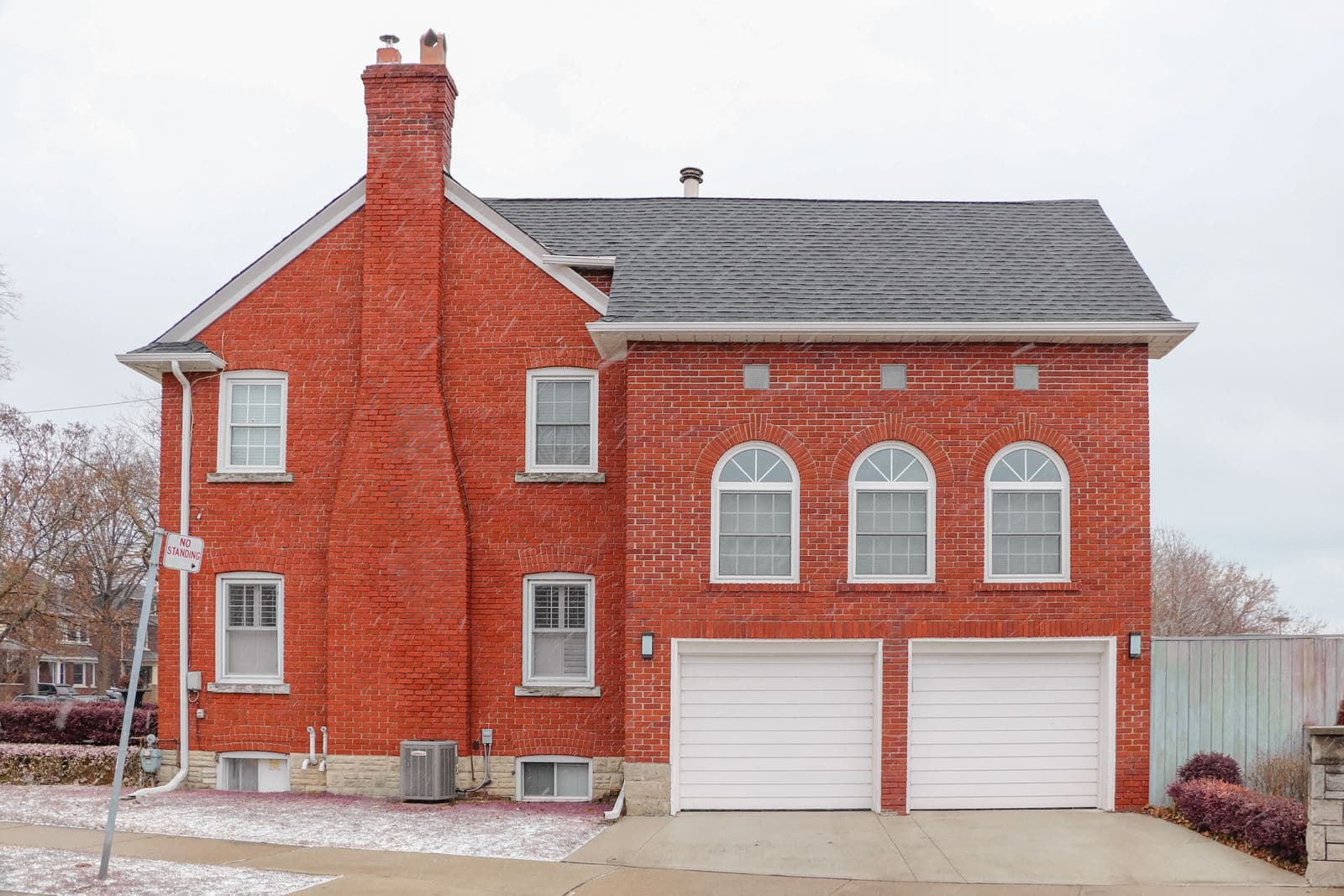
Most of the housing came later, in the big mid-century waves. Drive the neighborhoods between the river and the golf course and you'll see the pattern: 1950s-to-1970s ranch homes, many with genuine masonry fireplaces — block chimneys with brick veneer, built in an era when a fireplace was standard equipment rather than an upgrade.

The surviving 1920s homes bring a different construction into the mix: Mediterranean Revival, which often means stucco-clad masonry chimneys. Stucco weathers beautifully until it develops hairline cracks — and then it wicks water and holds it against the masonry underneath, hiding the damage while feeding it. On a chimney of that vintage, cracked stucco near the top is a find worth acting on, not watching.

That vintage matters. A sixty- or seventy-year-old chimney is usually structurally sound here, but its consumable parts — mortar joints, clay flue tiles, dampers, crowns — are all reaching the age where they need honest attention. This page is about what that looks like in this town specifically.

The river and the oaks set the moisture agenda

Temple Terrace sits in a bend of the Hillsborough River, and river towns run humid — mornings are damp, and the air never really dries out from June through September. Add the town's signature oak canopy and many chimneys spend their lives in shade, drying slowly after every rain. Slow drying is exactly what masonry doesn't want, because damp time — not rain itself — is what does the damage.

The visible symptoms are familiar on north-facing chimney sides all over town: green algae film, moss in the mortar joints, dark streaking. Cosmetic at first — but the same dampness that grows moss is soaking into the joints, and over decades it softens mortar and rusts dampers and firebox components from the inside.

The canopy contributes at the roofline too. Oak leaves and debris collect against the chimney base and hold moisture right where the flashing does its work, while an uncapped flue under mature oaks collects twigs, acorns, and the occasional squirrel family. A fitted cap and a periodic clearing of that roofline debris are small habits that prevent the two most common problems the trees cause.

The counter is a breathable water repellent that sheds rain while letting the masonry release the moisture it already holds — paint-on sealers that trap water do more harm than good on old block and brick. Our chimney waterproofing uses the breathable kind, applied after the joints and crown are made sound.

Mid-century chimneys: sound bones, aging joints

The classic Temple Terrace chimney of the 1950s and 60s was built well and built simply: concrete block core, brick veneer, clay tile flue. Sixty-plus years on, the usual findings are predictable — mortar joints eroded to a sandy recess, a crown with open cracks, clay tiles cracked or separated at their joints, and a steel damper that no longer seals or moves freely.

None of that is a condemnation; it's a maintenance list. Repointing restores the joints, a crown rebuild closes the top against rain, and where the clay tiles have failed, relining puts a modern sealed flue inside the original chimney so the fireplace can burn safely for the next few decades.

Down at the hearth, the firebox itself often needs the same era-appropriate attention: the thin mortar joints between firebrick erode after decades of heating and cooling, and a damper that has rusted past sealing lets conditioned air escape all summer. Both are contained, unglamorous repairs — and both make a mid-century fireplace noticeably better to live with.

The right order of operations starts with a chimney inspection in Temple Terrace — NFPA 211 recommends one annually even for a fireplace that burns a few nights a year, and on mid-century homes that yearly look is what separates a modest repair list from a compounding one.

These ranches also change hands steadily as one generation passes them to the next, and buyers routinely inherit a fireplace nobody has looked at in decades. If you're purchasing one, a chimney-focused inspection before or right after closing is money well spent: it tells you whether you bought a working fireplace, a repair list, or a decorative feature — and puts a real number on the difference before it becomes a surprise.

The Tampa-area rain machine, up close

Few places in America see summer rain like the Tampa Bay area, and Temple Terrace gets the full program: an afternoon thunderstorm most days from June into September, frequently arriving sideways on gusty outflow winds. Chimneys take the first hit, day after day — crown, cap, and flashing are the three exposed seams that summer weather here tests hardest.

When one of those seams gives, the evidence shows up indoors as a ceiling stain near the chimney or a musty firebox smell. Prompt leak repair at that stage is a focused fix; the same leak left through a full storm season becomes drywall, framing, and repainting.

Hurricane season, June through November, layers on top. Under mature oaks, storm risk includes limbs as well as wind — after any serious blow, look for a new lean, missing cap, or debris packed at the roofline, and call before you burn if anything looks off. For water actively coming in, our 24/7 line is answered around the clock.

The defense is the same three-point kit every exposed Florida chimney needs: a sound crown, tight flashing, and a properly fitted chimney cap that stays put in a blow. On a sixty-year-old chimney those three items are usually the difference between shrugging off a stormy summer and spending October chasing a ceiling stain.

Close by, quick, and straight with you

Temple Terrace sits minutes from our Tampa-area coverage, so getting a local pro to a house here rarely takes long — same-day scheduling is often available, and a real person answers the phone when you call.

We're a family-owned Florida company. Every job starts with a free written estimate — findings, upfront prices, and the workmanship warranty term all on paper before work begins. No surprises at the end, because the number you approved is the number you pay.

With the university district next door, a fair number of Temple Terrace homes are long-term rentals, and landlords have their own needs: findings and prices documented in writing, scheduling coordinated around tenants, and work that holds up between turnovers. The written estimate covers the paper trail; the workmanship warranty covers the rest.

Whether it's moss on a shaded chimney, a damper that's given up, or a full flue reline on a 1960s ranch, the first step is the same free look. Request a free estimate and we'll take it from there.

Frequently Asked

Chimney service in Temple Terrace — homeowner questions.

Our Temple Terrace ranch was built in the 1950s. Is the original fireplace still safe?
Very possibly — mid-century chimneys here were built solidly, and the structure usually holds up. The deciding factors are the flue tiles, mortar joints, crown, and damper, all of which age on their own schedules. An inspection sorts the list, and if the clay tiles have cracked, relining restores safe use without altering the chimney.
There is moss and green staining on the shaded side of my chimney. Does it matter?
It is a symptom worth acting on. Moss and algae mean that face stays damp between rains, and the same moisture is slowly working into the mortar joints. Cleaning, repointing where joints have softened, and a breathable water repellent stop the cycle — paint-on sealers that trap moisture should be avoided on older masonry.
The oaks drop debris constantly. How do I keep it out of the flue?
A properly fitted chimney cap is the answer — it keeps leaves, twigs, and acorns out of the flue and closes the door on squirrels, raccoons, and nesting birds at the same time. Under a canopy like Temple Terrace has, a cap plus a periodic sweep handles what the trees send down.
What does relining an older flue cost?
It scales with flue size, height, and the liner type the fireplace needs, so honest answers start with an inspection rather than a phone quote. As a Florida-market observation, relining sits well above a sweep or cap job but well below rebuilding a chimney — and your actual number comes from a free written estimate.
How quickly can you get to Temple Terrace?
Usually fast — the town sits inside our Tampa-area coverage, same-day scheduling is often available, and the 24/7 line covers active emergencies like storm leaks. A real person answers, tells you honestly when someone can be there, and the arrival time we give is one we keep.

Ready to schedule chimney service in Temple Terrace?

A real person answers, free estimate before any work, same-day scheduling across Temple Terrace.