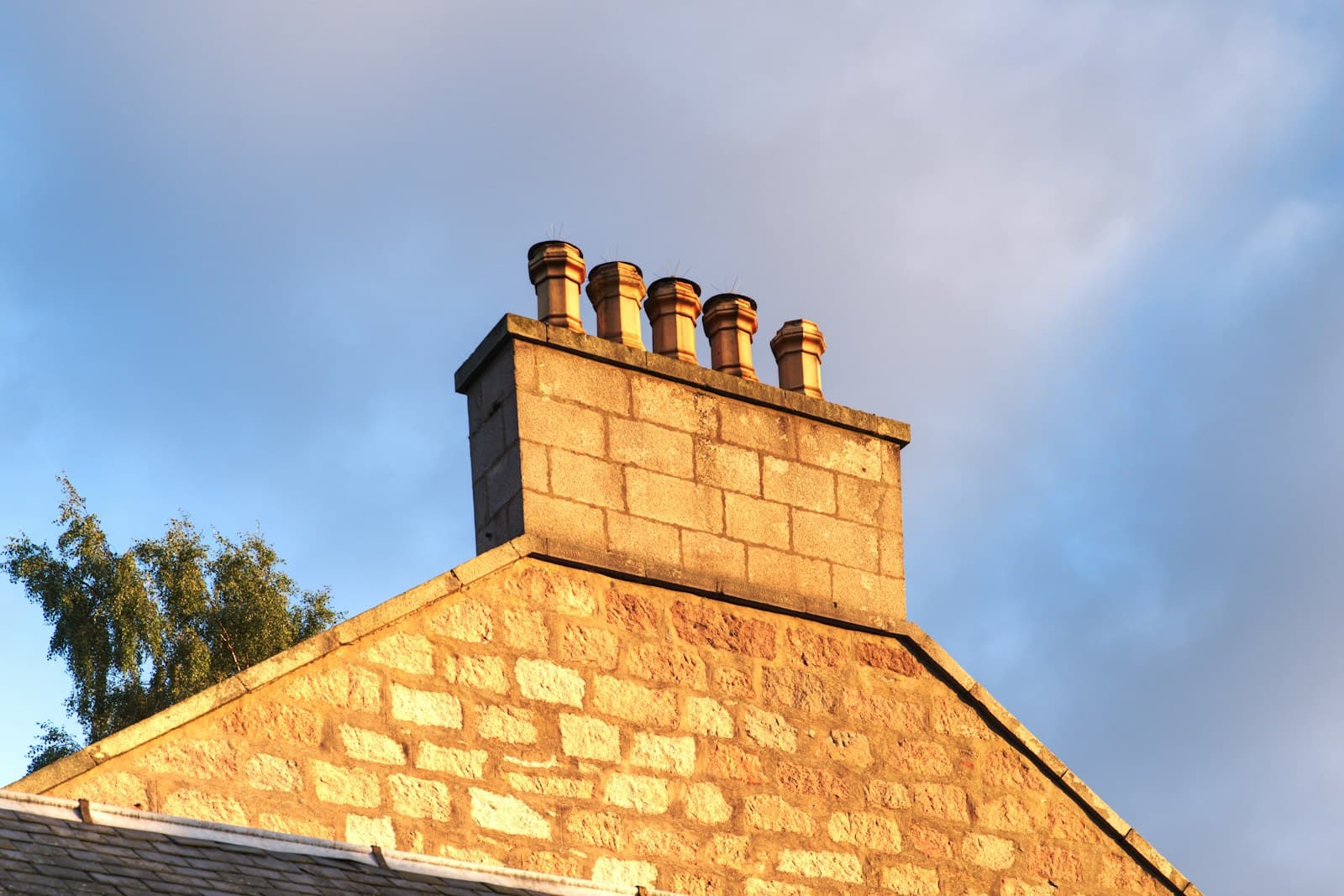
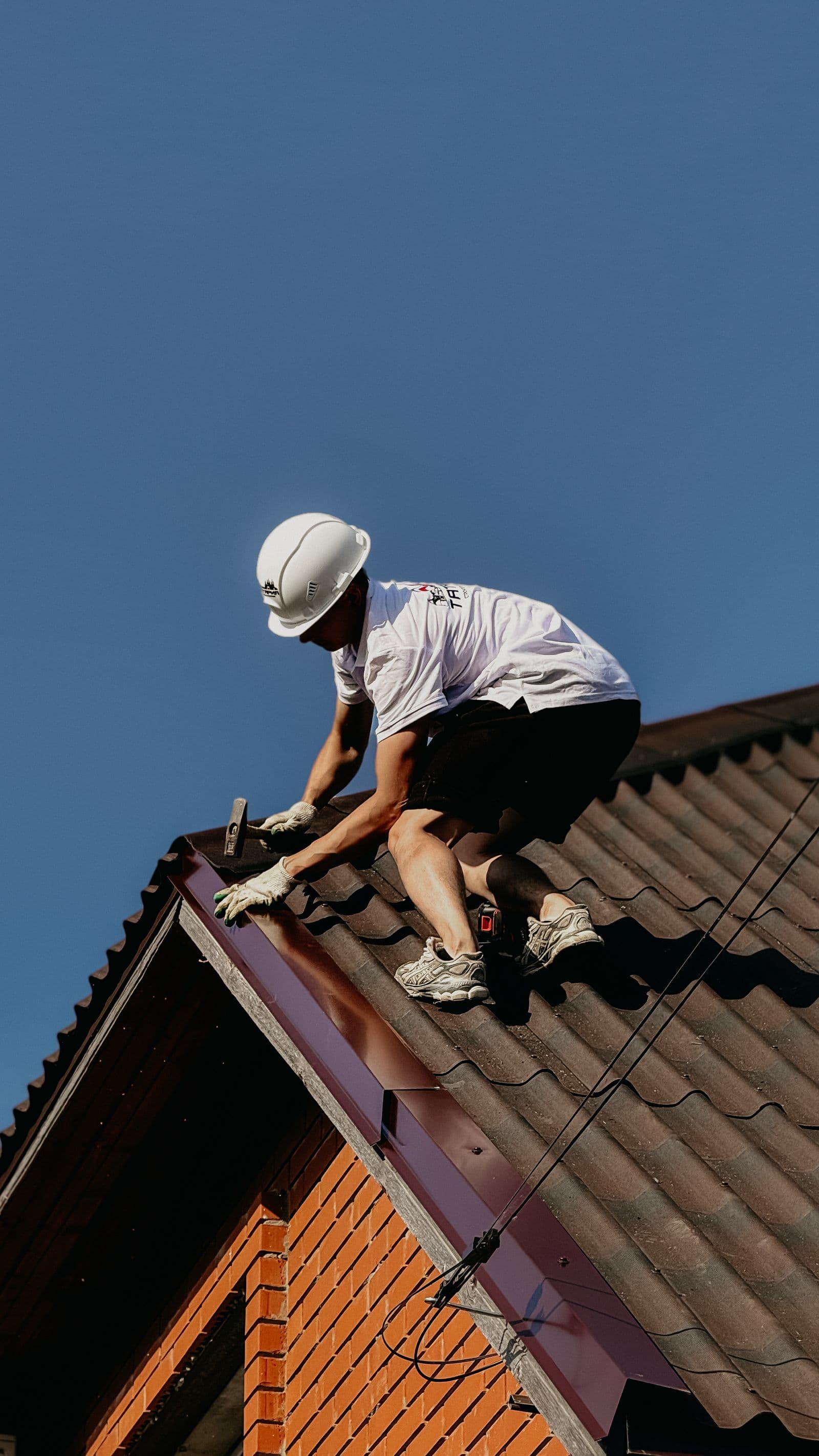
Stuart's stretch of coast knows storms the hard way: the back-to-back hurricanes of 2004 made this part of the Treasure Coast a national headline twice in one season, and every June the town starts watching the tropics again. A chimney is the tallest, most exposed structure on the house, and it takes wind and wind-driven rain first. Gusts strip loose caps, peel back flashing that was already tired, and drive rain horizontally into mortar joints and siding seams that ordinary vertical rainfall never tests.
Even an ordinary Stuart summer is a stress test. From June through September the afternoon storms roll in off the water or boil up over the interior, and the chimney absorbs a soaking almost daily. Water finds the hairline crack in a crown, the gap where flashing meets shingle, the pinhole in a rusting chase cover, and then it travels. Chimney leaks almost never show up at the chimney; they show up as a ceiling stain a few feet away or paint bubbling in a corner of the family room. Real chimney leak repair starts with tracing the water to its actual entry point, because sealing the wrong spot just reroutes the drip.
After any storm passes close, look at the stack from the ground for anything shifted, missing, newly stained, or visibly leaning. For a chimney fire, suspected carbon monoxide or gas, an unstable chimney, or another immediate danger, leave the area and call 911 or the utility first.