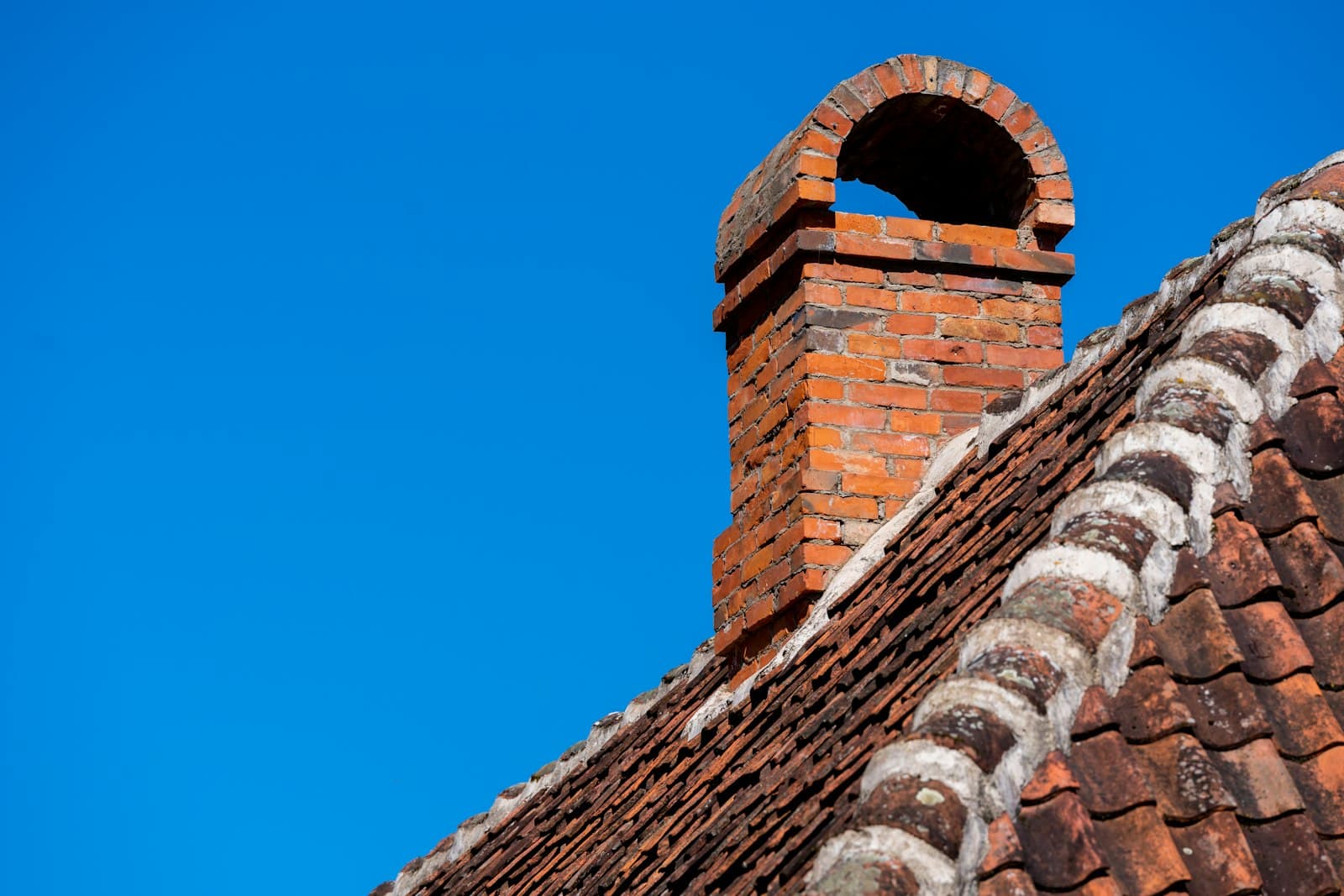
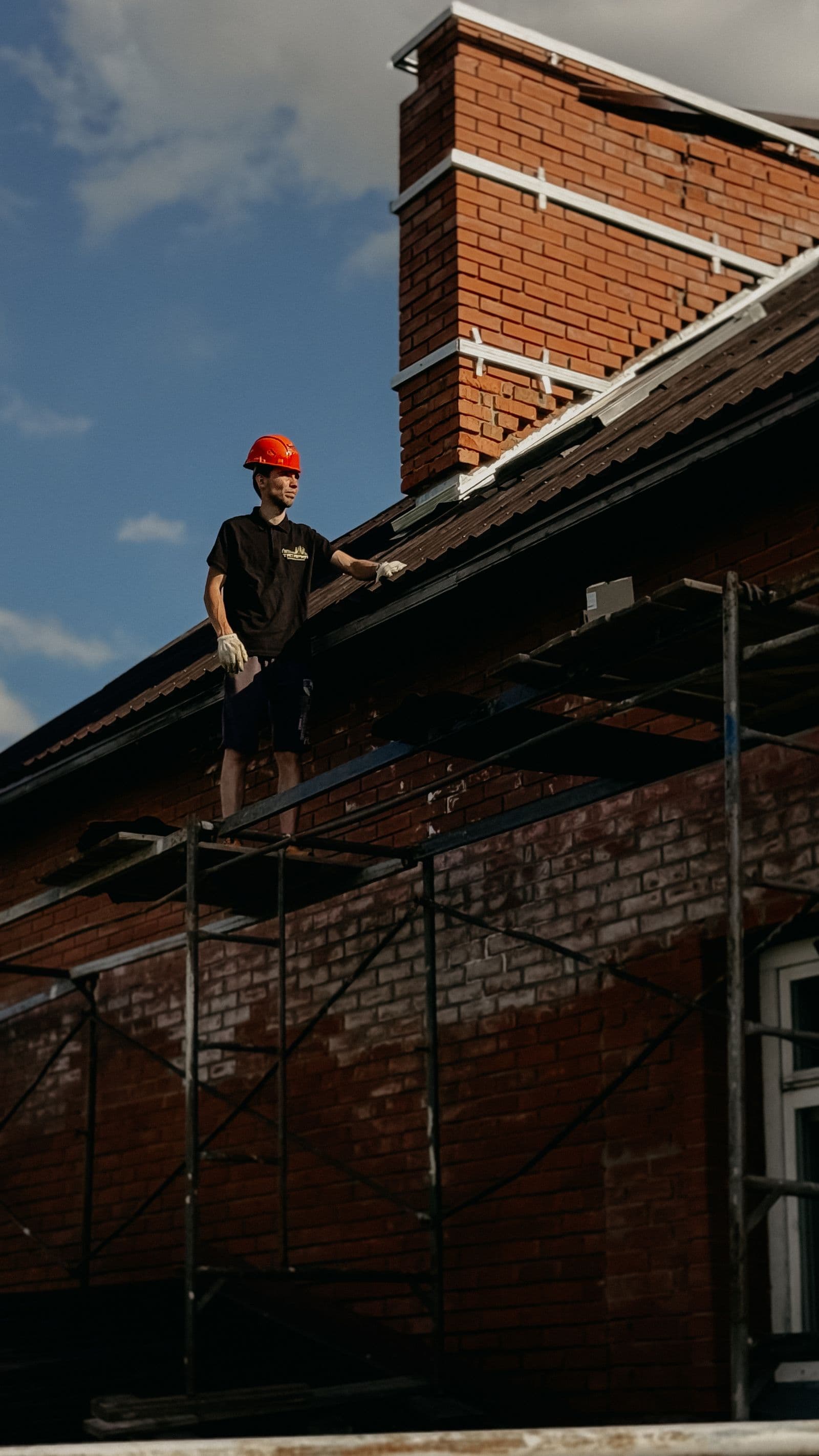
From June into September, east-central Florida gets its rain in violent afternoon installments. The interior of the peninsula is famous lightning country, and the storm cells that build over it push toward the coast most summer afternoons, dropping intense rain and gusty wind on Volusia County on their way through. Your chimney is the most exposed thing on the house, and it takes those storms first and hardest: vertical rain on the crown, wind-driven rain against the shoulders of the stack, and water probing every joint the sun spent the spring drying out.
Chimney leaks are sneaky about where they announce themselves. Water that enters at the crown or the flashing travels along framing and masonry before it surfaces, so the evidence shows up as a ceiling stain a few feet from the chimney, paint bubbling in a corner, or a musty smell in a room that gets little use. Effective chimney leak repair starts with finding the true entry point (crown, cap, flashing, or saturated brick), because sealing the wrong spot does not stop the water, it just sends it somewhere new.
Hurricane season runs June through November, and Volusia County has seen enough tropical weather in recent years for nobody here to need the reminder. A passing system does not have to make a direct hit to matter: outer bands drive rain sideways into mortar joints that ordinary storms never test, lift flashing that was already tired, and strip caps that were one screw away from loose. Ahead of the season, chimney waterproofing with a breathable repellent gives brick a fighting chance against months of saturation; after any storm passes close, a two-minute look at the stack from the ground for anything shifted, missing, or newly stained is a habit worth keeping.