
Proudly American-Owned

Chimney & Fireplace Company in Seminole, FL

Compare chimney repair and fireplace service options for your Seminole property with a technician at a free estimate visit.

Free Seminole Estimate

10% OFFFirst service

Family-Owned

A family-owned company serving Seminole properties.

Proudly American-Owned

An American-owned chimney and fireplace company.

Free Estimate Visit

A technician can visit the property and provide a free estimate.

Hire Chimney & Fireplace Specialists Serving Seminole, FL

Seminole sits in the middle of built-out Pinellas County (Florida’s most densely settled county), where whole neighborhoods of ranch homes went up in the 1950s through the 1970s and have been standing in Tampa Bay weather ever since. That mid-century housing stock, plus a storm season that earns its reputation, defines what chimney work here actually looks like.

Name the symptom at the Seminole address, then open the matching page: chimney repair in Seminole, chimney sweeping, inspection, leak repair, cap replacement, crown repair, flashing repair, waterproofing, masonry repair, relining, rebuild, hurricane repair, gas fireplace repair, animal removal, or fireplace repair. The technician estimate visit is free.
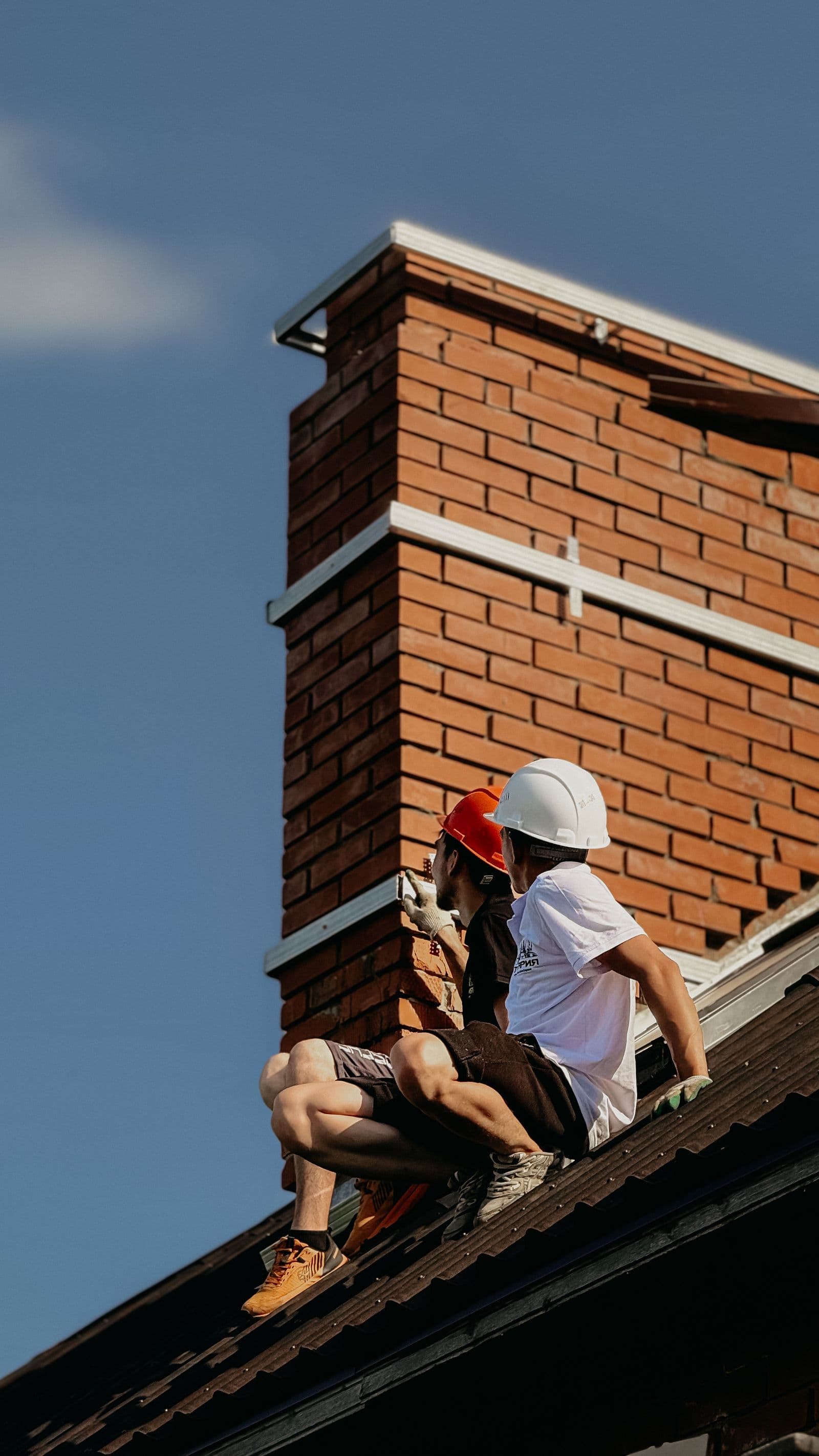
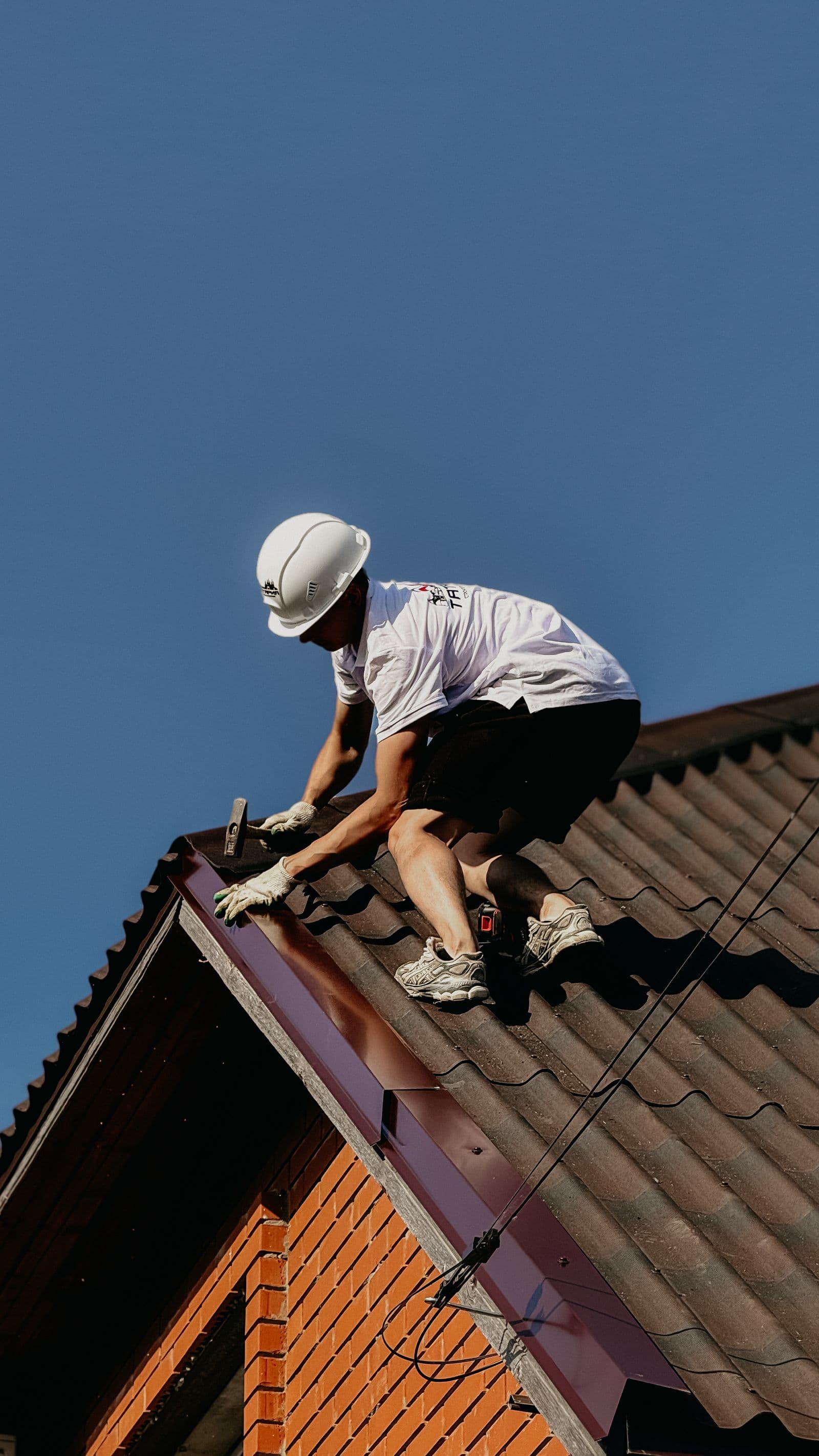
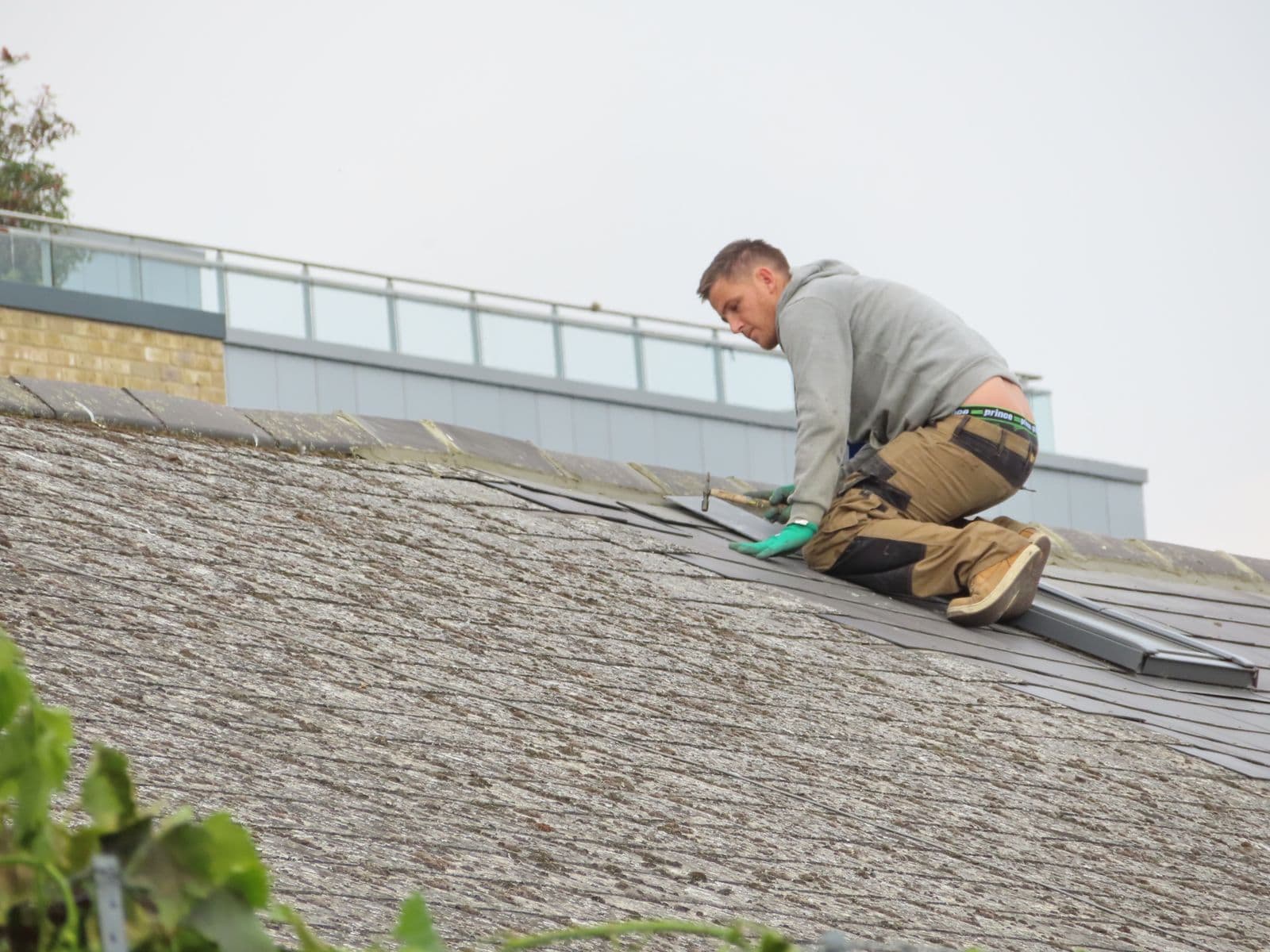
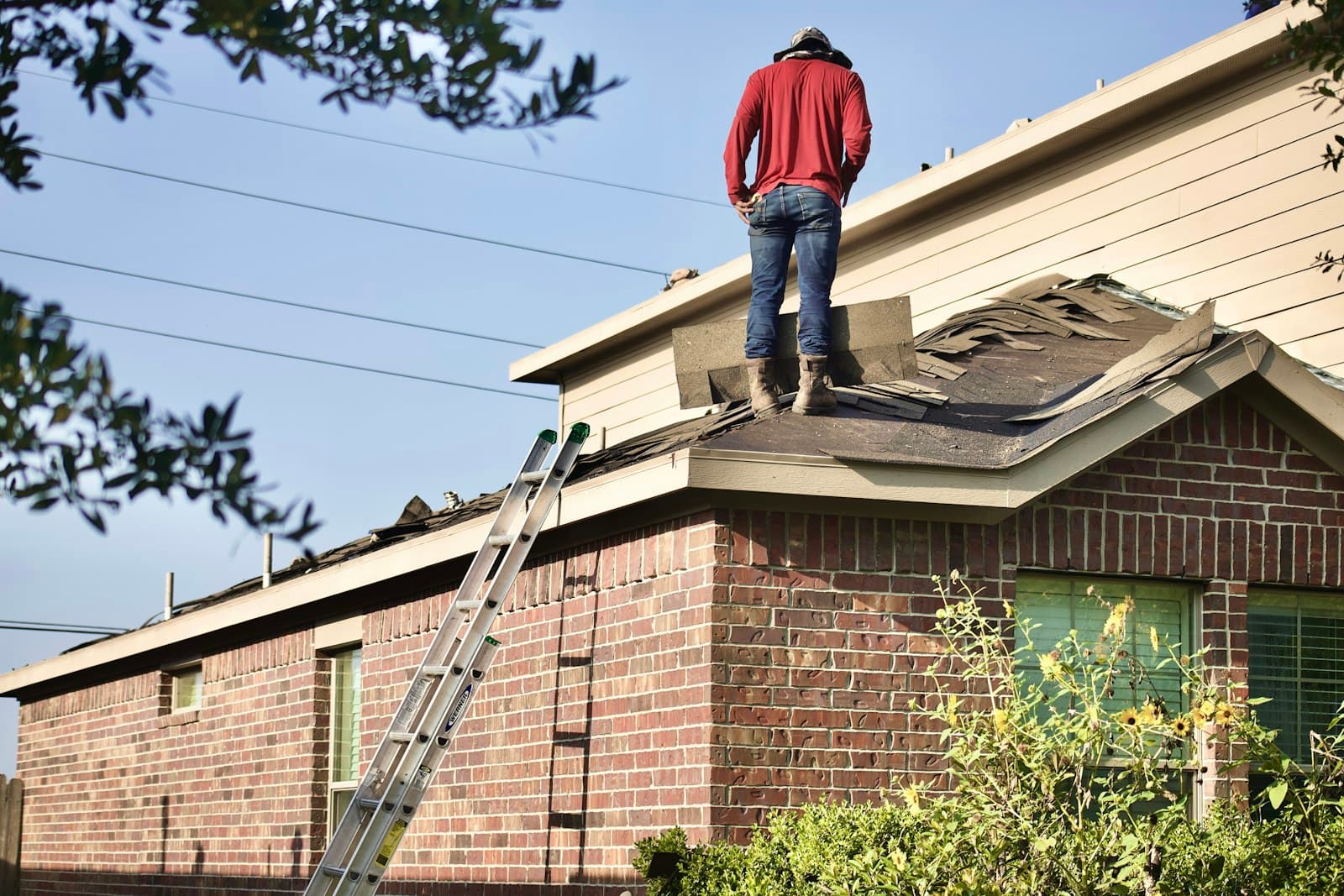
Work in progress on a chimney stack

What happens next

How chimney and fireplace service works in Seminole

The estimate visit is separate from any paid work, so you can review the estimate before deciding.

  1. Tell us what you are seeing

    Call or send the estimate form with the service or concern you want reviewed. Include your property's ZIP code in Seminole.

  2. Get a free estimate visit

    A technician can visit the property and provide a free estimate for chimney or fireplace service.

  3. Approve the work before it begins

    Paid work requires a deposit. If you cancel after paying the deposit, the company retains it.

Understanding Seminole properties

Mid-century Pinellas: what Seminole’s housing stock means for chimneys

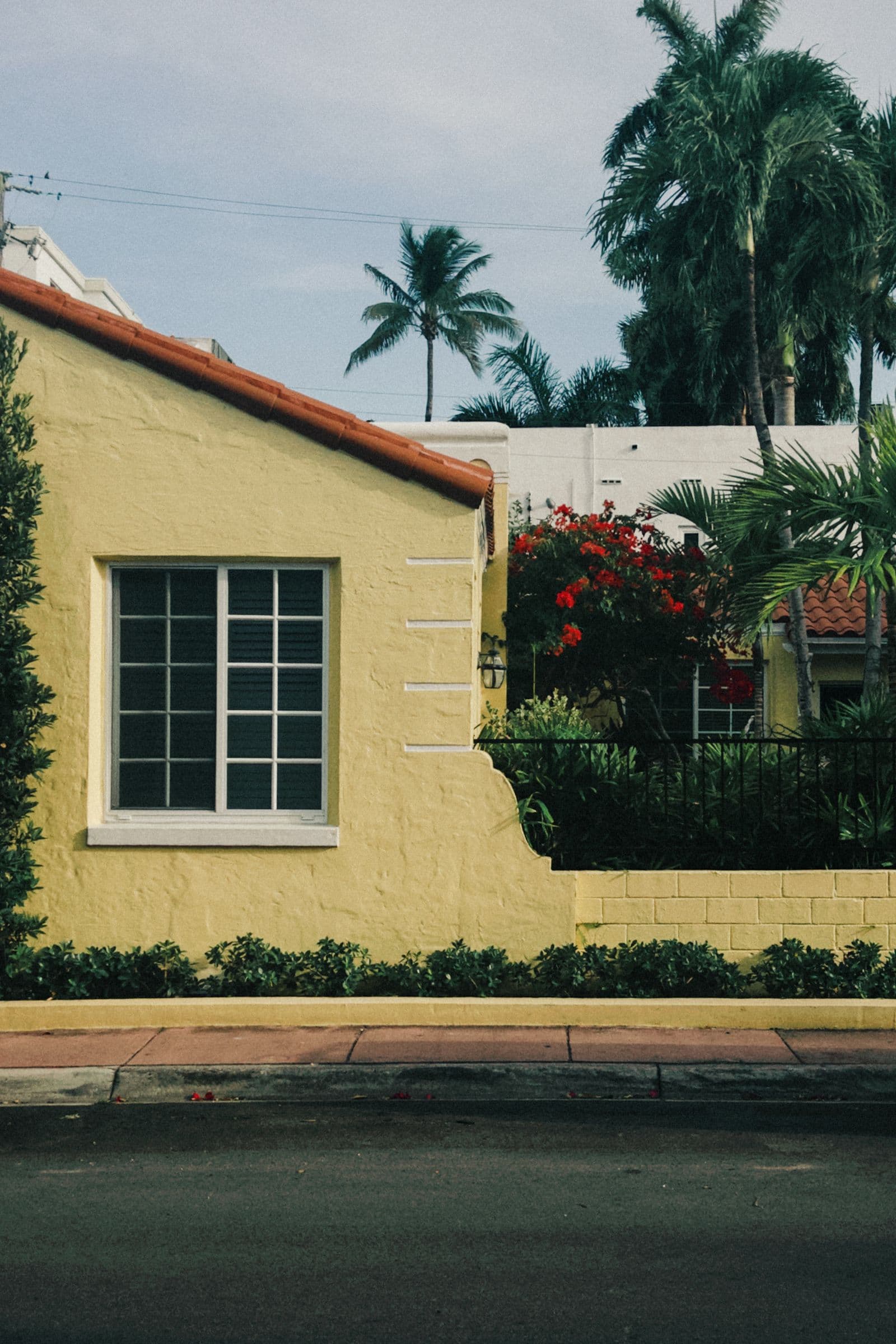
Pinellas County filled in earlier than most of Florida, and Seminole wears that history in its streets: block after block of single-story concrete-block ranch homes from the postwar decades, many of them built with a real masonry fireplace when that was simply how Florida houses were finished. Those chimneys are now fifty to seventy years old. The brick may look fine from the driveway, but the parts that age (mortar joints, the poured concrete crown up top, and the clay tile liner hidden inside) have been quietly working through decades of heat, rain, and humidity, and they rarely fail all at once. They fail gradually, which is exactly why nobody notices until something leaks or smells wrong.

Older flue liners can crack or shift where the condition is not visible from the room. Whether relining or another repair is appropriate depends on a separately scoped inspection and system compatibility; any proposed recommendation depends on the condition at the property.

Not every fireplace in Seminole is original masonry, of course. Later builds and remodels lean on factory-built fireplaces housed in framed, sided chases, where the weak points are different: rusting chase covers, undersized caps, and rain finding its way in at the chase top. Small sheet-metal parts, outsized consequences, and a completely different repair skill set than repointing old brick. The chimney type and observed condition should be evaluated before any repair scope or materials are proposed.

Mild winters, humid summers: the idle-flue problem

Tampa Bay winters are gentle. A handful of cold fronts push through between December and February, overnight temperatures dip enough to make a fire genuinely pleasant, and most Seminole fireplaces burn a dozen nights a year at most. The catch is the other eleven months. For a chimney fire, suspected carbon monoxide or gas, an unstable chimney, or another immediate danger, leave the area and call 911 or the utility first.

The fix is unglamorous and effective: a proper chimney sweep clears out the deposits that humidity feeds on, and doing it after burn season rather than before means the flue sits clean through the wet months instead of marinating. It also gives a pro eyes on the damper and firebox parts that quietly corrode in this climate, components that tend to announce their failure on the first cold night, when every sweep in Pinellas County is suddenly booked.

An idle flue is also an invitation. Raccoons, squirrels, and birds treat an uncapped Seminole chimney as ready-made shelter, and a nest discovered in November is a worse problem than one prevented in May. Humane animal removal handles the tenants; a properly fitted chimney cap helps deter repeat wildlife entry, and keeps rain out of the flue as a bonus, which in this part of Florida is arguably the bigger job.

Lightning alley and the summer leak season

The Tampa Bay area sits at the western end of Florida’s famous lightning alley, and from June into September Seminole gets its rain the way the whole corridor does: a violent hour most afternoons, delivered with wind and electricity. Your chimney is the most exposed thing on the house and takes those storms head-on, week after week, for an entire season. Hairline cracks in the crown let water into the structure, tired flashing lets it into the ceiling, and bare masonry simply drinks: brick can absorb a startling amount of water over a single summer.

The frustrating part is that chimney leaks rarely announce themselves at the chimney. They show up as a ceiling stain a few feet away, a peeling patch of paint, or a damp smell in a room that gets little use. Real chimney leak repair starts with finding the actual entry point (crown, flashing, cap, or saturated masonry), because sealing the wrong spot doesn’t stop the water, it just reroutes it somewhere new.

Prevention is cheaper than chasing stains. A breathable water repellent, the kind that sheds rain but lets trapped vapor escape, is the single best thing a Seminole homeowner can do for an aging masonry stack, and the smart timing is late spring, before the daily storms arrive. Chimney waterproofing paired with a sound crown and healthy flashing closes off the three ways summer gets into a chimney, and a system that enters June dry is a system that comes out of September without a story to tell.

Hurricane season on the Pinellas peninsula

From June through November, the Pinellas peninsula watches the tropics like everyone else on Florida’s west side. A passing system doesn’t need a direct hit to work on a chimney: outer rain bands drive water sideways into mortar joints that vertical rain never tests, gusts strip caps that were only finger-tight, and a chase cover that was quietly rusting through its tenth summer picks the worst possible week to give up. On low-slung ranch roofs, the chimney is often the tallest thing standing: it catches whatever the storm brings.

After any system passes close, a two-minute ground-level look at the stack is worth the habit: anything visibly shifted, missing, or newly stained deserves professional eyes before the next front arrives. Rusted or lifted chase tops are among the most common finds on Seminole’s newer fireplaces, and chase cover repair is a fast, contained fix when it’s caught early, and a soaked firebox and moldy chase when it isn’t. For a chimney fire, suspected carbon monoxide or gas, an unstable chimney, or another immediate danger, leave the area and call 911 or the utility first.

Straightforward chimney help, the Seminole way

NFPA 211, the fire-safety standard for chimneys and fireplaces, recommends an annual inspection even for lightly used systems, and that guidance fits Seminole unusually well: a fireplace that burns twelve nights a year in a house built during the Eisenhower or Kennedy administrations is precisely the system that benefits from one professional look a year. The rhythm that serves Pinellas homeowners best is seasonal: a sweep and check after burn season, waterproofing and masonry work in the drier months, and a fast call after any storm that visibly moved something. None of it is complicated; it’s simply the cadence this climate rewards, and it costs far less than reacting to whatever the first cold front reveals.

Talk with our team

Need chimney and fireplace service in Seminole?

Tell us what you are seeing and include your property's ZIP code. We will use those details to understand the service request.

Frequently Asked

Questions Seminole Homeowners Ask About Chimney & Fireplace Service

How often does a Seminole fireplace really need attention?
NFPA 211 guidance is an inspection every year, with sweeping whenever deposits warrant it, and light use doesn’t change that. A Seminole flue spends most of the year idle in heavy humidity, collecting moisture, odors, and sometimes nesting animals, so the annual look matters even if you only burned a dozen nights. Spring is the smart timing: the flue sits clean through the wet season and you skip the fall booking rush.
My Seminole home was built in the 1960s. Is the original chimney still safe to use?
Possibly. Mid-century Pinellas chimneys may have aging clay tile liners that are not visible from the living room.
Why does my fireplace smell musty every summer in Seminole?
That smell is humidity working on last season’s soot and creosote inside a closed-up flue, a Tampa Bay classic. Months of damp air held against those deposits produces the odor, and it also quietly corrodes dampers and firebox parts. A sweep after burn season removes what the moisture feeds on, and a well-fitted cap keeps rain from adding to the problem from above.
What causes most chimney leaks in Seminole?
Three entry points cover nearly all of it: a cracked crown up top, flashing that’s pulled away where chimney meets roof, and bare masonry that soaks up a whole summer of afternoon storms. The stain usually shows up a few feet from the chimney itself, which sends people chasing roof leaks that aren’t there. Finding the true entry point first is the job. Sealing the wrong spot just reroutes the water.
Should I check my chimney after a storm passes near Pinellas County?
Yes, a two-minute look from the ground is enough. You’re checking for anything shifted, missing, or newly stained: a cap sitting crooked, a chase cover lifted at a corner, fresh streaks down the masonry. Wind-driven rain tests joints that ordinary storms never touch, so damage sometimes shows up after a near miss. A technician can visit the property and give a free estimate.

Ready to schedule chimney service in Seminole?

Tell us what you are seeing, include your property's ZIP code, and call to request a technician estimate visit.