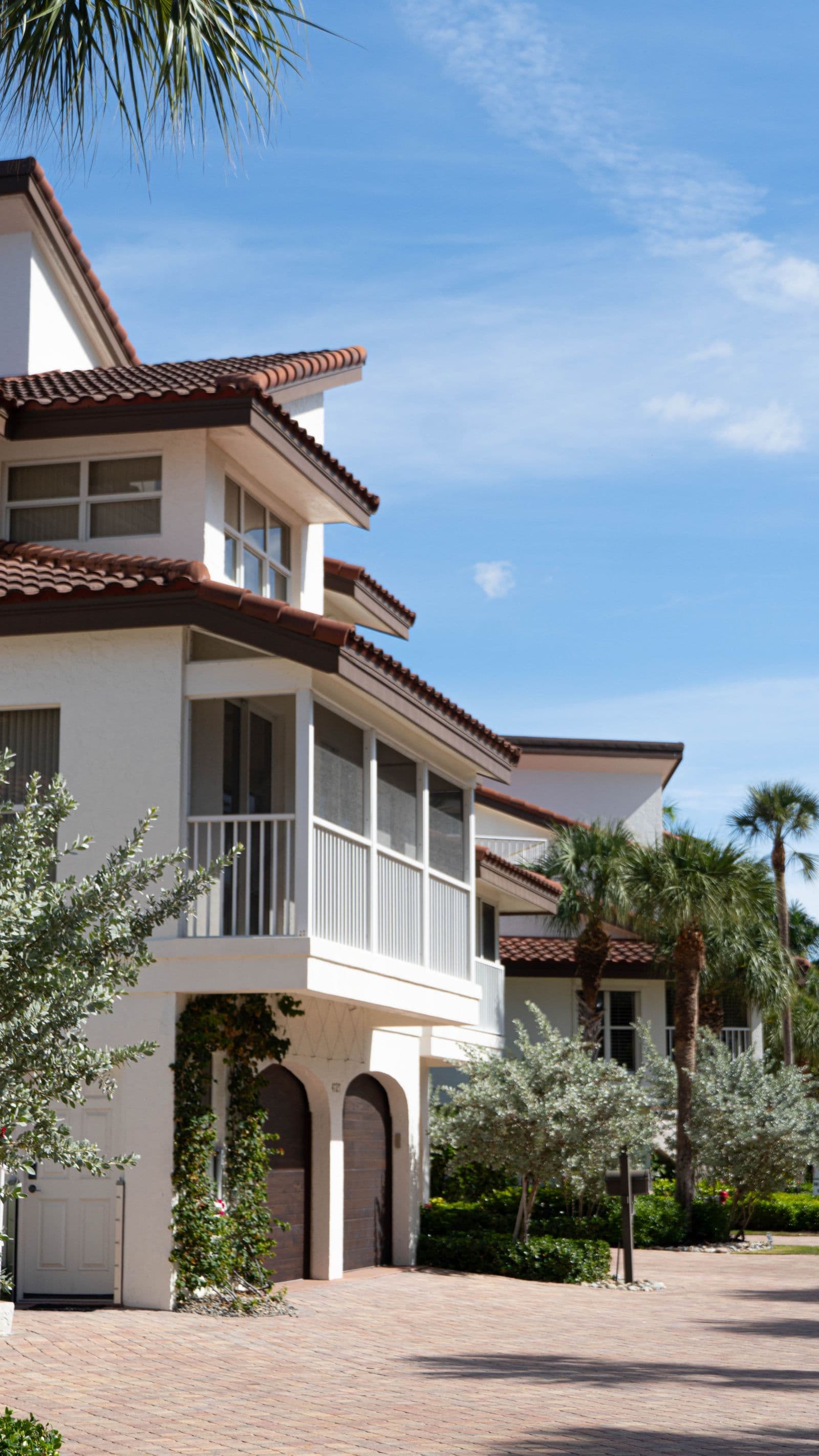
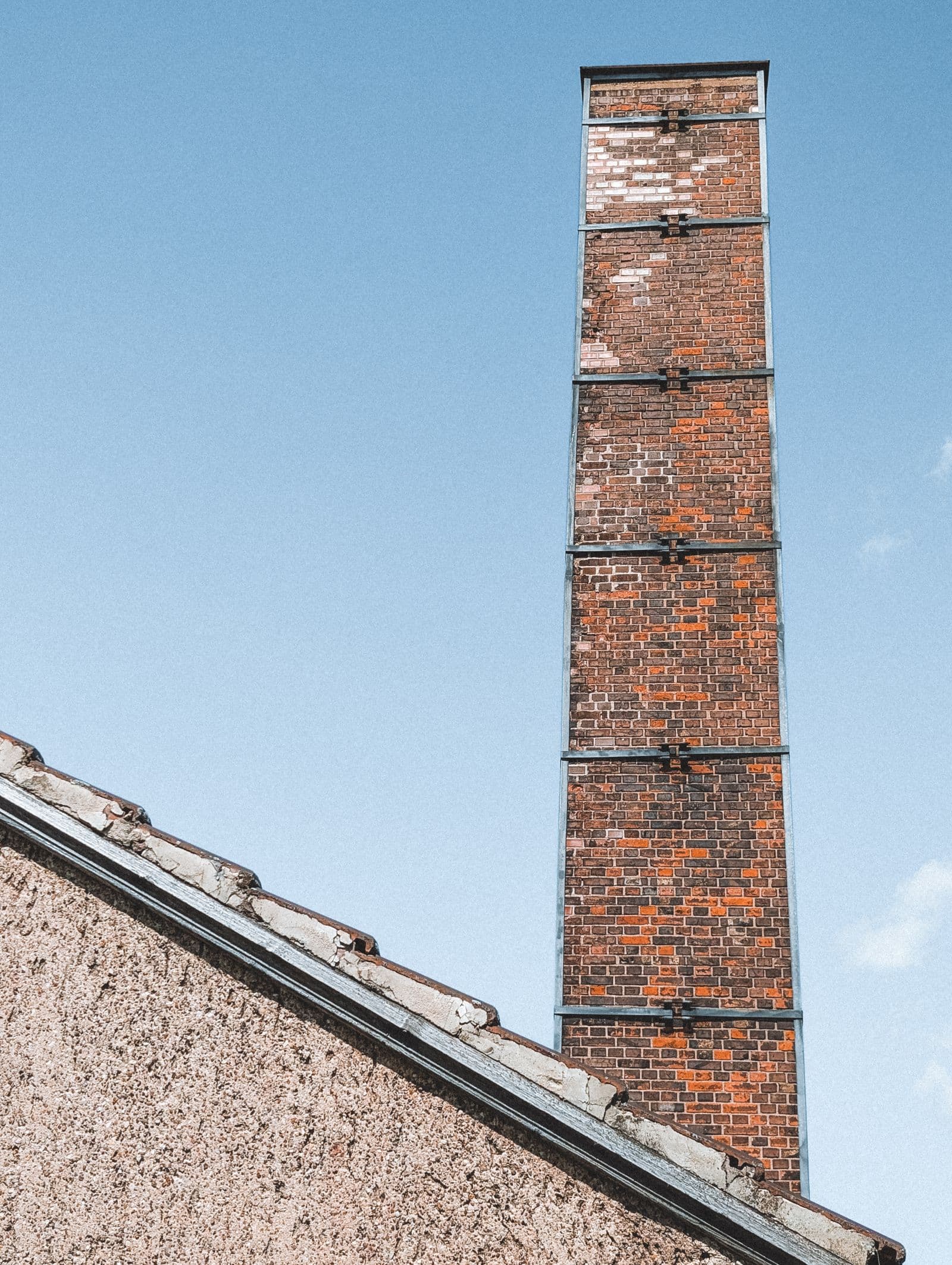
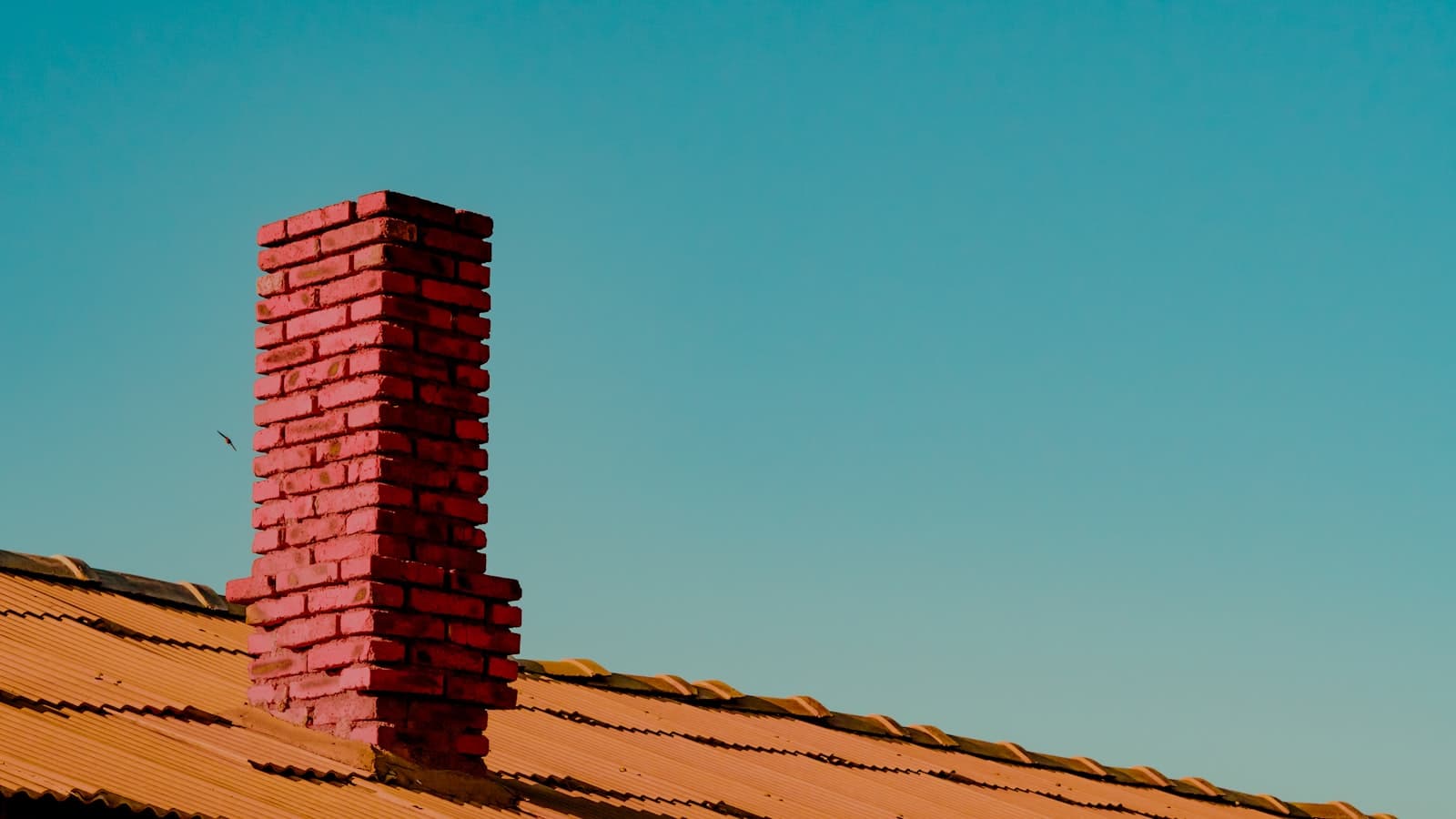
Most of Sebastian is single-story concrete-block construction, and most fireplaces here are factory-built units sitting inside framed, sided chases rather than full masonry stacks. That changes the maintenance conversation. The classic failure isn't crumbling brick. It's a chase cover that pools water and rusts through from the top, a storm collar that's worked loose, or refractory panels inside the firebox that have cracked with age.
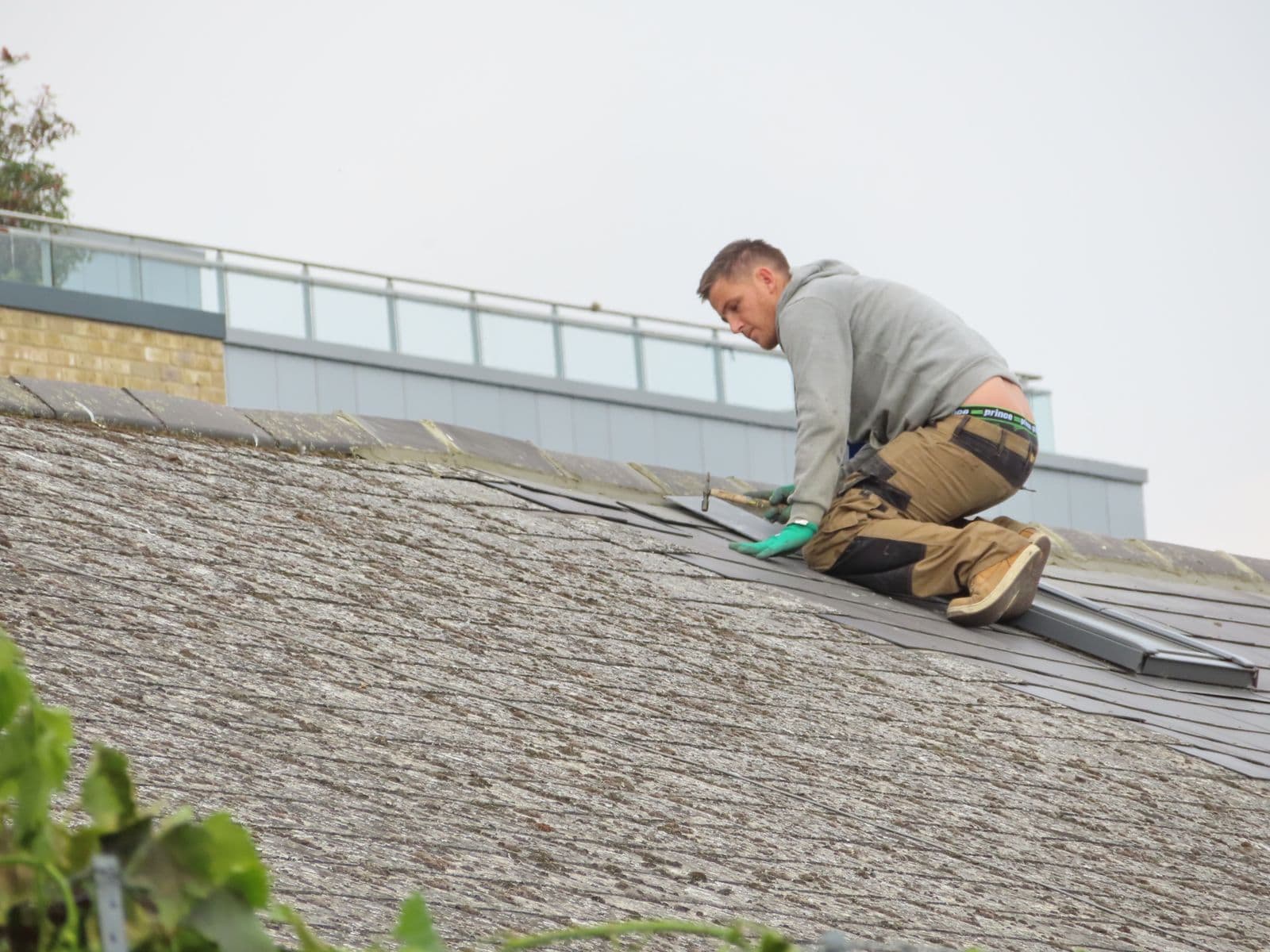
The good news is that these are component problems, not structural ones. Covers, caps, collars, and panels are all replaceable, and catching them early keeps water out of the chase framing. That matters, because a damp wood chase in lagoon-country humidity is an invitation to rot you won't see until it's advanced.
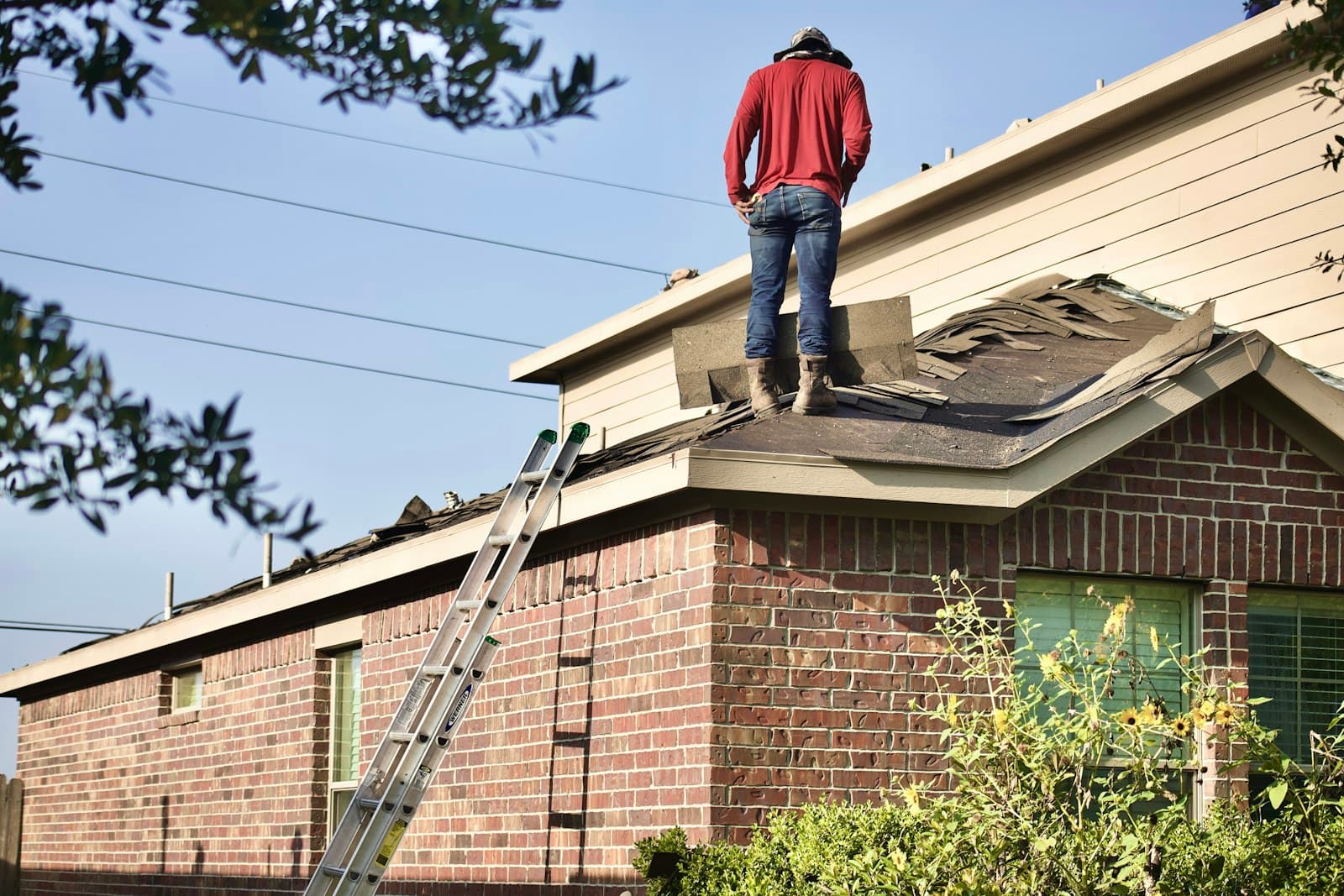
A quick self-check any Sebastian homeowner can do from the yard: look for rust streaks on the chase siding, staining on the roof below the chimney, or a cap that's visibly tilted. Any of the three means the top of the system is due for attention, ideally before the next storm makes the argument for you.
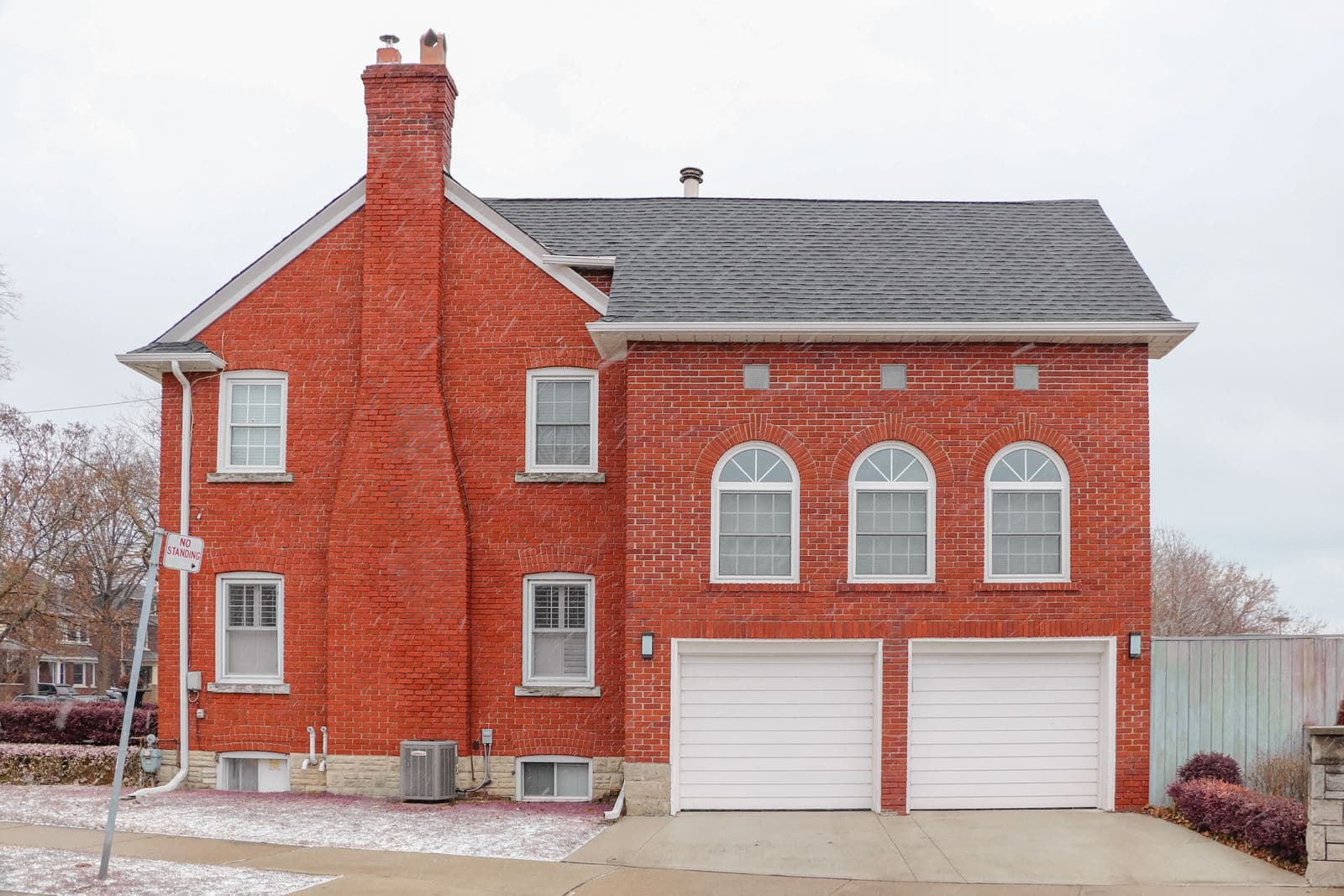
Sebastian's older riverfront pockets, with their fish-camp and frame-home heritage, do include some true masonry chimneys. Those need coastal masonry care: sound mortar joints, an intact crown, and a breathable water repellent so the brick sheds rain instead of drinking it.
One more Sebastian-specific note: much of the town's housing went up in waves as it grew from a small fishing village into one of the Treasure Coast's steadier communities. That means a lot of fireplaces installed in the same era are now aging in the same era. If your neighbors have started replacing chase covers and caps, yours is probably running on the same clock.