Your Okeechobee County chimney & fireplace team in Okeechobee
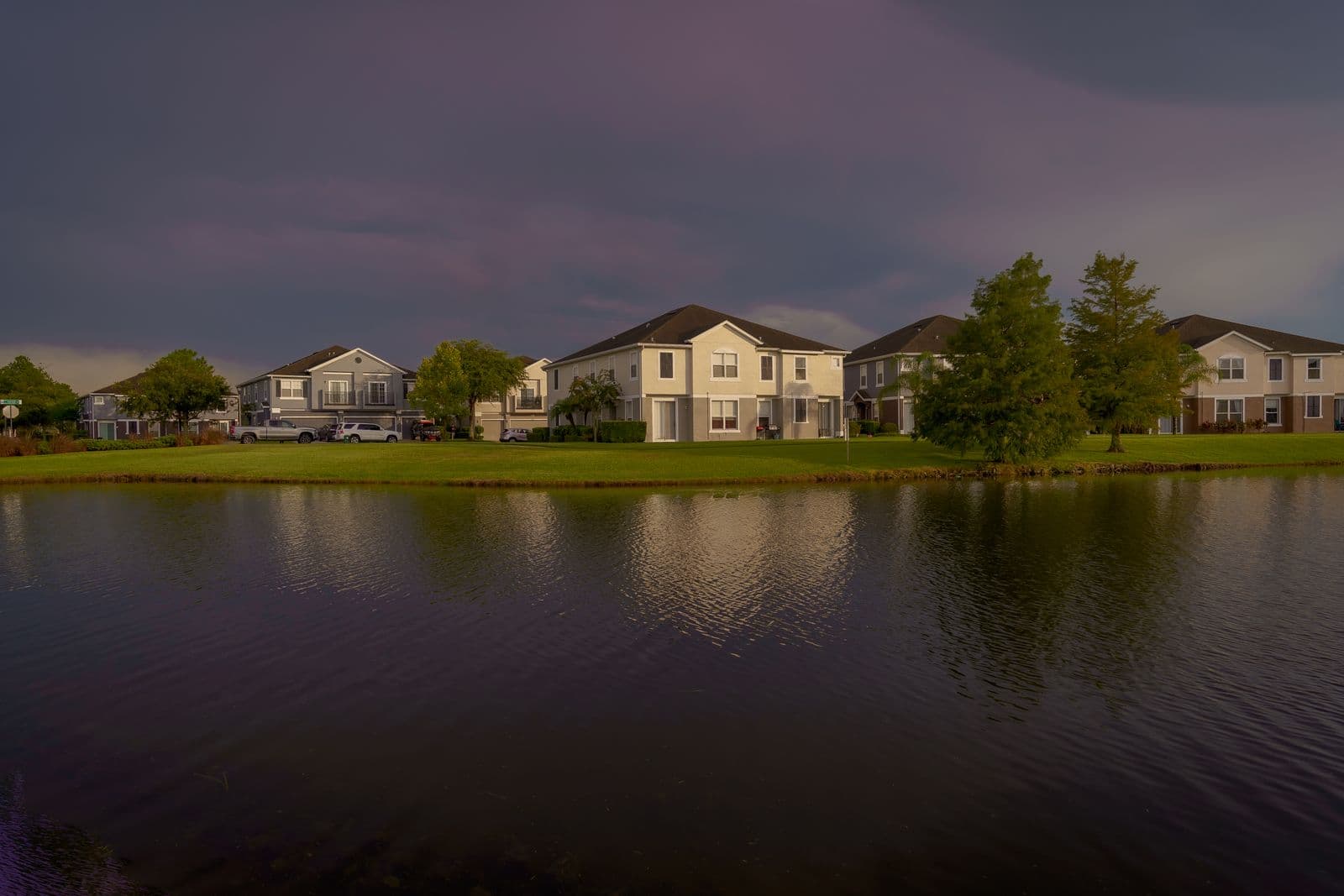
Okeechobee is a Central Florida community in Okeechobee County, part of Central Florida. That location is the single biggest factor in how chimneys age here — the local climate drives how quickly masonry, mortar, caps, and liners wear, and it matters more than the chimney itself when scoping any Okeechobee repair, sweep, or rebuild.
As an inland Okeechobee County community, Okeechobee trades salt air for humidity and heavy seasonal storms — the two forces that keep masonry damp, open mortar joints, and turn small crown cracks into leaks. Work here leads with water management: crown, flashing, joints, and breathable waterproofing. Chimney Repair Service is the chimney company near me that Okeechobee homeowners book for all the right reasons: a vetted local pro who knows the Okeechobee climate, free estimates before any tool comes out, climate-appropriate materials, and a workmanship warranty in writing. The local pro comes to you.
Okeechobee is lake country and cattle country at the same time — a working town on the north shore of Florida’s big lake, where the wind comes across miles of open water and the winter cold fronts come across miles of open prairie. Chimneys here live a harder outdoor life than most people realize.
Chimney help built for the big-lake town
Okeechobee sits where Florida’s interior turns serious: the north shore of Lake Okeechobee on one side, and some of the state’s deepest cattle-ranching country stretching out on the other. This is a working town — fishing guides on the lake, ranch trucks on the highways, and a housing mix to match: older frame houses in town, ranch homes on acreage, and a large share of manufactured homes in the communities and fish camps near the water. Almost none of it was built by the cookie-cutter coastal developers, which means almost none of the chimney work here is cookie-cutter either.
We are a family-owned Florida company, and the vetted local pros we send to Okeechobee County are comfortable with that whole range — masonry fireplaces in the older houses, wood stoves on rural properties, and the factory-built fireplaces with metal chases that come standard in manufactured and modular homes. Each type fails its own way, and knowing which one you have is half the diagnosis.
The service promise does not change with the address: a real person answers the phone, you get a free written estimate before work starts, pricing is upfront, the workmanship warranty comes in writing, and same-day scheduling is available when the route allows. When a storm is actively pushing water into the house, the 24/7 emergency line is the right call.
Wind off the big water
The lake gives Okeechobee its living and also its weather problem: there is nothing between your roof and a thirty-mile fetch of open water. Wind that would be softened by trees and buildings elsewhere arrives here at full strength, and it drives rain into chimney joints, under cap edges, and through flashing gaps that would stay dry in a sheltered town. On the flat prairie side, the story is the same — open country means every squall line hits the house directly.
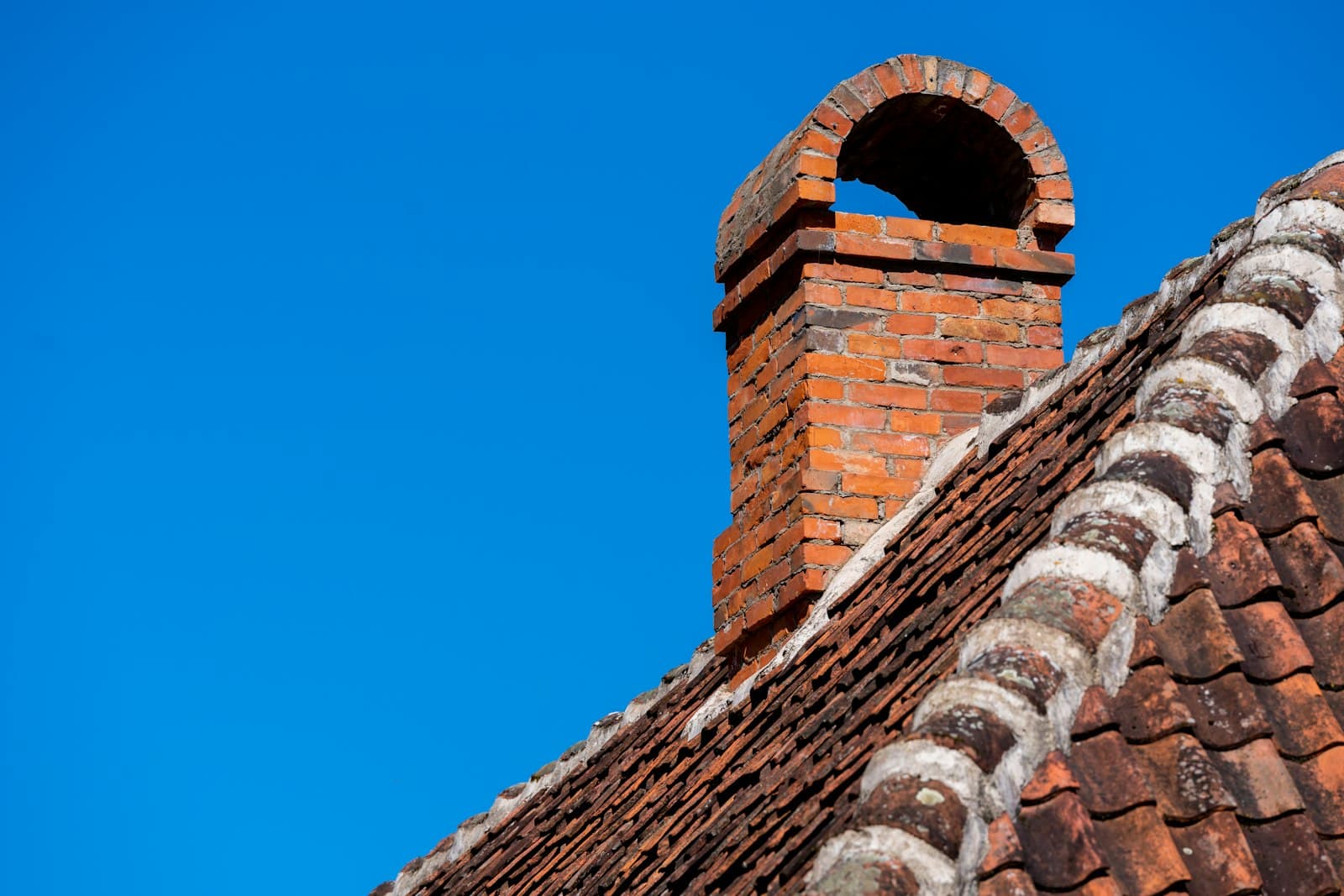
That exposure makes three components disproportionately important in Okeechobee: a well-anchored, properly sized cap; a crown without cracks for wind-driven rain to exploit; and flashing that is genuinely sealed rather than merely present. On manufactured homes, the equivalent weak point is the chase cover — the sheet-metal lid on the fireplace chase — which rusts, pools water, and eventually leaks into the chase where nobody sees it until the damage is done. We check all of it as a system, because wind finds whichever piece is weakest.
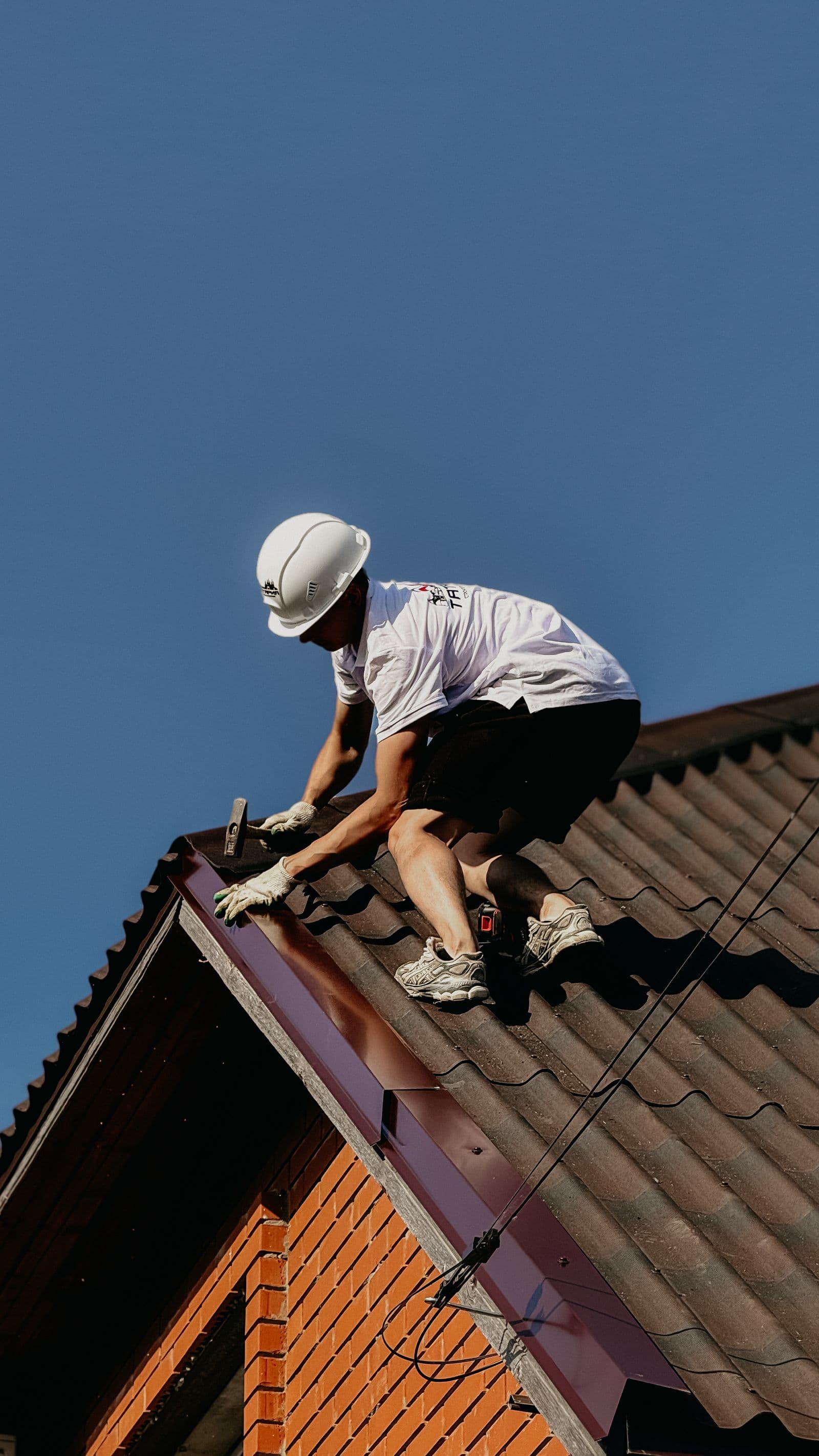
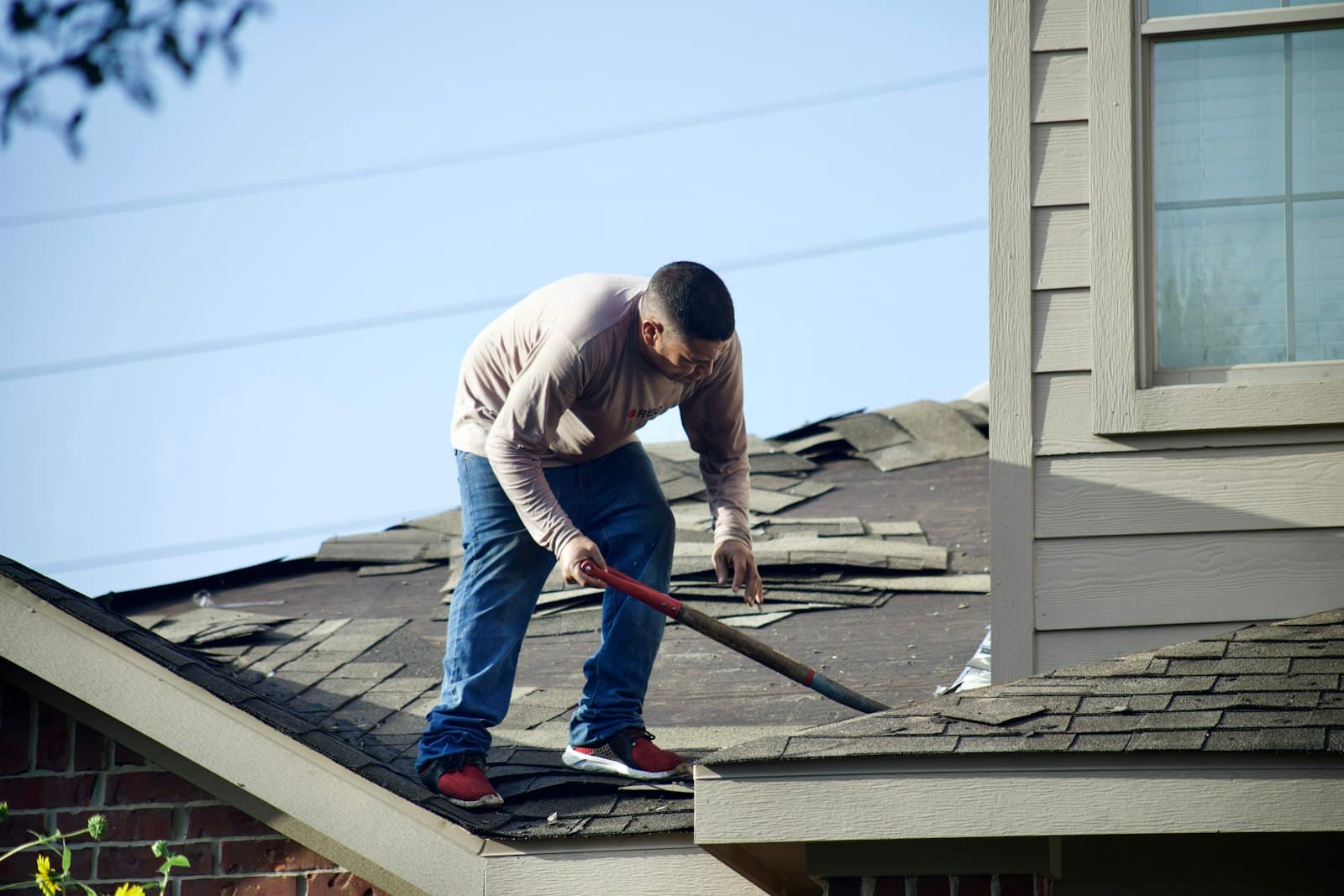
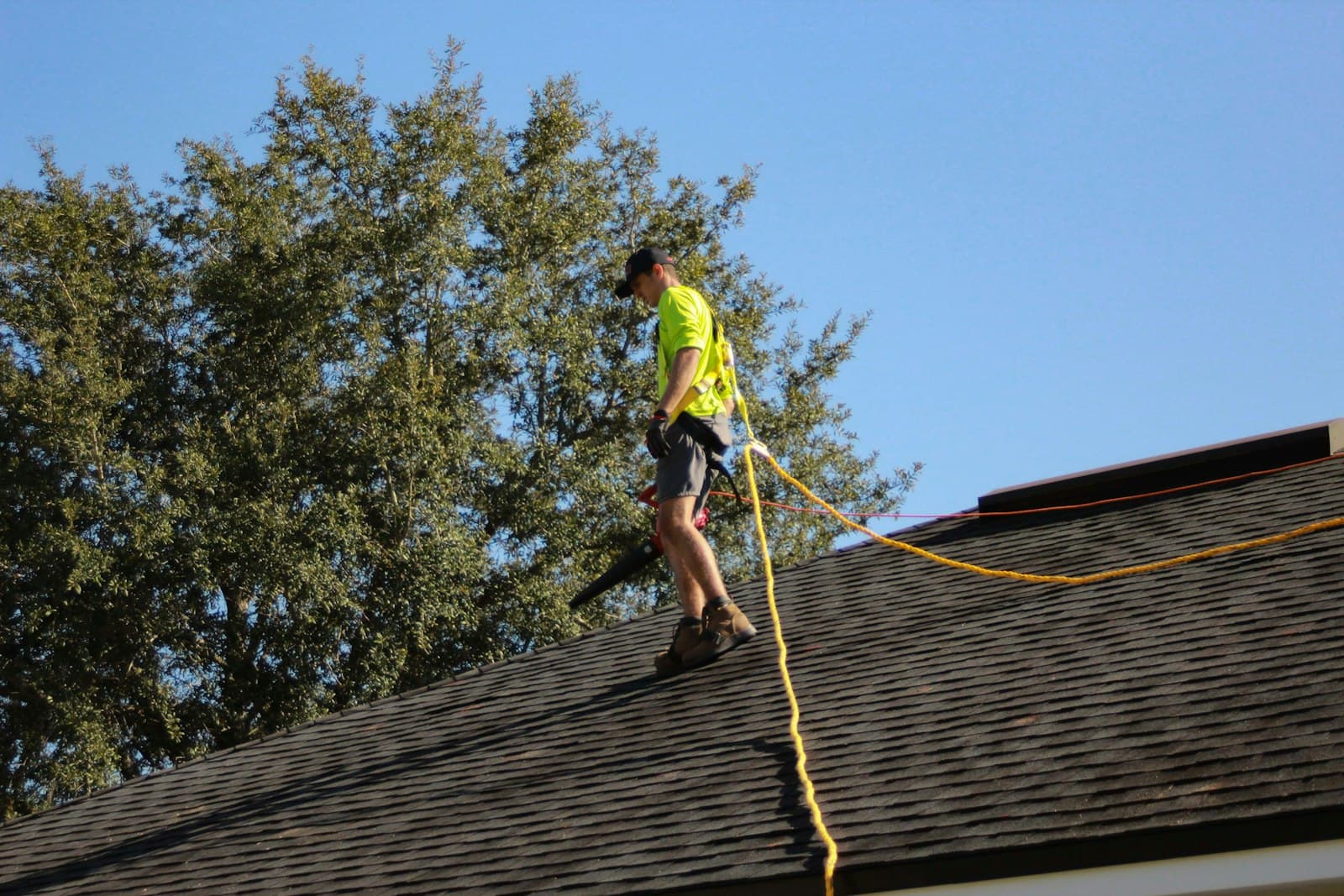
Hurricane season is the annual exam. Storms have crossed this county from both coasts over the years, and everyone local knows the lake takes the wind seriously. After any major storm, a quick professional once-over of cap, crown, flashing, and chase — or even your own look from the ground for anything tilted or missing — catches the small openings before the next months of rain turn them into rot.
Ranch fireplaces, wood stoves, and long idle summers
Winter is real in Okeechobee in a way coastal visitors do not expect. Cold fronts drain south across the open prairie with no terrain to slow them, and clear, still nights after a front can get properly cold. Ranch houses and older homes here were built with fireplaces and wood stoves because they get used — a few dozen nights a year in a normal winter, more in a cold one.
The flip side is the long idle season. From March to November, flues sit unused in punishing humidity, and that idleness causes its own trouble: leftover creosote absorbs moisture and turns acidic against the flue walls, masonry wicks water, and open or badly screened flues become nesting space for birds, squirrels, and wasps. NFPA 211 guidance calls for an annual inspection even when a fireplace rarely burns — a blocked flue does not care how seldom you use it. An annual inspection, with a sweep when buildup warrants, keeps the first fire of the season boring.
Wood stoves deserve a special mention because rural Okeechobee runs on them as backup heat. Stove flues burn slower and cooler than open fireplaces and lay down creosote faster, and stovepipe connections work loose over years of heat cycles. If your stove has gone more than a year without a professional look, put it on the list before the next front.
Humidity, rain, and the slow war on masonry
Between the lake, the marshes, and the summer rain machine, Okeechobee’s air stays loaded with moisture most of the year — and moisture is the patient enemy of every chimney. Brick, block, and mortar absorb it continuously; afternoon thunderstorms recharge it daily from June through September; and because it never freezes hard enough here to force cracks open dramatically, the deterioration stays hidden. It surfaces later as white mineral staining, a musty firebox, rusted dampers, or mortar joints you can rake out with a fingertip. In lake country the cycle never really pauses — even the dry season is damp by any other state’s standards.
The defense is straightforward and cheap compared to the alternative: keep water out from the top with a sound crown and fitted cap, keep it out at the roofline with tight flashing, and slow the constant absorption with breathable chimney waterproofing — a repellent that sheds rain but lets the masonry exhale its trapped vapor. Sealing old masonry with a non-breathable coating does the opposite and accelerates the damage. On metal systems the same moisture shows up as rust — on caps, chase covers, and flue sections — and catching it early is the difference between replacing a part and rebuilding a chase.
If water is already showing up inside — a stain spreading on the ceiling near the chimney, drips in the firebox after a storm — the priority is finding the true entry point. Water travels along framing and masonry before it appears, so the stain is often several feet from the leak. Proper chimney leak repair in Okeechobee starts with tracing, not caulk.

How we work in Okeechobee County
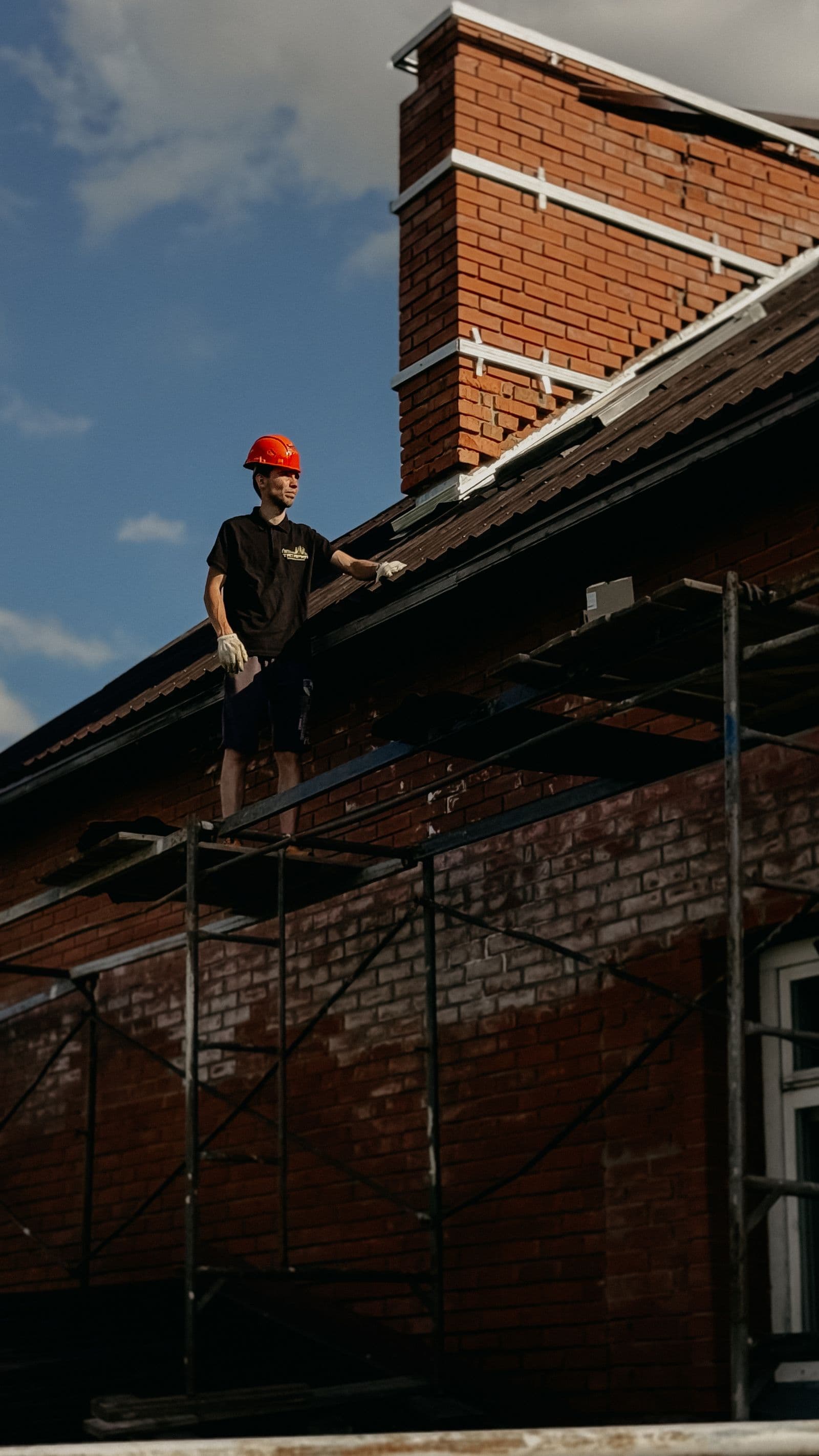
The scope covers what this county actually has on its roofs: sweeps and inspections, leak tracing and repair, caps, crowns, and chase covers, repointing and rebuilds on masonry, relining for older flues and stove conversions, and fireplace repair inside the house. Manufactured-home fireplace systems are part of the regular work, not an exotic exception.
And the way we do business fits a town where reputation travels fast: free written estimate first, upfront pricing agreed before work starts, on-time arrival, and a workmanship warranty in writing with the term stated on your estimate. If the job does not need doing, we say so and leave you with the truth instead of an invoice. For active storm leaks, the emergency line answers around the clock — lake weather does not keep office hours, and neither does that part of our phone.
Coverage runs across the town and the surrounding county — the neighborhoods in Okeechobee proper, the communities strung along the lake’s north shore, and the ranch properties up the highways where the address is more directions than street number. Distance is not a surcharge or an excuse out here: we plan the route, we arrive when we said we would, and the estimate is free and written wherever the chimney happens to stand. If you are not sure whether your corner of the county is in range, call — a real person answers, and the answer is almost always yes.