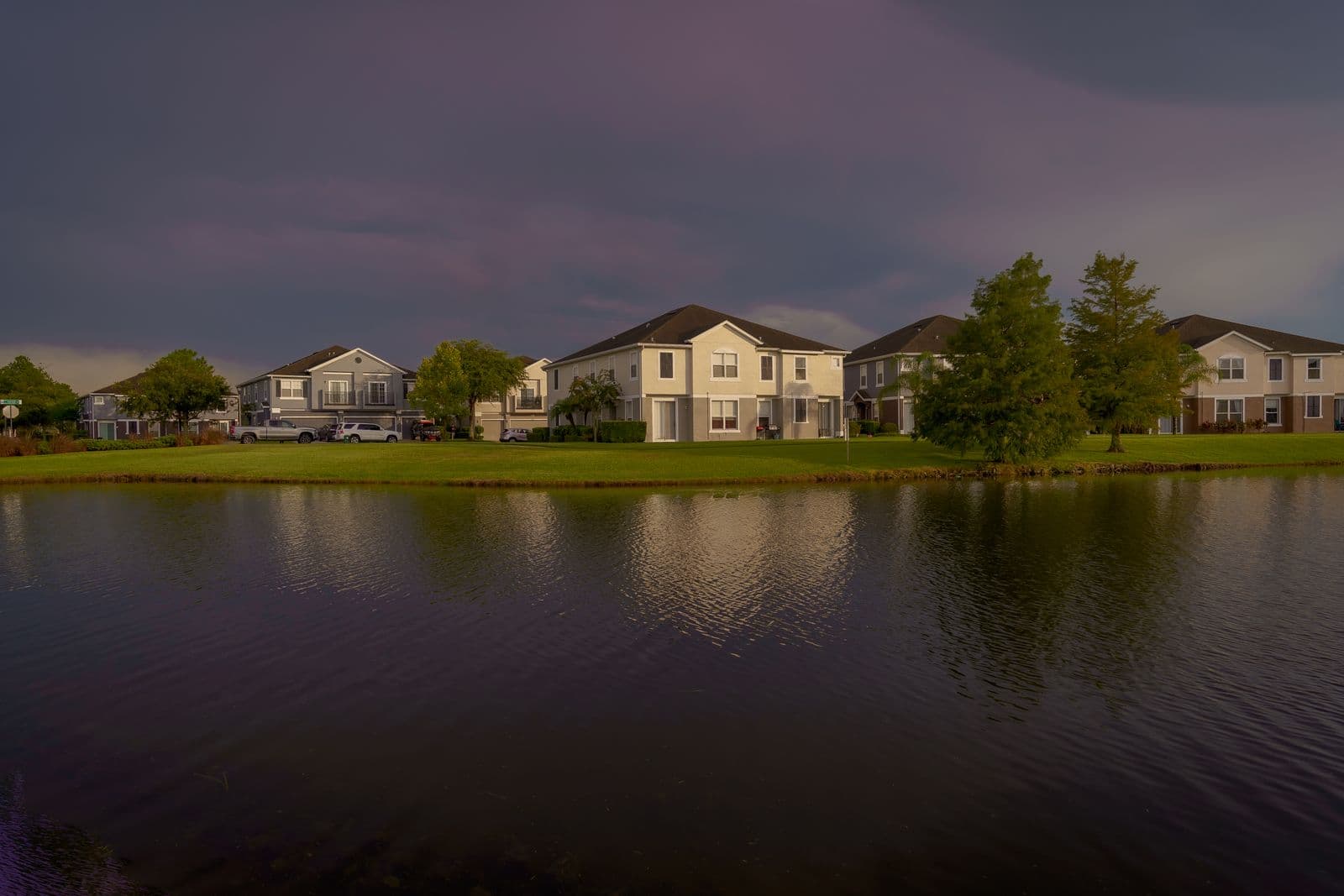
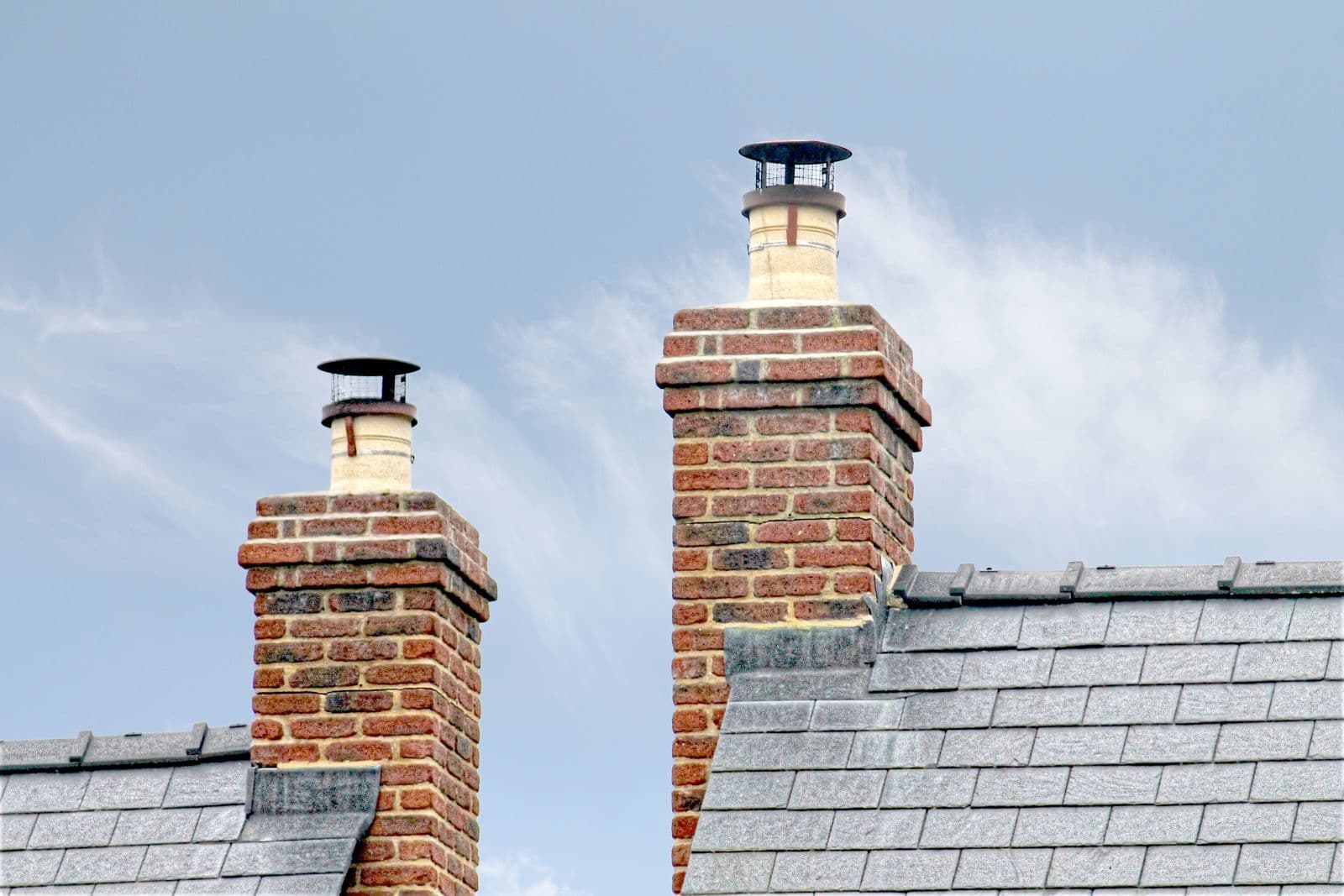
Much of Ocoee was built in the subdivision waves that carried west Orange County outward over the past few decades, largely concrete-block and frame construction, and with it, factory-built fireplaces housed in framed, sided chases rather than brick stacks. From the street these look like chimneys; structurally they're a wood-framed box with a metal flue inside and a sheet-metal chase cover on top. Nothing wrong with that design, until the sheet metal gives out.
The chase cover is the usual first casualty. A flat or badly pitched cover ponds water, rusts from the center out, and starts dripping into the chase long before anything shows inside the house. By the time a stain reaches a ceiling, water may have been working on framing and firebox surround for seasons. A rusting cover is a replace-it item, not a seal-it item, and chase cover repair with a properly cross-broken, correctly pitched replacement is one of the highest-value fixes a newer Ocoee home can get. The same goes for the cap above it: a missing or undersized cap lets rain and animals straight into the flue, and a fitted chimney cap is cheap protection against both.
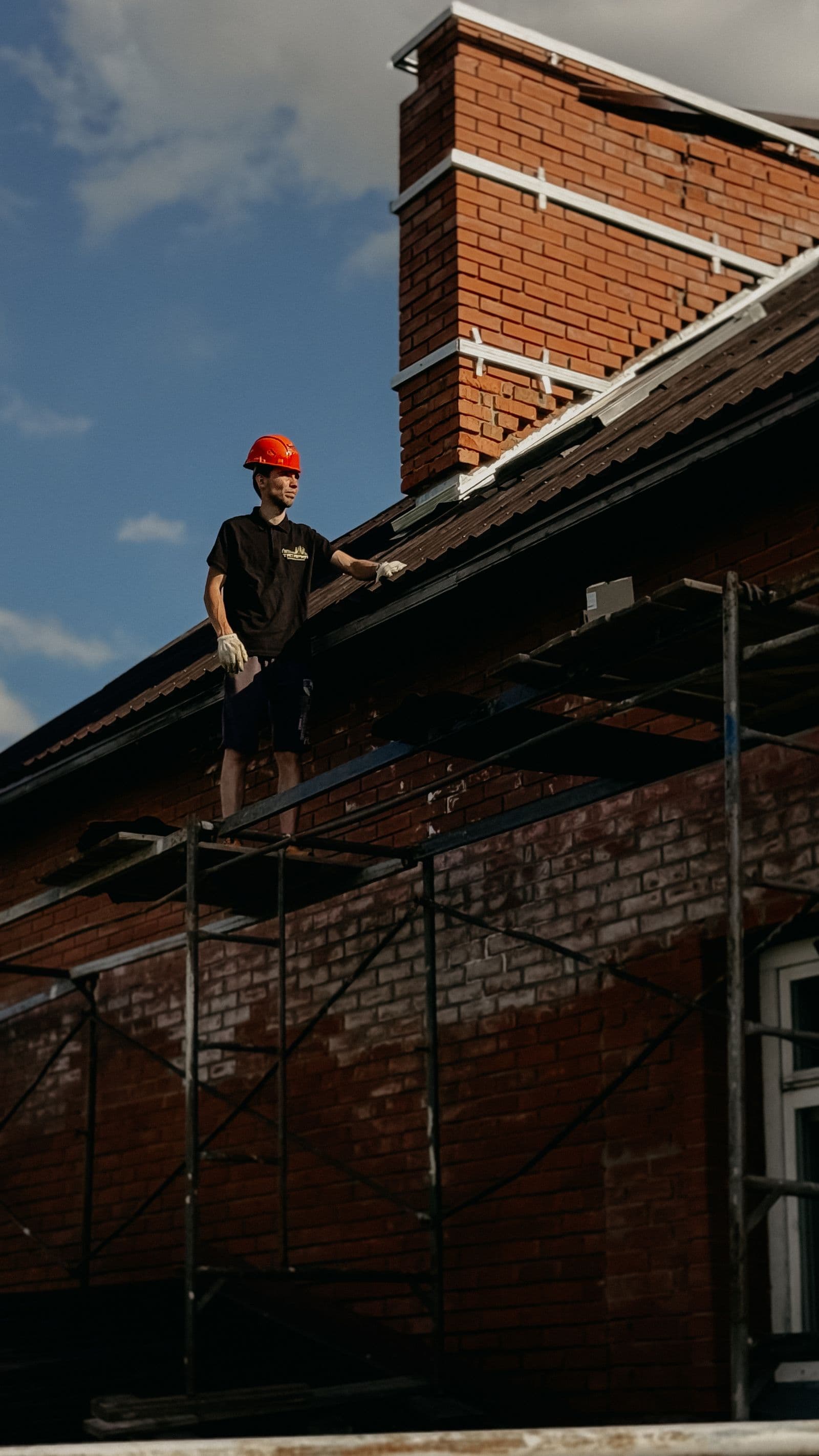
Ocoee isn't all new, though. On older streets and in homes from earlier eras scattered through the city, you're more likely to find genuine masonry chimneys: brick, mortar joints, and a poured crown that takes the weather first. Those need a different trade entirely: real masonry work for eroded joints and spalled brick, and crown repair when the top of the stack cracks and starts feeding water into the structure. The chimney type and observed condition should be evaluated before any repair scope or materials are proposed.