Proudly American-Owned

Chimney & Fireplace Company in Minneola, FL

Request a chimney repair and fireplace company serving Minneola, FL. A technician can visit your property and give a free estimate.

Free Minneola Estimate

10% OFFFirst service

Family-Owned

A family-owned company serving Minneola properties.

Proudly American-Owned

An American-owned chimney and fireplace company.

Free Estimate Visit

A technician can visit the property and provide a free estimate.

Local Chimney Repair & Fireplace Specialists Serving Minneola, FL

Minneola climbs the ridges on the shore of Lake Minneola, in the famously hilly corner of south Lake County where citrus country turned into some of Central Florida’s fastest-growing subdivision territory. Chimneys up here deal with hilltop wind, lightning-alley storms, and inland winters that get genuinely cold.

Name the symptom at the Minneola address, then open the matching page: chimney repair in Minneola, chimney sweeping, inspection, leak repair, cap replacement, crown repair, flashing repair, waterproofing, masonry repair, relining, rebuild, hurricane repair, gas fireplace repair, animal removal, or fireplace repair. The technician estimate visit is free.

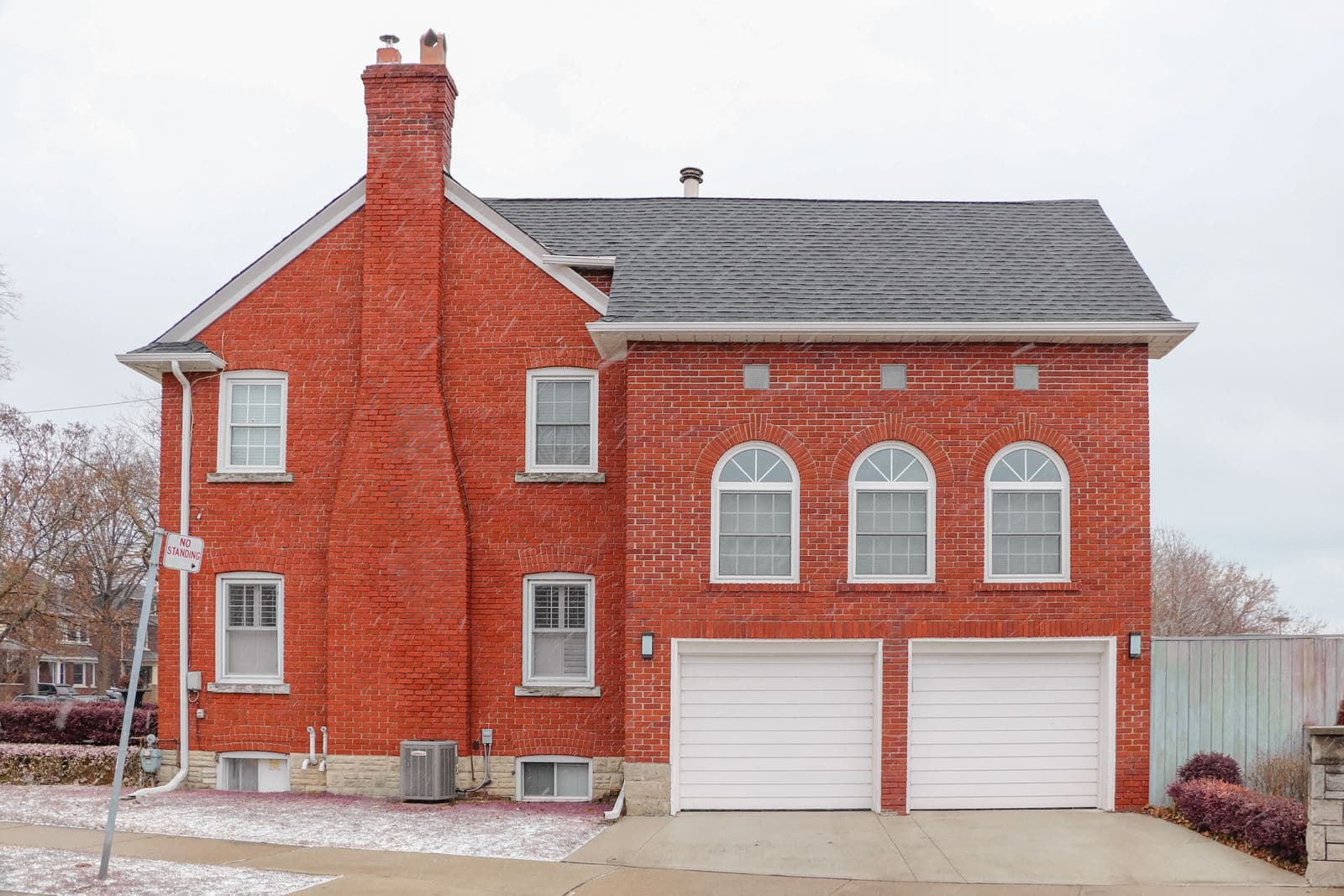
A red brick house with a chimney

What happens next

How chimney and fireplace service works in Minneola

The estimate visit is separate from any paid work, so you can review the estimate before deciding.

  1. Tell us what you are seeing

    Call or send the estimate form with the service or concern you want reviewed. Include your property's ZIP code in Minneola.

  2. Get a free estimate visit

    A technician can visit the property and provide a free estimate for chimney or fireplace service.

  3. Approve the work before it begins

    Paid work requires a deposit. If you cancel after paying the deposit, the company retains it.

Understanding Minneola properties

Chimneys on the hills of south Lake County

Most of Florida is flat. Minneola isn’t. South Lake County holds some of the highest ground on the Florida peninsula, and the town’s streets roll up and over real hills, the kind cyclists drive across the state to train on. That topography is scenic, but it changes what a chimney lives through. A stack on a ridge-top lot has no tree line and no neighboring rooftops running interference; it takes wind, driving rain, and summer sun full-on, from every direction, all year. The same exposure that gives a Minneola back porch its view is what wears out caps, crowns, and sealant faster than the flatland Florida average.

Wind-driven rain is the specific troublemaker. A vertical afternoon downpour mostly tests the crown; rain arriving sideways on a gusty front tests everything: mortar joints, siding-to-chimney transitions, the skirt of the cap, and above all the flashing where the stack meets the roof. On an exposed hillside home, chimney flashing repair is one of the most common fixes for a ceiling stain that appeared after a windy storm, because flashing that was merely tired on a sheltered lot fails outright on an open one.

The cap matters more up here too. A loose or undersized cap on a wind-swept ridge doesn’t just let rain spit down the flue. It can lift, rattle, and eventually leave entirely, usually mid-storm. A properly sized and anchored chimney cap is cheap insurance on any Florida house; on an elevated Minneola lot it’s closer to mandatory equipment.

From citrus groves to subdivisions: what Minneola homes are built with

Minneola grew up as a small citrus town along the old highway, and the hills around it were grove land for generations. The hard freezes of the 1980s ended that era across Lake County, and over the decades since, the groves have given way to rooftops, first steadily, then rapidly as growth pushed up the US 27 corridor and out toward Florida’s Turnpike. The result is a housing stock that skews new: concrete-block and frame construction from the 1990s through brand-new builds, most of it in planned subdivisions.

That matters for chimney work, because newer Florida homes rarely carry full masonry chimneys. What they have instead is a factory-built fireplace venting through a metal flue inside a framed, sided chase, the boxy chimney-shaped structure on the roofline. The weak point of that system is the chase top: a sheet-metal cover that pans rain away from the framing. When it rusts through, ponds water, or was never pitched correctly to begin with, water drips quietly into the chase and shows up later as stains, rot, or a musty smell near the fireplace. Chase cover repair and a correctly fitted cap may address common cap- and cover-related water-entry paths when those components are the source: small parts, outsized consequences.

Older flue liners can crack or shift where the condition is not visible from the room. Whether relining or another repair is appropriate depends on a separately scoped inspection and system compatibility; any proposed recommendation depends on the condition at the property.

Inland winters that actually get cold

There’s a reason Lake County’s citrus history ended the way it did: real cold reaches here. Minneola sits inland, away from the ocean’s moderating warmth, and on clear winter nights the temperature falls further than newcomers expect, into the 30s during a decent cold snap, with frost on the rooftops some mornings and a genuine freeze in the harder years. When a front like that settles over the hills, fireplaces that sat idle since spring suddenly burn for several nights straight.

That stop-start rhythm is exactly what catches homeowners out. Creosote, the flammable residue every wood fire leaves in the flue, builds quietly during last winter’s burns, then sits through nine humid months waiting. The first cold night is the wrong time to discover a problem. A chimney sweep in October or November clears last season’s deposits and confirms the damper, smoke chamber, and flue are ready before you need them, and it beats calling in January when every sweep serving Lake County is booked solid.

A separately scoped chimney inspection may evaluate the flue and relevant components. A technician can visit the property and give a free estimate.

Storm season in lightning alley

Central Florida is the lightning capital of the country, and Minneola gets its summer rain the regional way: a violent hour most afternoons from June into September. Your chimney is the highest, most exposed thing on the house (on a hilltop lot, often the highest thing on the street), and it takes those storms head-on. Hairline cracks in a masonry crown drink water into the structure, tired flashing lets it into the ceiling, and bare brick can absorb a startling amount of rain across a single storm season.

Chimney leaks rarely announce themselves at the chimney. They show up as a stain on the ceiling a few feet away, paint peeling in a corner, or a damp smell in a room you rarely use, often weeks after the water first got in. Chimney leak repair starts with finding the actual entry point (crown, flashing, cap, chase top, or saturated masonry), because sealing the wrong spot doesn’t stop water, it just reroutes it somewhere harder to trace.

A breathable water repellent may help masonry shed storm water while allowing vapor to escape when absorbent masonry is part of the concern; suitability depends on the observed condition. Hurricane season adds its own chapter: Minneola’s inland hills see no storm surge, but crossing systems still drag tropical rain bands and gusty wind over Lake County, enough to strip a loose cap or lift tired flashing. After any storm passes close, look from the ground for anything visibly shifted, missing, or newly stained. For a chimney fire, suspected carbon monoxide or gas, an unstable chimney, or another immediate danger, leave the area and call 911 or the utility first.

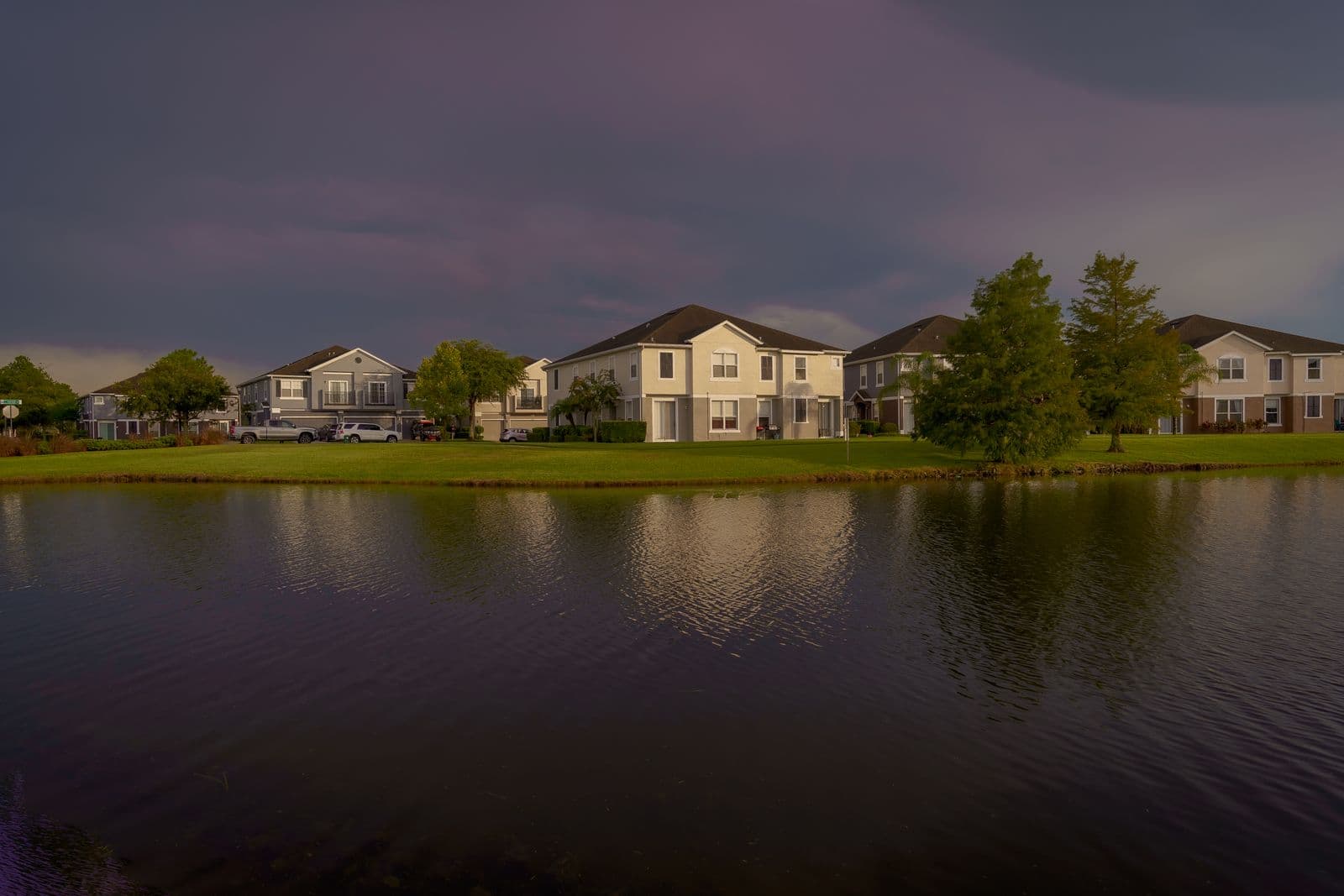
Straightforward chimney help, the Minneola way

NFPA 211, the fire-safety standard for chimneys and fireplaces, recommends an annual inspection even for lightly used systems, and Minneola’s combination of real burn nights, hilltop exposure, and brutal wet summers makes that guidance worth taking seriously. For a chimney fire, suspected carbon monoxide or gas, an unstable chimney, or another immediate danger, leave the area and call 911 or the utility first.
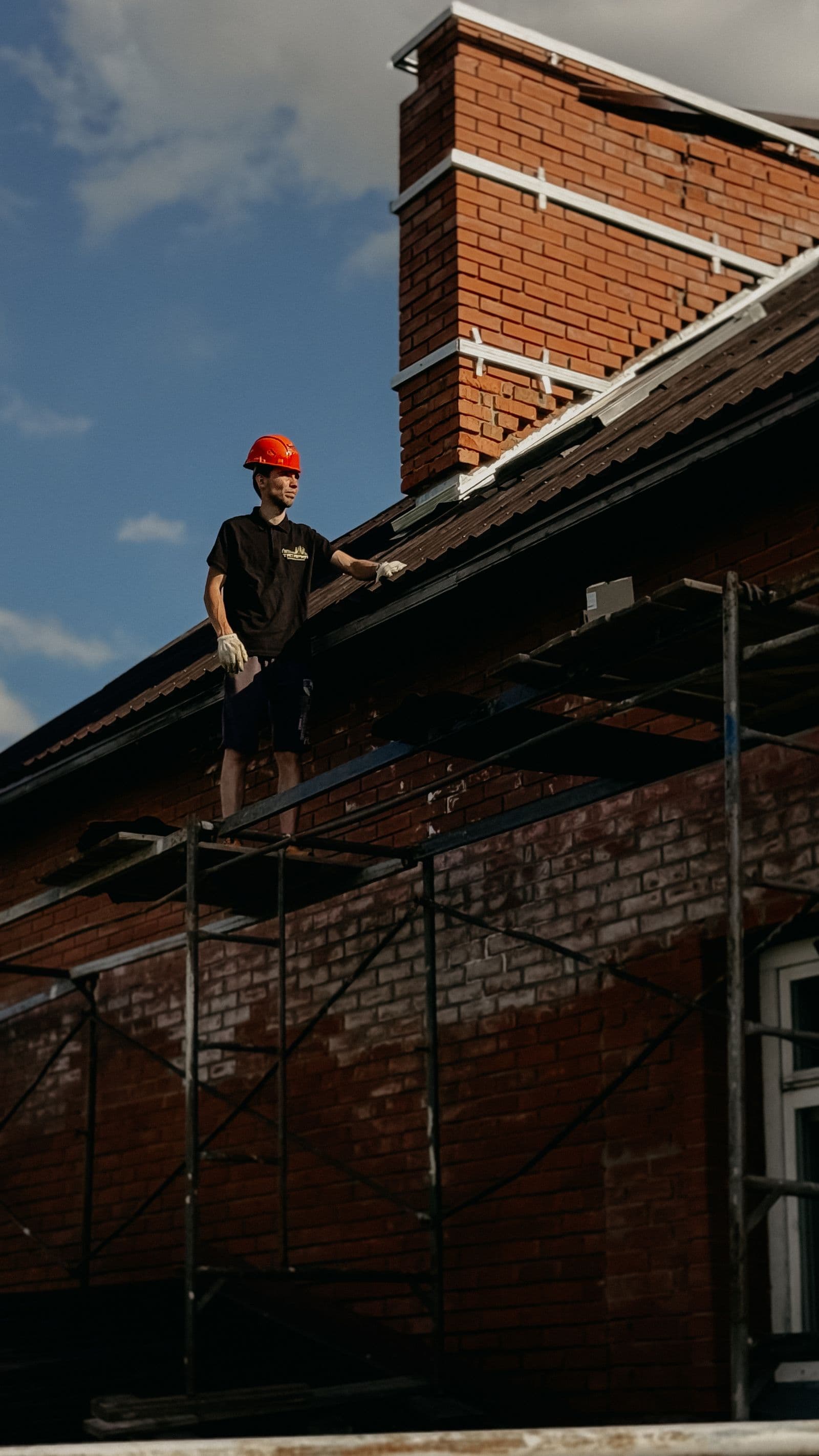
A technician can visit the property and give a free estimate.

Talk with our team

Need chimney and fireplace service in Minneola?

Tell us what you are seeing and include your property's ZIP code. We will use those details to understand the service request.

Frequently Asked

Minneola Chimney Repair & Fireplace Service Questions

How often should a Minneola fireplace be swept?
NFPA 211 guidance is an inspection every year, with sweeping whenever deposits warrant it. Minneola’s inland cold snaps mean more real burn nights than coastal Florida, so an annual rhythm genuinely fits here. The smart timing is early fall: get the flue cleared and checked before the first front, when demand spikes and every sweep serving Lake County books up fast.
Do the hills around Minneola really affect chimney wear?
Yes, in a specific way: exposure. A chimney on a ridge-top lot takes wind and wind-driven rain from every direction with nothing running interference, so caps, crowns, sealant, and flashing age faster than they would on a sheltered flatland street. It’s not dramatic year to year. It’s cumulative, which is exactly why an annual look matters more up here.
My newer Minneola home has a fireplace in a sided chase. What usually goes wrong?
A cap, cover, or other repair may address the concern when the assessment identifies that component as the source. The recommendation depends on the condition at the property; no outcome is guaranteed before the condition is evaluated.
Does it actually freeze in Minneola?
It does. Lake County’s citrus era ended because of hard freezes, and clear winter nights here still drop into the 30s with frost in a decent cold snap. That matters for masonry: brick that goes into a freeze saturated from storm season can spall as the water inside expands. Waterproofing and a sound crown close that loop before winter.
What do chimney repairs in Minneola usually cost?
Honest answer: it depends on which part of the chimney failed, and that is not something anyone can tell you over the phone. A cap swap and a crown that has to be re-cast are different jobs on the same chimney. What moves the number is roof access and stack height, the materials appropriate to the chimney and its exposure, how far the failure has already run, and whether several items can share one visit instead of three separate trips. A technician can visit the property and give a free estimate. Every approved paid job requires a deposit. If you cancel after paying the deposit, the company keeps it.
I found a water stain near my fireplace after a storm. Is it definitely the chimney?
Often, but not always, and that’s the point of diagnosing before sealing. Chimney leaks travel: water entering at the flashing or chase top can surface as a stain several feet away. On Minneola’s exposed lots, wind-driven rain finds openings vertical storms never test. A proper leak inspection traces the actual entry point first, so the repair stops the water instead of rerouting it.

Ready to schedule chimney service in Minneola?

Tell us what you are seeing, include your property's ZIP code, and call to request a technician estimate visit.