Proudly American-Owned

Chimney & Fireplace Company in Lake Mary, FL

Hire a chimney repair and fireplace company serving Lake Mary, FL for repair, sweeping, inspection, or installation. Request a free technician estimate visit.

Free Lake Mary Estimate

10% OFFFirst service

Family-Owned

A family-owned company serving Lake Mary properties.

Proudly American-Owned

An American-owned chimney and fireplace company.

Free Estimate Visit

A technician can visit the property and provide a free estimate.

Local Chimney Repair & Fireplace Specialists Serving Lake Mary, FL

Lake Mary is a planned-community suburb in Seminole County's I-4 corridor, named for the lake it grew around and built out mostly in the last few decades. That newer housing stock makes chase covers, caps, and storm exposure on framed fireplace systems especially relevant.

Name the symptom at the Lake Mary address, then open the matching page: chimney repair in Lake Mary, chimney sweeping, inspection, leak repair, cap replacement, crown repair, flashing repair, waterproofing, masonry repair, relining, rebuild, hurricane repair, gas fireplace repair, animal removal, or fireplace repair. The technician estimate visit is free.

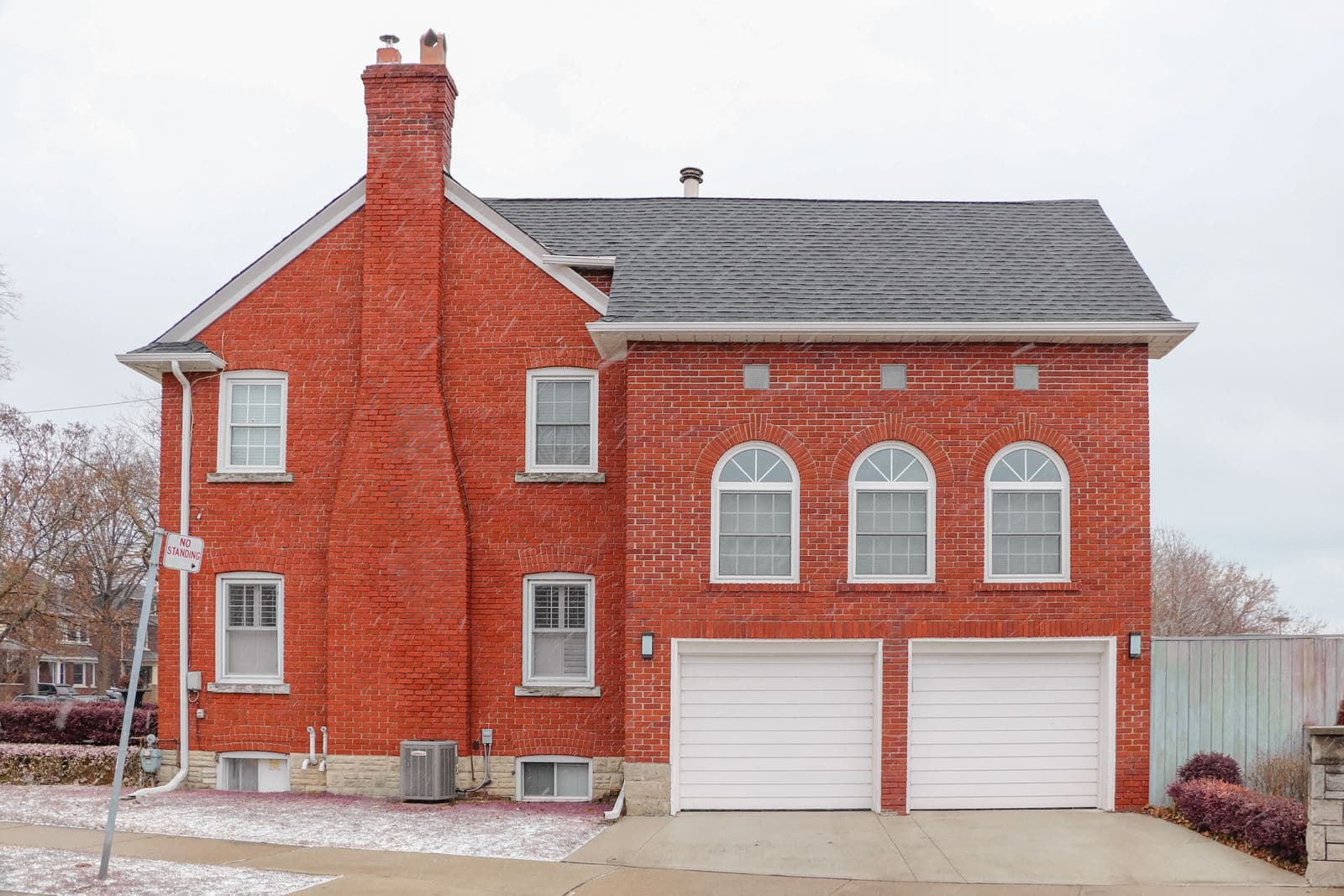
A red brick house with a chimney

What happens next

How chimney and fireplace service works in Lake Mary

The estimate visit is separate from any paid work, so you can review the estimate before deciding.

  1. Tell us what you are seeing

    Call or send the estimate form with the service or concern you want reviewed. Include your property's ZIP code in Lake Mary.

  2. Get a free estimate visit

    A technician can visit the property and provide a free estimate for chimney or fireplace service.

  3. Approve the work before it begins

    Paid work requires a deposit. If you cancel after paying the deposit, the company retains it.

Understanding Lake Mary properties

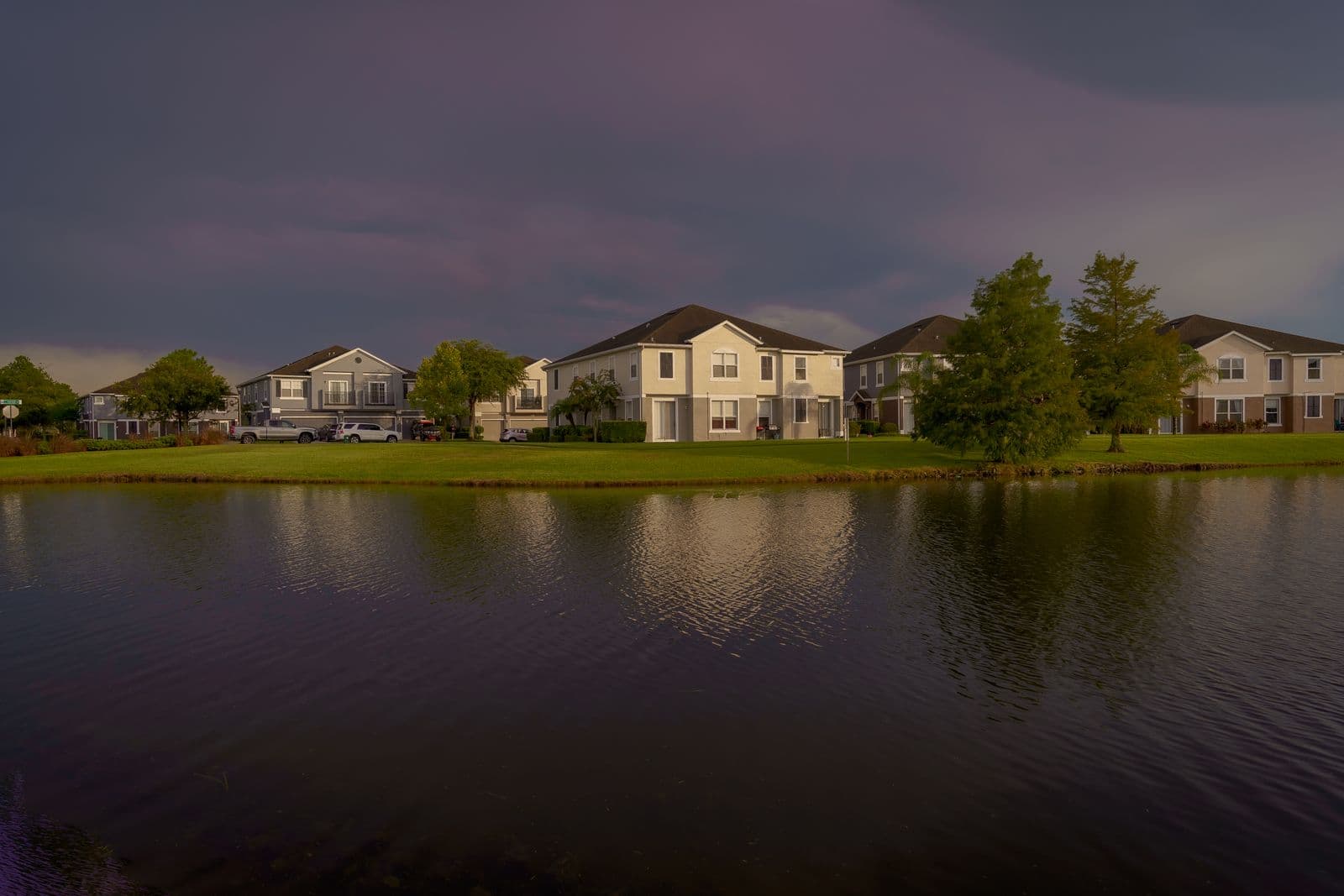
Lake Mary's housing stock: mostly chases, not old brick

Drive through Lake Mary and the pattern is obvious: master-planned subdivisions, tree-lined streets, and homes that went up during Central Florida's long suburban boom rather than a hundred years ago. Most fireplaces here are factory-built units housed in a framed, sided chase (a wooden box dressed to look like a chimney) with a metal flue running up the middle and a sheet-metal chase cover on top. It's a perfectly good system, but it fails differently than solid masonry, and it fails quietly.

The usual sequence starts at the top. Chase covers are often builder-grade galvanized steel, and after years of Florida sun, rain, and standing water in a flat spot, they rust through, first as staining down the siding, then as actual holes. Water that gets past a failed cover runs down inside the chase where nobody can see it, soaking framing and rusting the firebox from above. A properly fitted, correctly pitched replacement through chase cover repair stops that entire chain, and a sound chimney cap over the flue itself keeps rain and animals out of the pipe.

That said, Lake Mary isn't all one vintage. Some homes, especially larger custom builds around the lakes and in the town's older pockets, carry genuine masonry chimneys, with crowns, mortar joints, and flashing that need traditional attention. The chimney type and observed condition should be evaluated before any repair scope or materials are proposed.

Short winters, sudden burn seasons

Central Florida winters don't ask much of a fireplace. Until they suddenly do. Seminole County sits far enough inland and far enough north that real cold snaps roll through most winters, with nights in the 30s and the occasional frost on the windshield. When one of those fronts settles over the Orlando area, fireplaces that have sat cold since spring all light up the same week. That burst pattern (months of nothing, then heavy use for a stretch) is exactly when neglected flues cause trouble, because whatever built up over the idle year meets fire all at once.

Even a lightly used fireplace deposits creosote in the flue, and a flue that has spent the humid off-season collecting moisture, debris, or a bird's nest is not ready for a week of nightly fires. A chimney sweep in the fall, before the first front and not after, clears last season's residue and confirms the damper and flue are ready to run. It also beats the January rush, when the first cold night sends half of Seminole County to the phone at once.

The other half of readiness is simply knowing what you have. Factory-built fireplaces have parts that age (refractory panels, dampers, gaskets), and masonry fireboxes develop cracks that firelight makes hard to spot. An annual chimney inspection is the low-drama way to catch those things in October instead of discovering them mid-burn. NFPA 211, the fire-safety standard for chimneys and fireplaces, recommends annual inspection even for systems that barely get used. A Lake Mary fireplace is the definition of a system that barely gets used, right up until the week it gets used hard.

Lightning alley and the afternoon storm machine

Central Florida is famously one of the most lightning-prone places in the country, and from June into September the Lake Mary area gets its rain the local way: a towering afternoon thunderstorm, an hour of violence, then steam. Your chimney, masonry or chase, is the tallest, most exposed thing on the house, and it takes those storms head-on all summer long. Wind-driven rain finds gaps that vertical rain never tests, and a summer's worth of daily soakings will exploit any weakness at the top of the stack.

On masonry chimneys, the usual entry points are a hairline-cracked crown, tired flashing where the chimney meets the roof, and bare brick that simply drinks water. On chase systems, it's the cover seams and the siding joints. Either way, the leak rarely shows up at the chimney itself. It appears as a ceiling stain a few feet away, a peeling corner of paint, or a musty smell in a room you don't use. Real chimney leak repair starts with finding the actual entry point, because sealing the wrong spot doesn't stop water, it just moves it.

Prevention is cheaper than chasing stains. For masonry, a breathable water repellent applied ahead of the wet season (the kind that sheds rain but lets trapped vapor escape) keeps brick from spending the summer saturated; that's the core of chimney waterproofing done right. For crowns showing their age, a proper repair before June closes the single most common leak path. And when a tropical system drags its rain bands across Seminole County (Lake Mary is well inland of any surge, but the wind and sideways rain still arrive), a quick ground-level look at the stack afterward is a habit worth keeping.

Humidity, oak canopy, and uninvited guests

For the nine months a Lake Mary fireplace sits idle, the local climate keeps working on it. For a chimney fire, suspected carbon monoxide or gas, an unstable chimney, or another immediate danger, leave the area and call 911 or the utility first. The result is the familiar musty 'fireplace smell' homeowners notice in July, plus slow, invisible corrosion of dampers, chase covers, and firebox components. A chimney in this climate ages year-round even if it only works in January.

The mature live oaks that shade Lake Mary's neighborhoods add their own contribution: leaves, catkins, and twigs that collect on caps and covers, hold moisture against the metal, and wash into gutters and flue openings with every storm. An uncapped or badly capped flue is also an open invitation in a suburb this green. Raccoons, squirrels, and nesting birds treat an open chimney as premium real estate, and some nests can't legally be moved until the season allows. Humane chimney animal removal deals with the current tenants; a proper cap keeps the vacancy from reopening.

None of this demands much from a homeowner. It demands a rhythm. A yearly look at the system, a cap and cover in good condition, and a flue that gets cleared before burn season will carry a Lake Mary chimney through decades of Florida weather. Simple chimney maintenance on that cadence costs a fraction of what deferred water damage costs, and it means the fireplace is simply ready when that first cold front shows up on the forecast.

Straightforward chimney help, the Lake Mary way

A separately scoped chimney inspection may evaluate the flue and relevant components. A technician can visit the property and give a free estimate.

Appointment length and availability are confirmed separately.

Talk with our team

Need chimney and fireplace service in Lake Mary?

Tell us what you are seeing and include your property's ZIP code. We will use those details to understand the service request.

Frequently Asked

Lake Mary Chimney Repair & Fireplace Service Questions

How often does a Lake Mary fireplace really need attention?
A separately scoped chimney inspection may evaluate the flue and relevant components. A technician can visit the property and give a free estimate.
My Lake Mary home has a factory-built fireplace in a sided chase. Do you work on those?
Yes. That's the most common system in Lake Mary's subdivisions, and it has its own failure points: rusted chase covers, missing caps, aging refractory panels, and water sneaking into the framed chase. The fixes are usually smaller than masonry work, but catching them early matters just as much, because water inside a wooden chase does expensive, invisible damage.
Why does my chimney smell musty every summer in Lake Mary?
Humidity. Inland Central Florida air stays damp from late spring through fall, and a closed flue holds that moisture against months of soot, which produces the classic musty fireplace odor. It can also signal rain getting past a tired cap or cover. A cleaning plus a check of the cap, damper seal, and chase top usually solves both the smell and its cause.
Can afternoon thunderstorms actually damage a chimney in Lake Mary?
Over a summer, absolutely. Central Florida's daily storms drive rain sideways into crowns, flashing, and chase-cover seams, and the leak usually surfaces as a ceiling stain a few feet from the chimney rather than at the chimney itself. The stack is the most exposed part of the house, so it takes the worst of storm season, which is why the water-side checkup belongs in late spring.
What do chimney repairs around Lake Mary usually cost?
Honest answer: it depends on which part of the chimney failed, and that is not something anyone can tell you over the phone. A cap swap and a crown that has to be re-cast are different jobs on the same chimney. What moves the number is roof access and stack height, the materials appropriate to the chimney and its exposure, how far the failure has already run, and whether several items can share one visit instead of three separate trips. A technician can visit the property and give a free estimate. Every approved paid job requires a deposit. If you cancel after paying the deposit, the company keeps it.
Something is scratching inside my chimney in Lake Mary. What now?
Don't light a fire, and keep the damper closed. Lake Mary's oak canopy makes open flues attractive to raccoons, squirrels, and nesting birds, and some active nests are legally protected until the young leave. Humane removal clears the current occupants, and a properly fitted cap keeps the flue from reopening as wildlife housing. It's one of the most common calls in leafy Seminole County suburbs.

Ready to schedule chimney service in Lake Mary?

Tell us what you are seeing, include your property's ZIP code, and call to request a technician estimate visit.