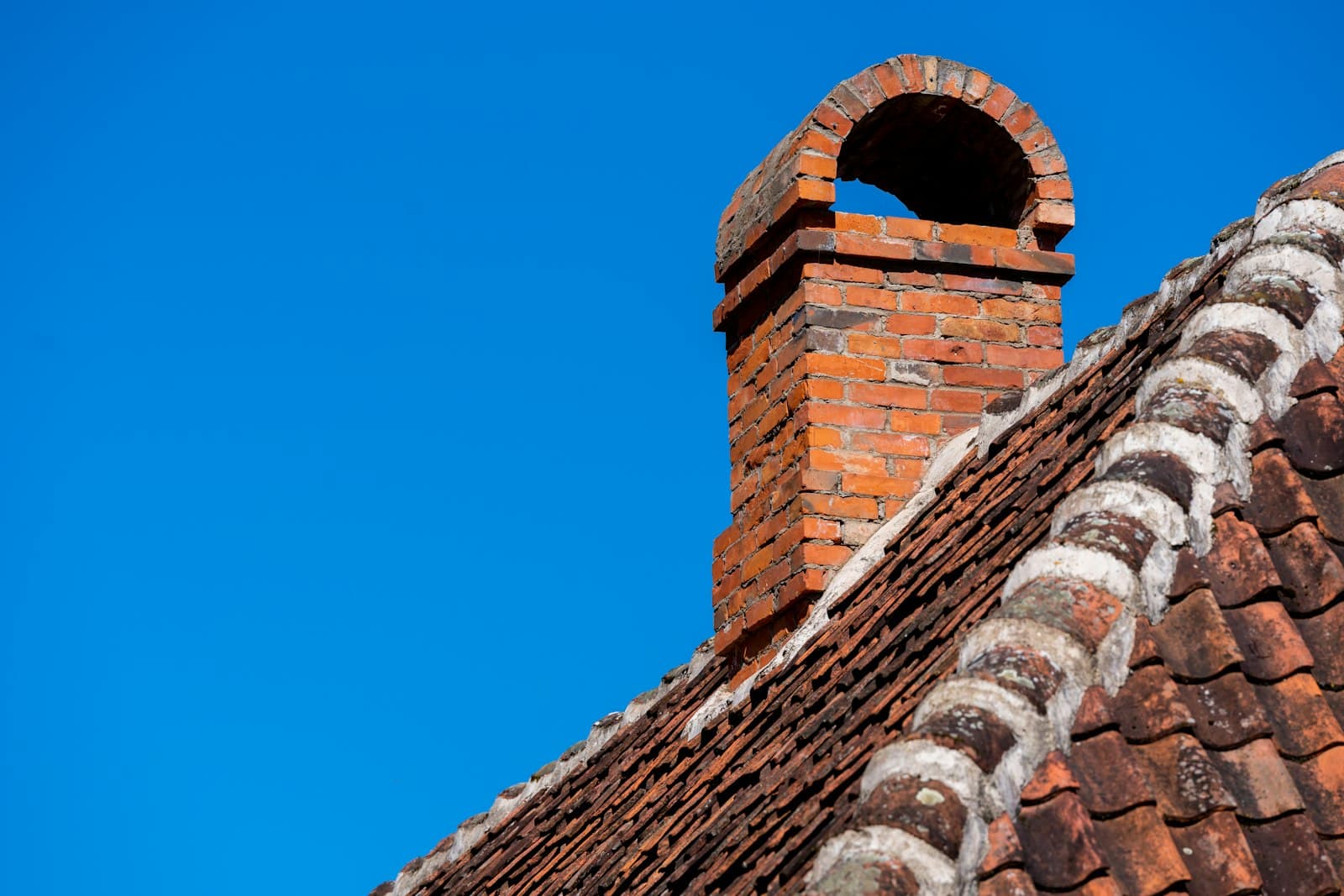
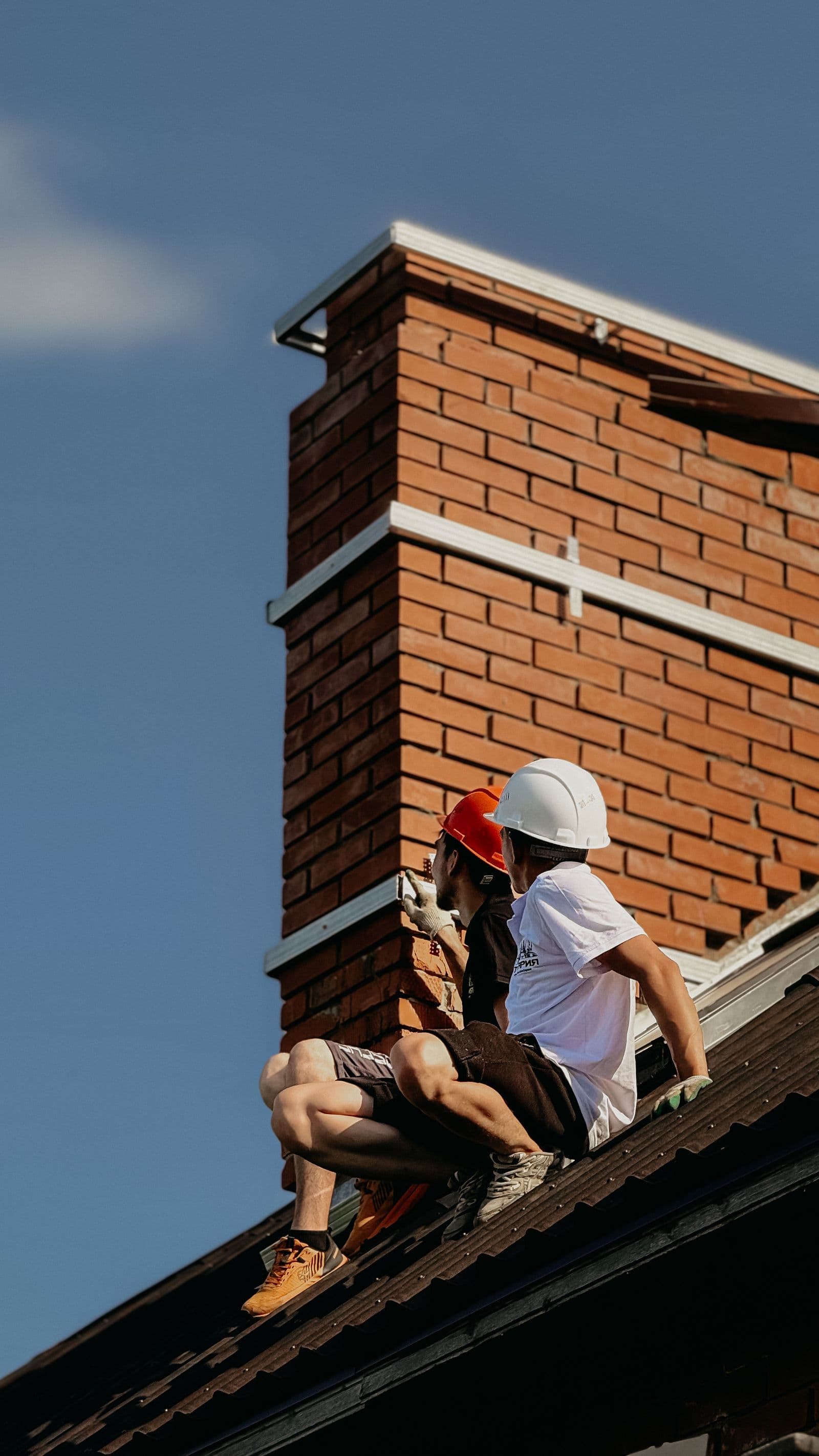
From June into September, Lady Lake gets its rain the inland-Florida way, a violent hour most afternoons, often with some of the most frequent lightning in the country overhead. Central Florida's interior is the heart of America's lightning alley, and your chimney or chase is the tallest, most exposed thing on the house. Wind-driven rain tests every seam: the crown or chase top, the flashing where the structure meets the roof, and every joint in between.
Chimney leaks rarely announce themselves at the chimney. They show up as a tea-colored ceiling stain a few feet away, paint bubbling in a corner, or a damp smell in a room you rarely use, and by the time you see any of that, water has been getting in for a while. Real chimney leak repair starts with finding the actual entry point, because caulking the wrong spot doesn't stop the water, it just reroutes it. On masonry systems that often means the crown or saturated brick; on chase-built systems it's usually the cover or the flashing.
Prevention is cheap by comparison. On masonry, a breathable water repellent (the kind that sheds rain but lets trapped vapor escape) goes on best in the drier months and protects the structure through the whole storm season. Chimney waterproofing ahead of the summer pattern, plus a two-minute ground-level look after any storm that visibly moved something, is the cadence this climate rewards. Hurricane season adds its own chapter: Lady Lake's inland position spares it storm surge, but crossing systems still drag tropical rain bands and gusty wind across Lake County, enough to lift a loose cap or peel back tired flashing.