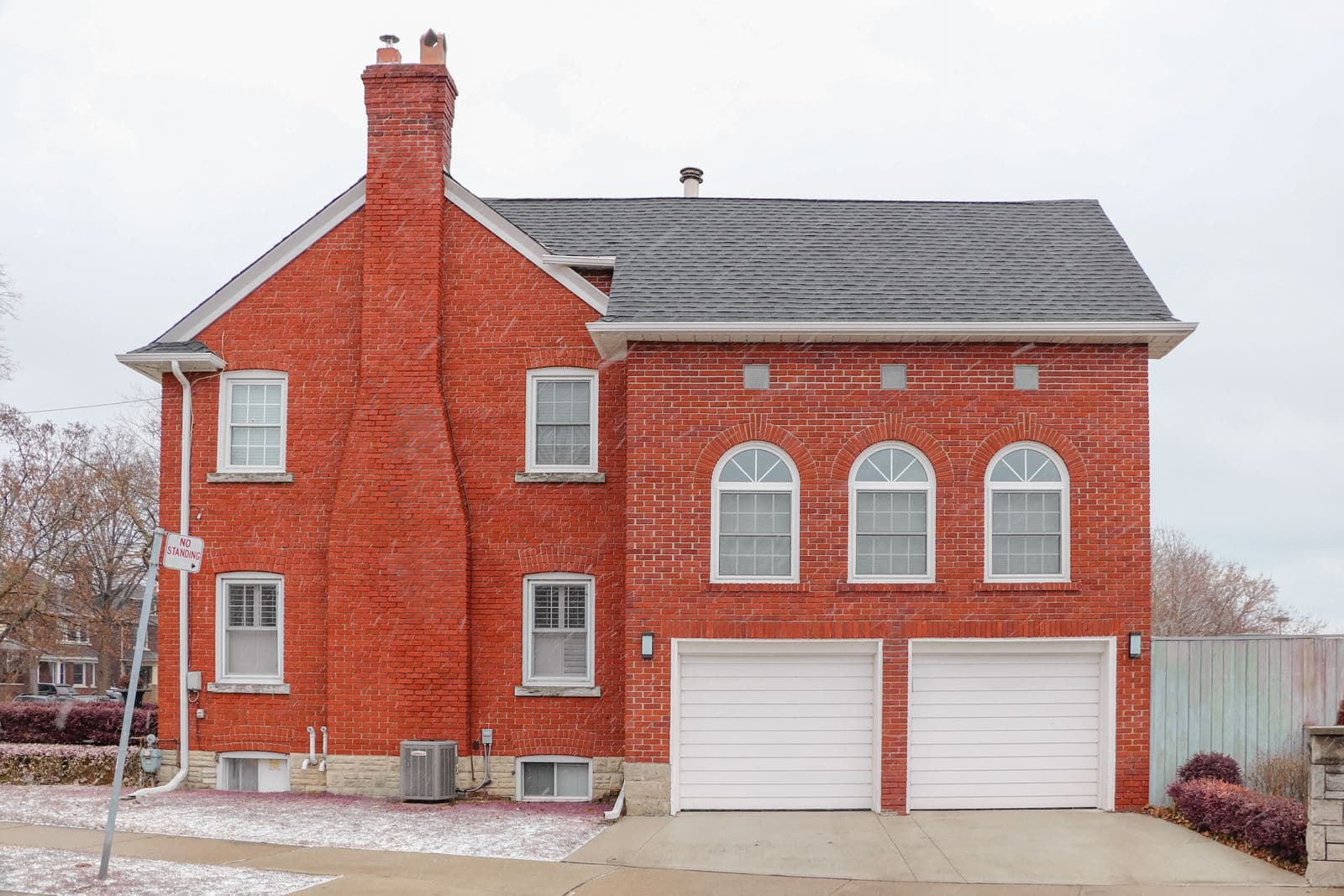
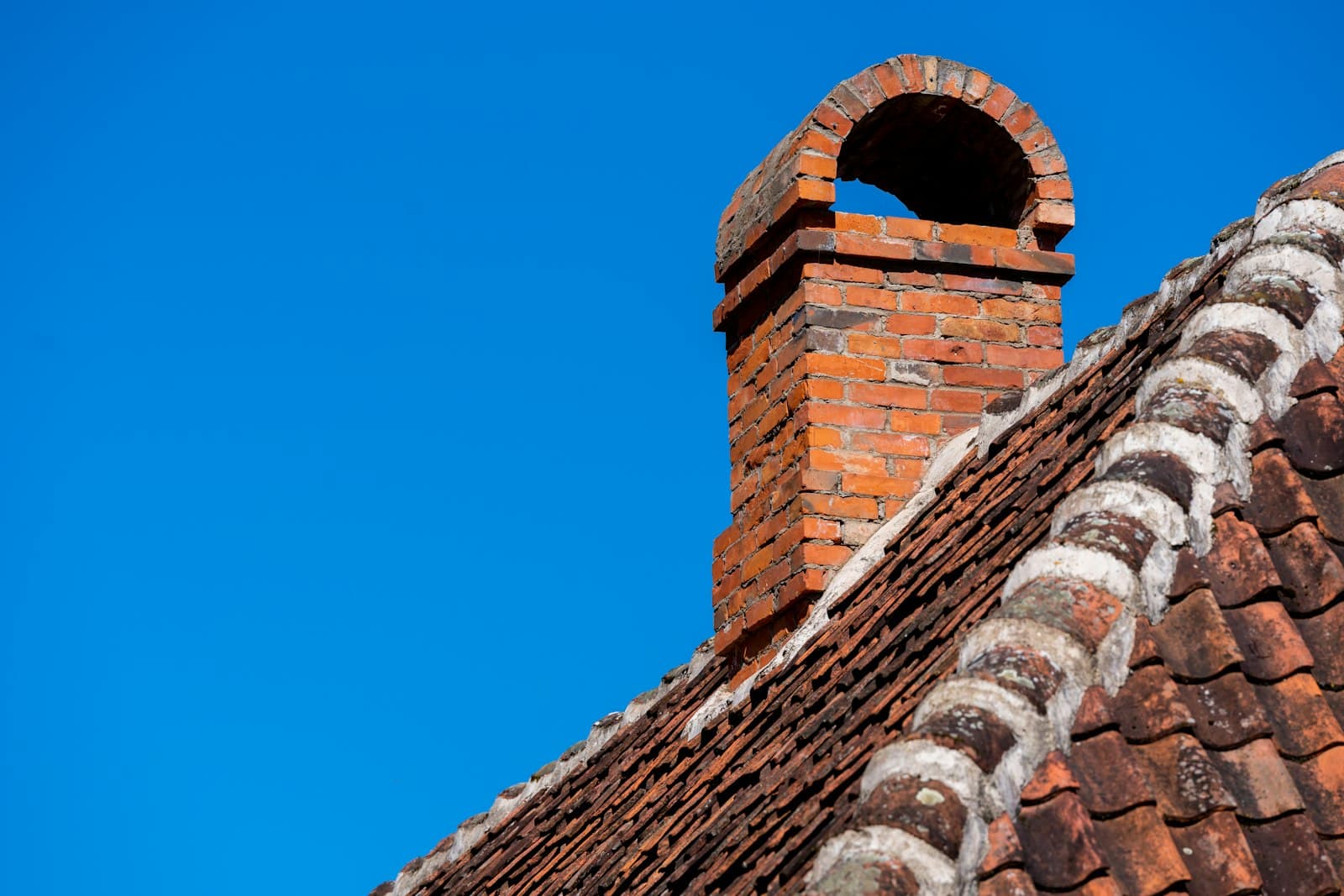
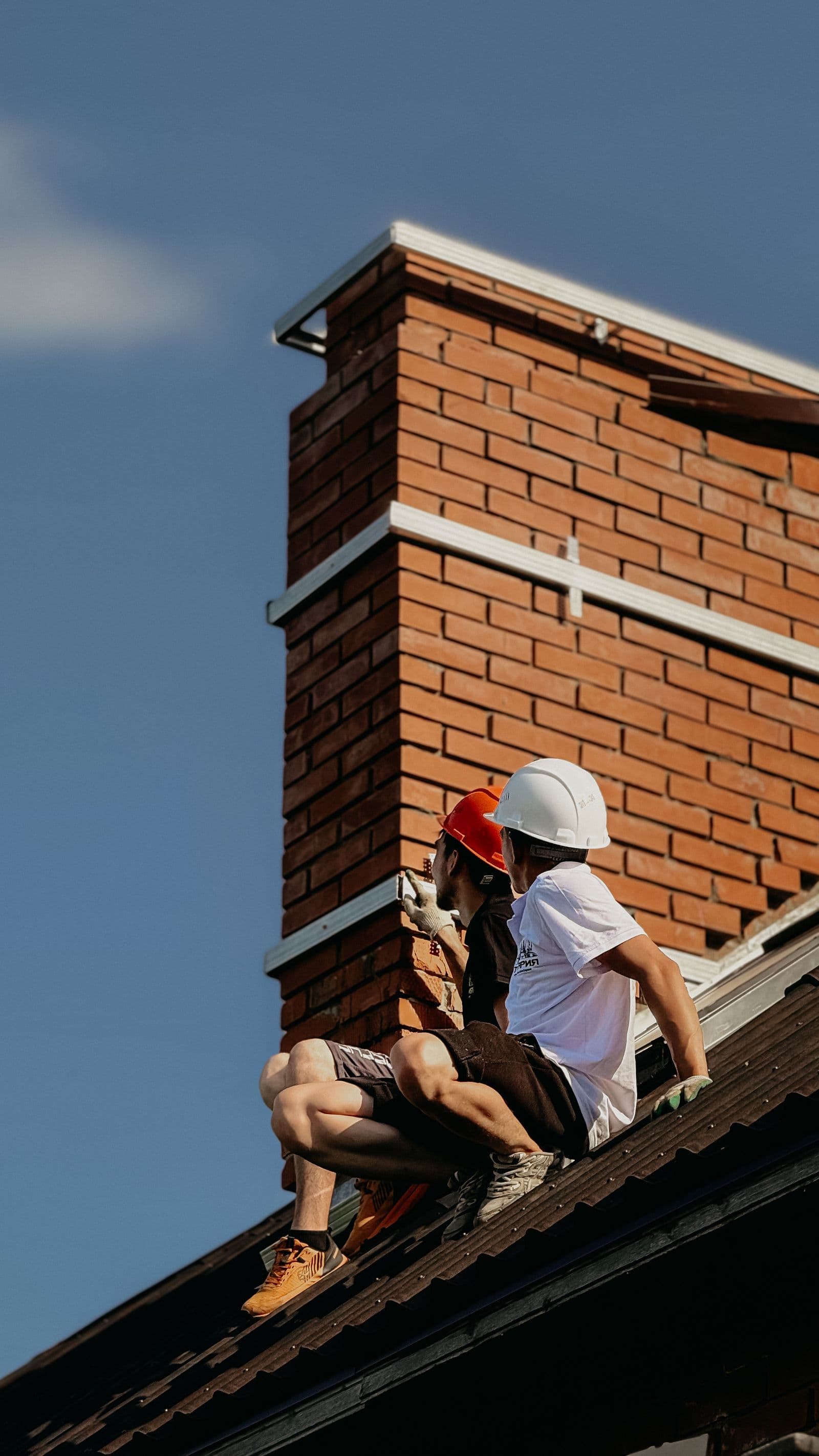
Central Florida is the most lightning-struck region in the country, and Groveland sits squarely in it. From June into September, the daily pattern is the same: heat builds off the interior, and by mid-afternoon a thunderstorm is dumping an hour of violent rain. Your chimney is the highest, most exposed structure on the house, and it takes that weather head-on all season: wind-driven rain against the stack, water pounding the crown, and the occasional close strike that cracks masonry outright.
Chimney leaks rarely show up at the chimney. Water that enters through a hairline crown crack or tired flashing travels along framing and shows up as a ceiling stain a few feet away, a peeling corner of paint, or a musty smell in a room you rarely use. That’s why chimney leak repair starts with finding the true entry point (crown, flashing, cap, or the masonry itself), because sealing the wrong spot doesn’t stop water, it just reroutes it somewhere new.
Prevention is straightforward and worth doing before the rains arrive. A sound crown sheds water instead of drinking it, intact flashing keeps the roofline dry, and a breathable water repellent lets brick shrug off a summer of storms while still letting trapped vapor escape. Chimney waterproofing in the drier months, when masonry can be properly prepped, closes the loop before the June pattern sets in. Hurricane season adds its own layer from June through November: Groveland’s inland position spares it storm surge, but crossing systems still drag tropical rain bands and gusty wind through Lake County, enough to lift a loose cap or peel back flashing that was already tired. After any storm passes close, a two-minute look at the stack from the yard is a habit worth keeping.