Proudly American-Owned

Chimney & Fireplace Company in Fort Pierce, FL

Compare chimney repair and fireplace service options for your Fort Pierce property with a technician at a free estimate visit.

Free Fort Pierce Estimate

10% OFFFirst service

Family-Owned

A family-owned company serving Fort Pierce properties.

Proudly American-Owned

An American-owned chimney and fireplace company.

Free Estimate Visit

A technician can visit the property and provide a free estimate.

Hire Chimney & Fireplace Specialists Serving Fort Pierce, FL

Fort Pierce is the Sunrise City: the old heart of the Treasure Coast, facing the Atlantic across the Indian River Lagoon. Salt air, a genuinely historic core, and a front-row seat to hurricane season give chimneys here a harder working life than most of Florida ever realizes.

Name the symptom at the Fort Pierce address, then open the matching page: chimney repair in Fort Pierce, chimney sweeping, inspection, leak repair, cap replacement, crown repair, flashing repair, waterproofing, masonry repair, relining, rebuild, hurricane repair, gas fireplace repair, animal removal, or fireplace repair. The technician estimate visit is free.

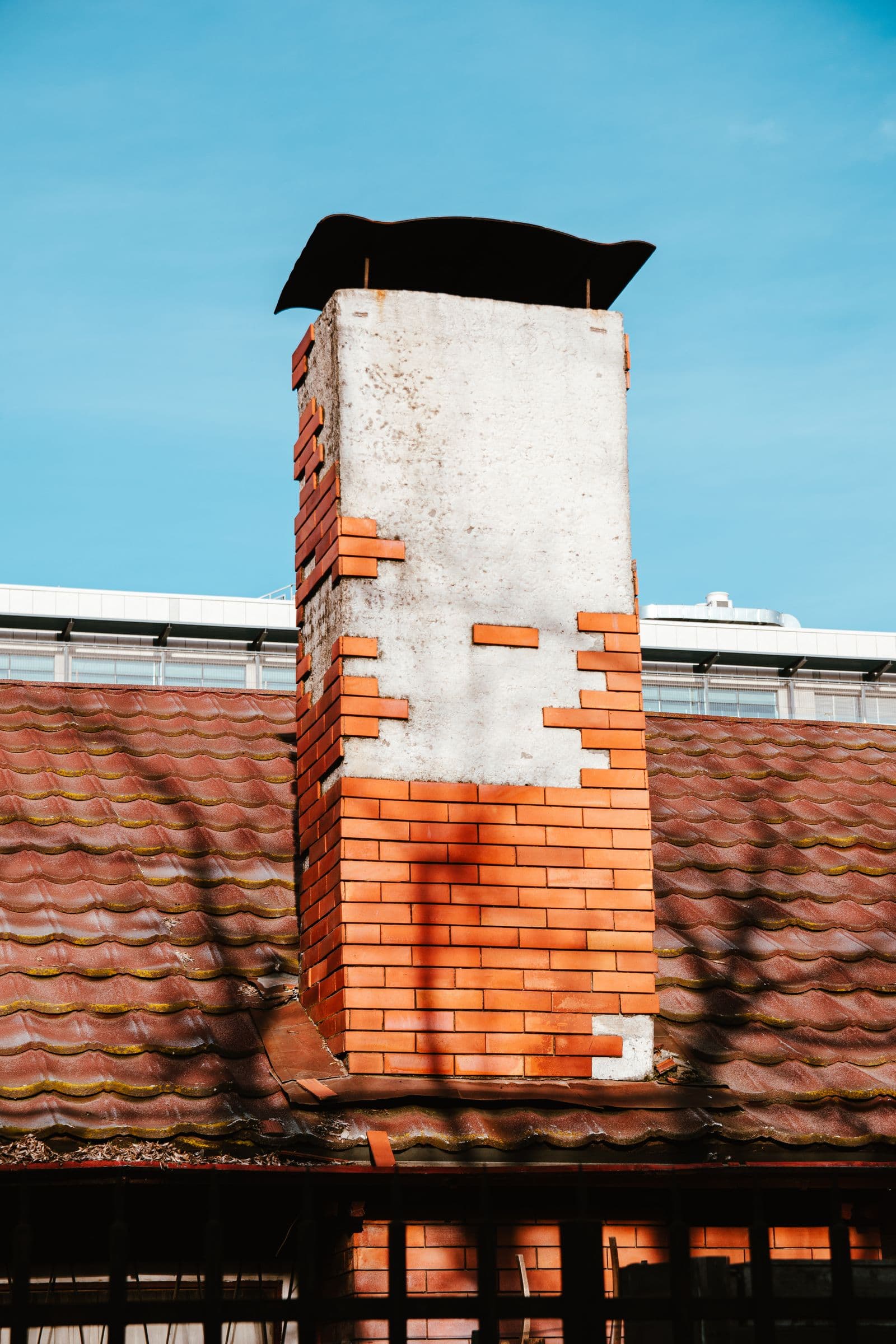
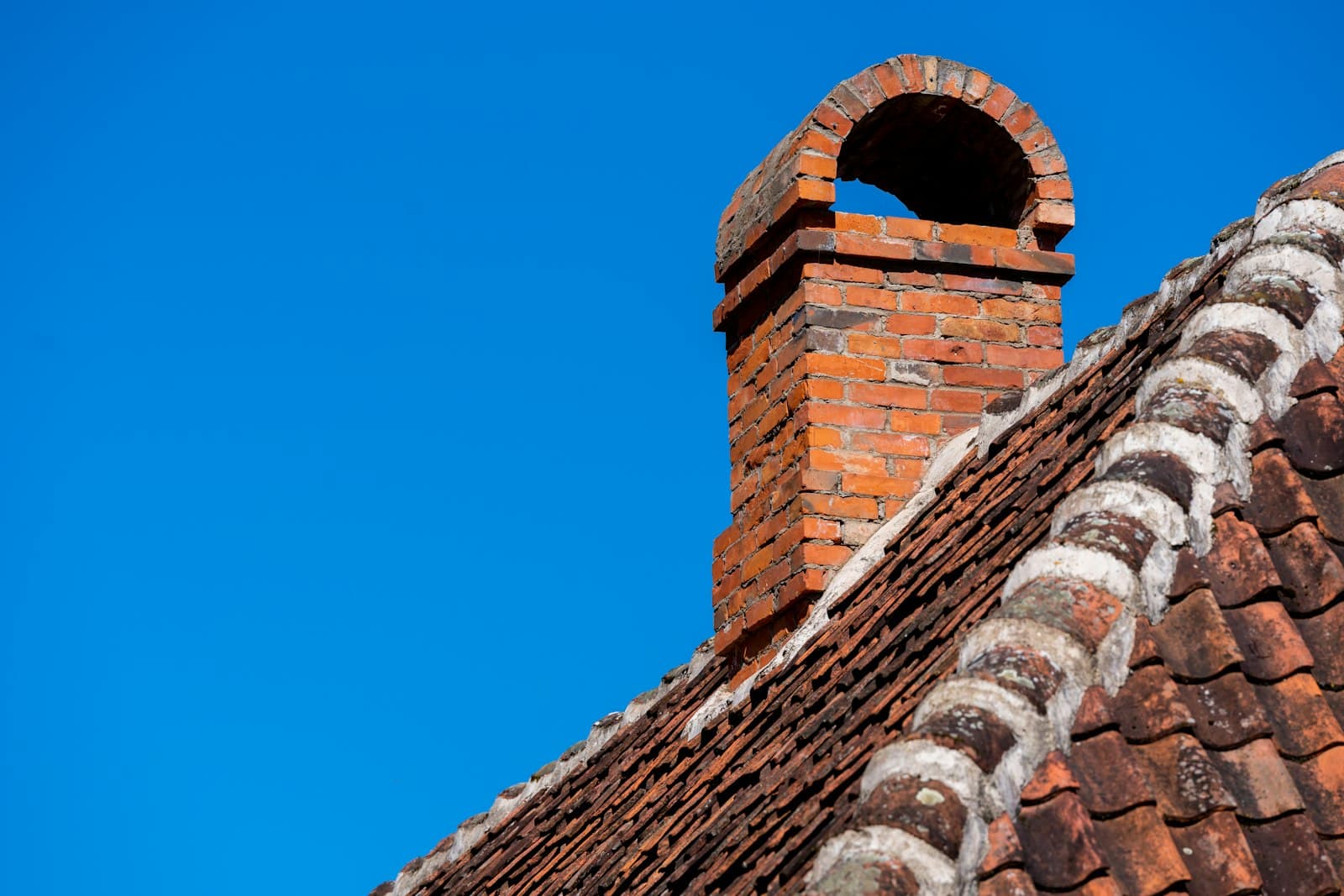
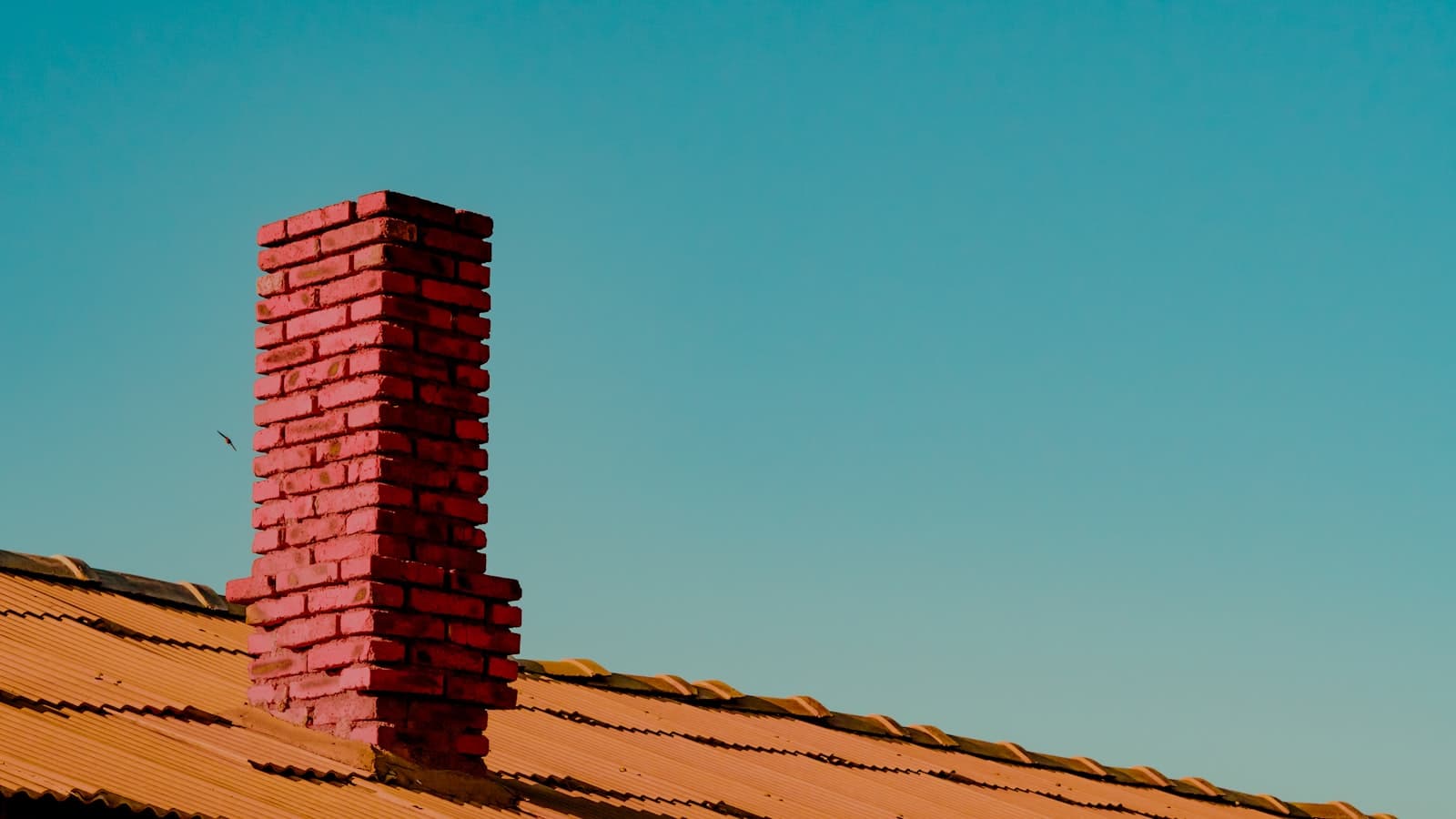
A red brick chimney rising above a rooftop

What happens next

How chimney and fireplace service works in Fort Pierce

The estimate visit is separate from any paid work, so you can review the estimate before deciding.

  1. Tell us what you are seeing

    Call or send the estimate form with the service or concern you want reviewed. Include your property's ZIP code in Fort Pierce.

  2. Get a free estimate visit

    A technician can visit the property and provide a free estimate for chimney or fireplace service.

  3. Approve the work before it begins

    Paid work requires a deposit. If you cancel after paying the deposit, the company retains it.

Understanding Fort Pierce properties

A chimney in Fort Pierce lives a saltwater life

Fort Pierce sits right on the water in a way few Florida cities still do: downtown runs along the Indian River Lagoon, the Fort Pierce Inlet opens straight to the Atlantic, and Hutchinson Island stretches across the water as the city's barrier-island front porch. The sea breeze that makes all of this so pleasant also carries a steady load of salt, and it doesn't stop at the beach: it drifts across the lagoon, over US-1, and well into the neighborhoods west of town. The chimney is usually the highest, most exposed thing on the house, so it takes that salt bath first and worst.

Salt is quietly brutal on the metal parts a chimney depends on. Chase covers rust from the edges and screw penetrations inward, caps corrode until their mesh crumbles, and damper hardware seizes up long before anyone notices. On the island and along the lagoon these parts can fail years faster than the same components inland, which is why a corrosion-resistant replacement (stainless or properly coated) is money well spent here. A correctly fitted chimney cap keeps rain, salt spray, and animals out of the flue, and a sound, correctly pitched chase cover solves most of what goes wrong with the framed-chase fireplaces common in newer construction.

Masonry feels the coast too. Salt-laden moisture works into brick faces and mortar joints, and the side of the stack that catches the prevailing sea breeze often weathers visibly faster than the sheltered side. None of this is a reason to avoid a fireplace in Fort Pierce. It's simply a reason to treat the chimney like the piece of marine-exposed equipment it actually is, with the inspection rhythm to match.

An old city on a young coast: what Fort Pierce homes need

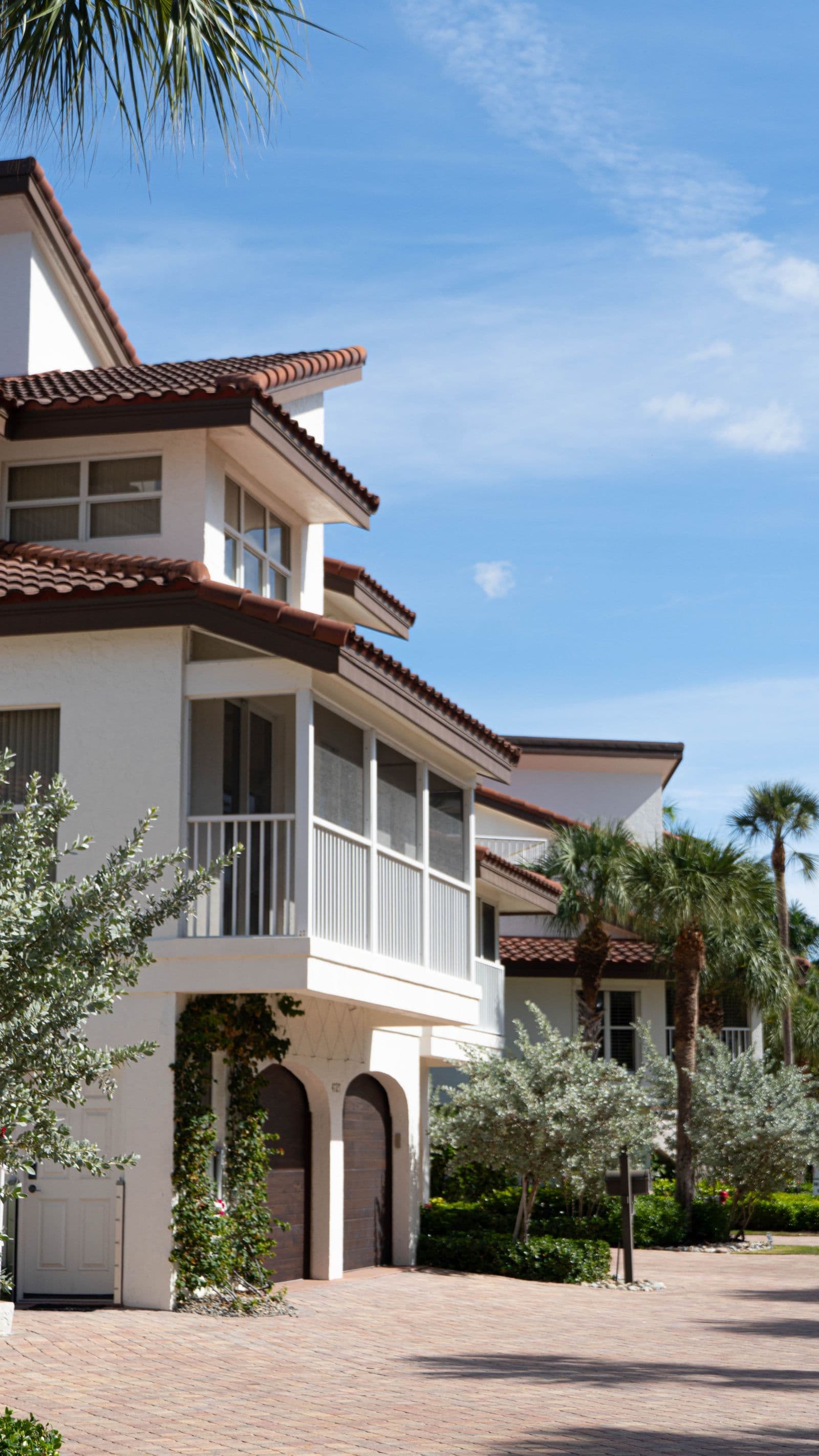
Fort Pierce is one of the oldest cities on this stretch of coast: it grew up around a Seminole War–era army post, took its shape in the railroad era, and gave Florida the Highwaymen painters along the way. That age shows in the housing stock. Much of the area near downtown and the lagoon carries genuinely older homes, and some of them have real masonry chimneys from an era when builders assumed people would use them. Compare that with the newer subdivisions spreading west toward I-95, where fireplaces are mostly factory-built units in framed, sided chases, and you get two very different trades under the same 'chimney service' banner.

The older chimneys deserve the careful version of the work. Masonry from the early decades of the last century was typically laid with softer, lime-rich mortar, and repointing it with a hard modern Portland mix traps moisture and pops the brick faces off a few years later. Proper chimney masonry work on an older Fort Pierce home means matching mortar hardness, joint style, and brick character, a repair that disappears into the wall instead of announcing itself.

Older flue liners can crack or shift where the condition is not visible from the room. Whether relining or another repair is appropriate depends on a separately scoped inspection and system compatibility; any proposed recommendation depends on the condition at the property.

Hurricane season on the Treasure Coast is not an abstraction

Plenty of Florida towns talk about hurricane exposure in theory. Fort Pierce doesn't have that luxury: this stretch of coast has taken direct hits within living memory, including the season when two hurricanes crossed nearly the same ground just weeks apart. When a storm rides in off the Atlantic, the barrier island and the lagoon-front take the first blow, but hurricane-force wind doesn't stop at the bridges. Every chimney in the city gets tested.

What storms actually do to chimneys is fairly predictable: they strip loose caps, peel back chase covers, lift flashing that was already tired, and drive rain horizontally into mortar joints and siding seams that ordinary vertical rain never touches. The damage often hides until weeks later, when a ceiling stain blooms a few feet from the chimney or a musty smell settles into a room. Wind-driven water is patient: it finds the one gap and keeps using it.

The habit that serves Fort Pierce homeowners best costs nothing: after any storm passes close, take a two-minute look at the stack from the ground. For a chimney fire, suspected carbon monoxide or gas, an unstable chimney, or another immediate danger, leave the area and call 911 or the utility first.

Humidity, leak season, and the nine idle months

Fort Pierce fireplaces work a short season. Cool fronts push through from roughly December into February, a fireplace earns its keep for a handful of evenings, and then the flue sits closed through nine months of coastal humidity. That idle stretch is where trouble builds: moist air held against soot produces the sour 'fireplace smell' so many homeowners notice in July, and it quietly corrodes dampers and firebox parts the whole time. A chimney sweep each fall clears last season's residue and confirms the system is actually ready before the first front, far better than finding out on the first cold night, when every schedule in St. Lucie County fills at once.

Summer is also leak season. From June into September the afternoon storms arrive almost on schedule, and the chimney takes them head-on. Hairline cracks in the crown let water into the structure, and bare masonry simply drinks: brick can absorb a startling amount of water over a single wet season, and salt in the air makes the wetting cycle harsher still. A breathable water repellent, applied in the drier months when the masonry can be properly prepped, sheds rain while letting trapped vapor escape; chimney waterproofing ahead of the summer pattern is one of the cheapest forms of insurance a coastal chimney can get.

One more off-season reality: an idle flue is prime real estate. Raccoons, birds, and the occasional squirrel treat an uncapped Fort Pierce chimney as a ready-made den, and nesting material stacked in a flue is both a blockage and a fire load. The fix is the same small part that solves so much else here (a solid, screened cap), plus a professional clean-out if something has already moved in.

Straightforward chimney help in the Sunrise City

NFPA 211, the fire-safety standard for chimneys and fireplaces, recommends an annual inspection even for lightly used systems, and the combination of salt exposure, hurricane seasons, and long humid idle stretches makes that guidance worth taking seriously here. For a chimney fire, suspected carbon monoxide or gas, an unstable chimney, or another immediate danger, leave the area and call 911 or the utility first.

A technician can visit the property and give a free estimate.

Talk with our team

Need chimney and fireplace service in Fort Pierce?

Tell us what you are seeing and include your property's ZIP code. We will use those details to understand the service request.

Frequently Asked

Before Hiring a Chimney Company in Fort Pierce: Common Questions

How often does a Fort Pierce chimney need an inspection?
A separately scoped chimney inspection may evaluate the flue and relevant components. A technician can visit the property and give a free estimate.
Does salt air really affect homes away from the beach?
Salt exposure can accelerate corrosion of exposed chimney components. Rust staining or pitting deserves an assessment; replacement material, compatibility, specifications, and pricing should be evaluated for the particular system and stated in the estimate.
What should I check on my chimney after a hurricane or tropical storm?
From the ground, look for anything shifted, leaning, missing, or newly stained: a cap gone, flashing lifted at the roofline, fresh streaks on the stack or a ceiling stain nearby. Wind-driven rain enters gaps that normal storms never test, and the damage often surfaces weeks later. For a chimney fire, suspected carbon monoxide or gas, an unstable chimney, or another immediate danger, leave the area and call 911 or the utility first.
My older Fort Pierce home has its original chimney. Can it be saved?
Older flue liners can crack or shift where the condition is not visible from the room. Whether relining or another repair is appropriate depends on a separately scoped inspection and system compatibility; any proposed recommendation depends on the condition at the property.
Why does my fireplace smell musty every summer?
That's the coastal off-season at work: a closed flue holds humid air against soot and creosote for months, and the mix turns sour. The smell gets worse right after rain. A proper sweep removes the deposits that hold the odor, and a tight cap with a working damper keeps rain and humid air from feeding it. It's one of the most common calls in Fort Pierce every July, and one of the easiest to fix.
What do chimney repairs in Fort Pierce usually cost?
Honest answer: it depends on which part of the chimney failed, and that is not something anyone can tell you over the phone. A cap swap and a crown that has to be re-cast are different jobs on the same chimney. What moves the number is roof access and stack height, the materials appropriate to the chimney and its exposure, how far the failure has already run, and whether several items can share one visit instead of three separate trips. A technician can visit the property and give a free estimate. Every approved paid job requires a deposit. If you cancel after paying the deposit, the company keeps it.

Ready to schedule chimney service in Fort Pierce?

Tell us what you are seeing, include your property's ZIP code, and call to request a technician estimate visit.