Proudly American-Owned

Chimney & Fireplace Company in Deltona, FL

Hire a chimney repair and fireplace company serving Deltona, FL for repair, sweeping, inspection, or installation. Request a free technician estimate visit.

Free Deltona Estimate

10% OFFFirst service

Family-Owned

A family-owned company serving Deltona properties.

Proudly American-Owned

An American-owned chimney and fireplace company.

Free Estimate Visit

A technician can visit the property and provide a free estimate.

Deltona Chimney Repair, Cleaning & Fireplace Service

Deltona grew from a 1960s planned lake community into Volusia County's biggest city by population: a quiet, lake-dotted community on the I-4 corridor. Sixty years of building in waves left it with sixty years of very different chimneys, side by side.

Name the symptom at the Deltona address, then open the matching page: chimney repair in Deltona, chimney sweeping, inspection, leak repair, cap replacement, crown repair, flashing repair, waterproofing, masonry repair, relining, rebuild, hurricane repair, gas fireplace repair, animal removal, or fireplace repair. The technician estimate visit is free.

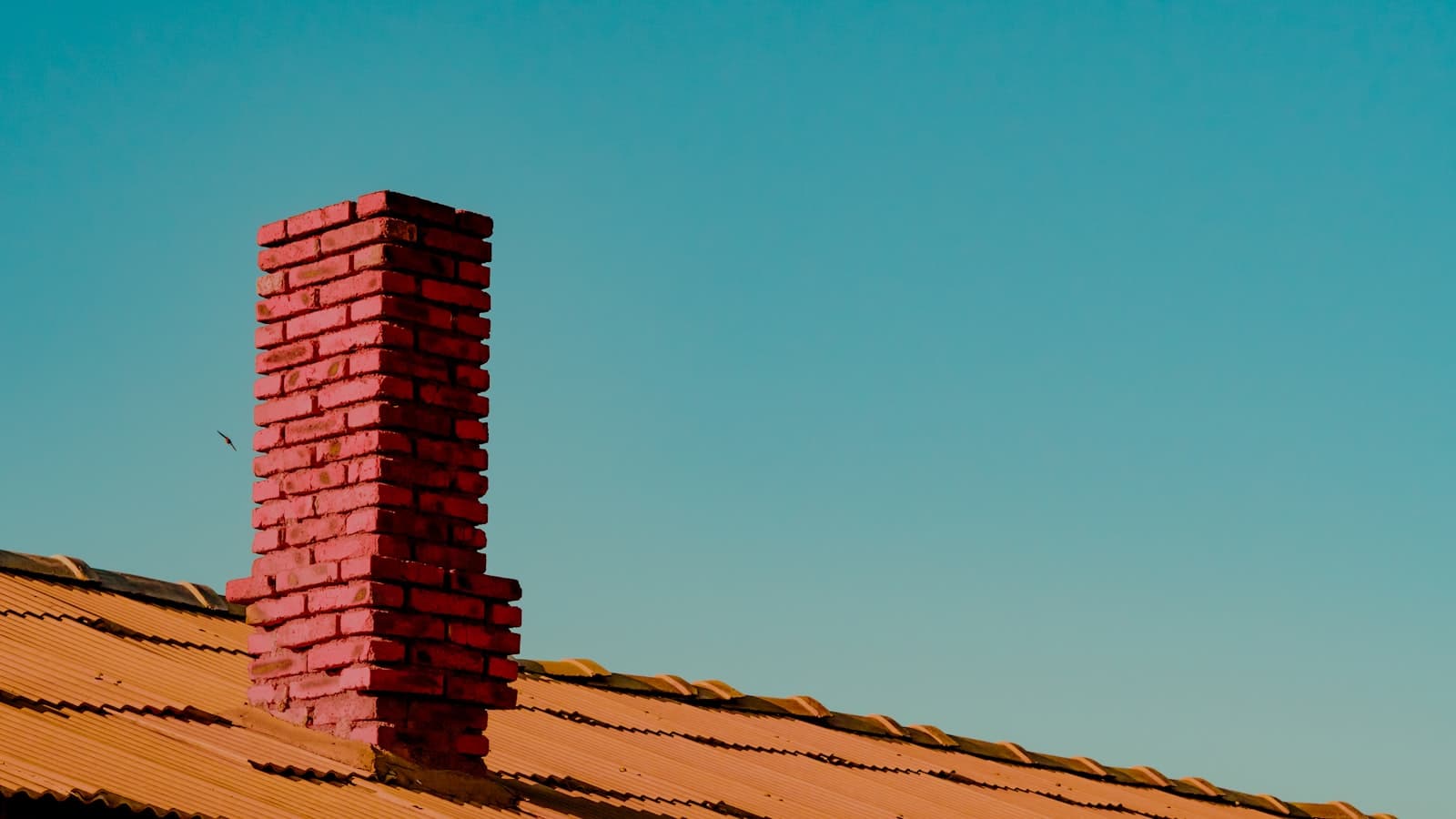
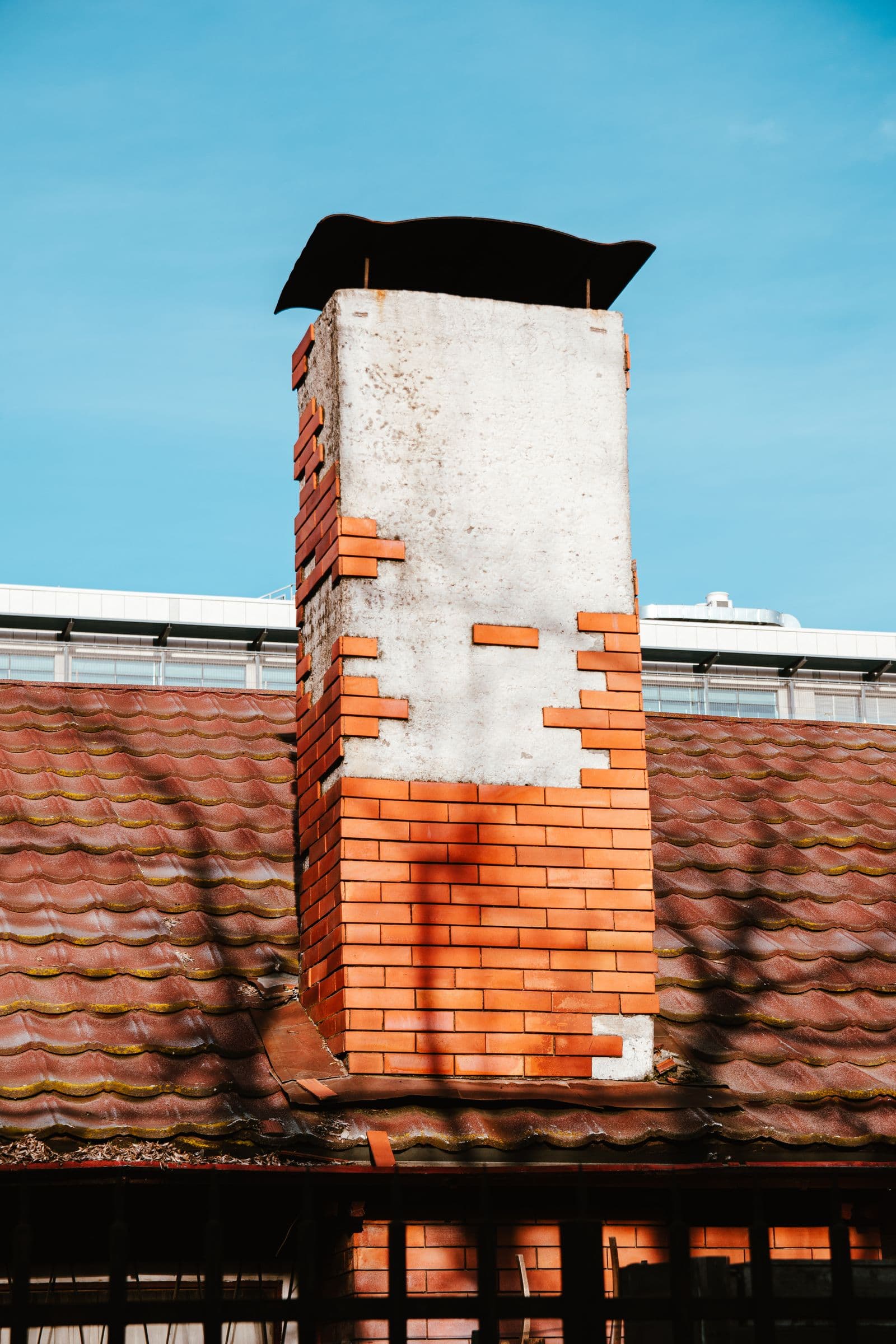
A chimney passing through a clay tile roof

What happens next

How chimney and fireplace service works in Deltona

The estimate visit is separate from any paid work, so you can review the estimate before deciding.

  1. Tell us what you are seeing

    Call or send the estimate form with the service or concern you want reviewed. Include your property's ZIP code in Deltona.

  2. Get a free estimate visit

    A technician can visit the property and provide a free estimate for chimney or fireplace service.

  3. Approve the work before it begins

    Paid work requires a deposit. If you cancel after paying the deposit, the company retains it.

Understanding Deltona properties

A planned community grows up, and so do its chimneys

Deltona didn't grow the way most Florida towns did. Much of it was laid out in the 1960s as a planned residential community wrapped around west Volusia's lakes, and the city filled in from that original plat outward over the decades that followed. The result is a housing map you can almost read by street: modest ranch homes from the community's first waves in the older sections, concrete-block subdivisions from the 1980s through the 2000s as Deltona became a full-fledged commuter city, and newer construction still filling the edges. Each era built its fireplaces differently, and each fails differently.

Older flue liners can crack or shift where the condition is not visible from the room. Whether relining or another repair is appropriate depends on a separately scoped inspection and system compatibility; any proposed recommendation depends on the condition at the property.

The newer side of town is a different trade entirely. Homes from the 1990s onward mostly house factory-built fireplaces inside framed, sided chases, no brick involved. There the weak points are sheet metal and sealant: chase covers that rust and pond water, caps that are missing or undersized, storm collars that give up. A sound, correctly pitched cover from a chase cover repair and a properly fitted cap may address common cap- and cover-related water-entry paths when those components are the source. Small parts, outsized consequences: a small rust spot ignored becomes a soaked firebox by the end of one wet season.

Lightning alley runs right through Deltona's summers

The I-4 corridor sits in one of the most lightning-prone regions in the country, and Deltona is squarely in it. From June into September, the sea breezes off both coasts collide over central Florida most afternoons and drop a violent hour of rain, wind, and lightning on the way through. Your chimney is the tallest, most exposed thing on the house, and it takes that pounding daily for an entire season: driving rain against the crown, wind working at the cap, water probing every joint in the flashing.

Chimney leaks almost never announce themselves at the chimney. Water follows framing and drywall, so the evidence shows up as a ceiling stain a few feet from the fireplace, paint bubbling in a corner, or a musty smell in a room that gets no use. Effective chimney leak repair starts with finding the true entry point (cracked crown, tired flashing, rusted cover, or masonry that's simply saturated), because sealing the wrong spot doesn't stop the water, it just sends it somewhere new. On Deltona's many one-story ranch homes the flashing line is close to the living space, which is why a small flashing failure here tends to show up indoors faster than homeowners expect.

Prevention is cheaper than chasing stains. A breathable water repellent (one that sheds rain but lets trapped vapor escape) applied before the storm pattern sets in gives brick a fighting chance against four months of daily soakings. Chimney waterproofing in the drier months, paired with a crown and flashing check, is one useful habit for an older masonry chimney in this part of Florida.

Hurricane season, inland edition

Deltona's inland position spares it the coast's storm surge and salt spray, but hurricane season from June through November still lands here. Systems crossing the state in either direction drag tropical rain bands and long hours of gusty wind over west Volusia, and the city's flat, lake-dotted terrain means the water that falls tends to linger. For a chimney, a crossing storm is less about one catastrophic gust and more about sideways rain finding mortar joints and flashing seams that ordinary vertical storms never test, followed by days of saturation with no chance to dry.

After any system passes close, a two-minute look from the ground is worth the habit: a cap sitting crooked, a chase cover edge lifted, fresh staining down the chimney's flank, or debris on the roof around the stack. Anything visibly shifted or missing deserves professional eyes before the next front arrives, because a compromised top lets every subsequent storm pour straight into the system. For a chimney fire, suspected carbon monoxide or gas, an unstable chimney, or another immediate danger, leave the area and call 911 or the utility first.

Nine idle months and a handful of burn nights

Central Florida gives Deltona real fireplace weather only in short bursts: a few cold snaps between December and February when overnight temperatures dip low enough to make a fire worth lighting. The rest of the year the flue just sits, and sitting in this climate is its own problem. Humid air held in a closed chimney for months settles into old soot and metal, which is where the sour 'fireplace smell' so many homeowners notice in July comes from, along with quiet corrosion of dampers and firebox parts that nobody sees happening.

An idle flue is also an invitation. Deltona's wooded lots and lake edges keep raccoons, squirrels, and birds in steady supply, and an uncapped chimney reads as a ready-made den, especially in spring nesting season. Nesting material stacked on a damper is a fire hazard waiting for December, and some chimney-nesting birds are federally protected, which makes timing and method matter. Humane chimney animal removal clears the flue properly, and a fitted chimney cap helps deter repeat wildlife entry.

Then the first real cold front rolls through and half the city lights a fireplace that hasn't been touched since last winter. That first-cold-night rush is predictable every year, and avoidable. A chimney sweep and check in October or November clears out whatever the humid months left behind, confirms the damper and flue actually work, and means your fireplace is ready before the cold snap instead of discovered broken during it.

Straightforward chimney help for Deltona homeowners

A technician can visit the property and give a free estimate.

Talk with our team

Need chimney and fireplace service in Deltona?

Tell us what you are seeing and include your property's ZIP code. We will use those details to understand the service request.

Frequently Asked

Deltona Chimney Repair & Fireplace Service Questions

How often does a Deltona fireplace really need attention?
NFPA 211 guidance is an inspection every year, even for a fireplace that only burns a few nights each winter. In Deltona the reasoning is less about creosote volume and more about what nine humid idle months and a violent storm season do to a system nobody's looking at. The smart timing is fall: get it checked before the first cold front, when every schedule in Volusia County fills up.
My ceiling stains only during summer storms. Is that the chimney?
Very possibly. Chimney leaks rarely show up at the chimney. Water tracks along framing and appears as a stain a few feet away, and Deltona's daily summer downpours are exactly the pattern that exposes a cracked crown or tired flashing. The fix starts with finding the true entry point, because sealing the wrong spot just reroutes the water. A technician can visit the property and give a free estimate.
I'm in one of Deltona's original 1960s-era homes. What should I watch for?
A technician can visit the property and give a free estimate.
My newer Deltona home has a sided chimney chase. What goes wrong with those?
Almost always the top: chase covers rust and pond water, caps go missing or sit undersized, and storm collars fail, then rain runs straight down onto the factory-built fireplace inside. The fixes are small and inexpensive compared to what neglect costs; a sound cover and a properly fitted cap may address common water-entry paths when those components are the source. A quick look after each storm season is usually all the monitoring these systems need.
Something is scratching inside my chimney. Now what?
Common around Deltona's lakes and wooded lots: raccoons, squirrels, and birds all treat an uncapped flue as a den, especially in spring. Don't light a fire to drive an animal out; that risks a flue fire and a horrible outcome for everyone involved. Some chimney-nesting birds are federally protected, so removal method and timing matter. Humane removal plus a fitted cap helps reduce recurrence.

Ready to schedule chimney service in Deltona?

Tell us what you are seeing, include your property's ZIP code, and call to request a technician estimate visit.