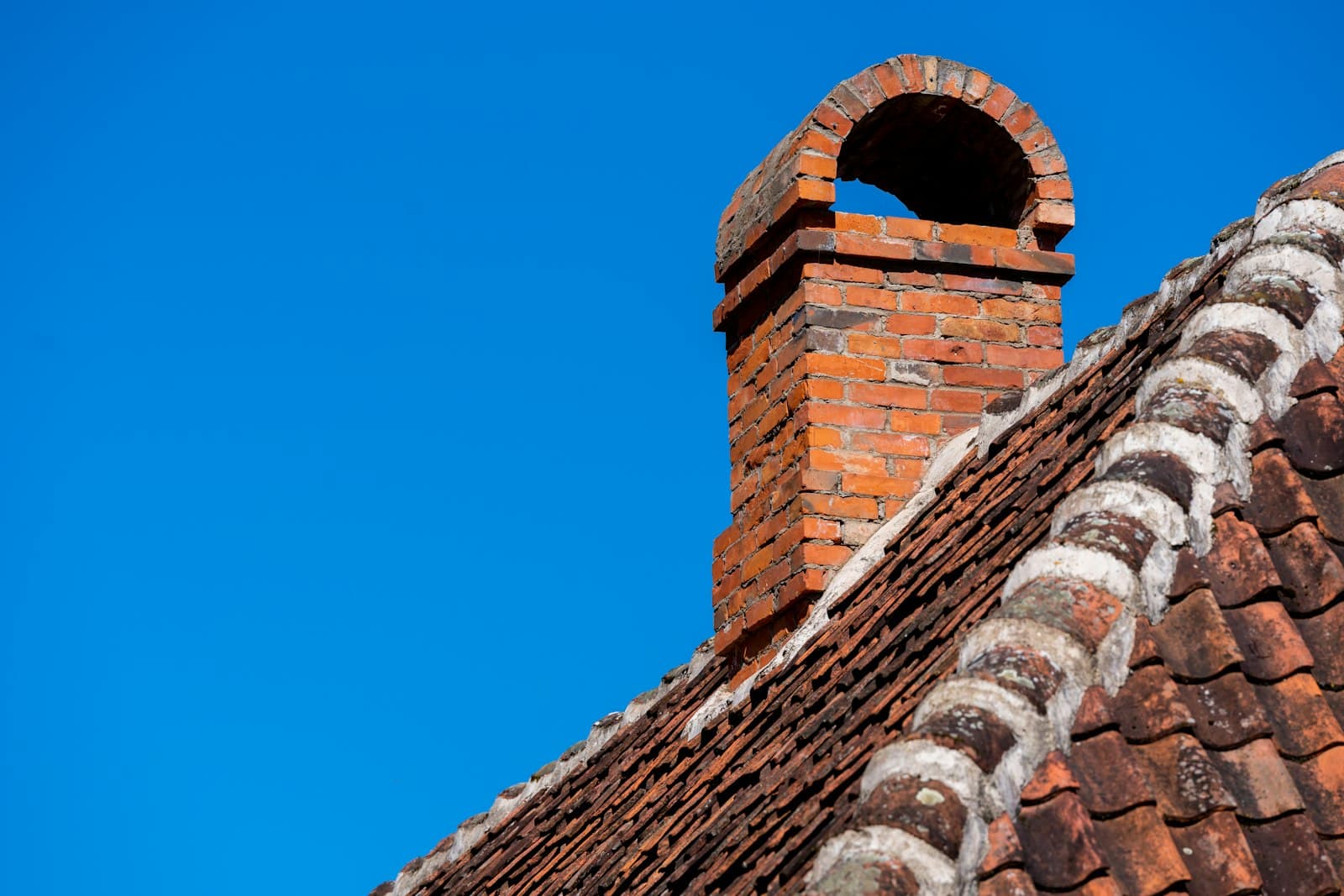
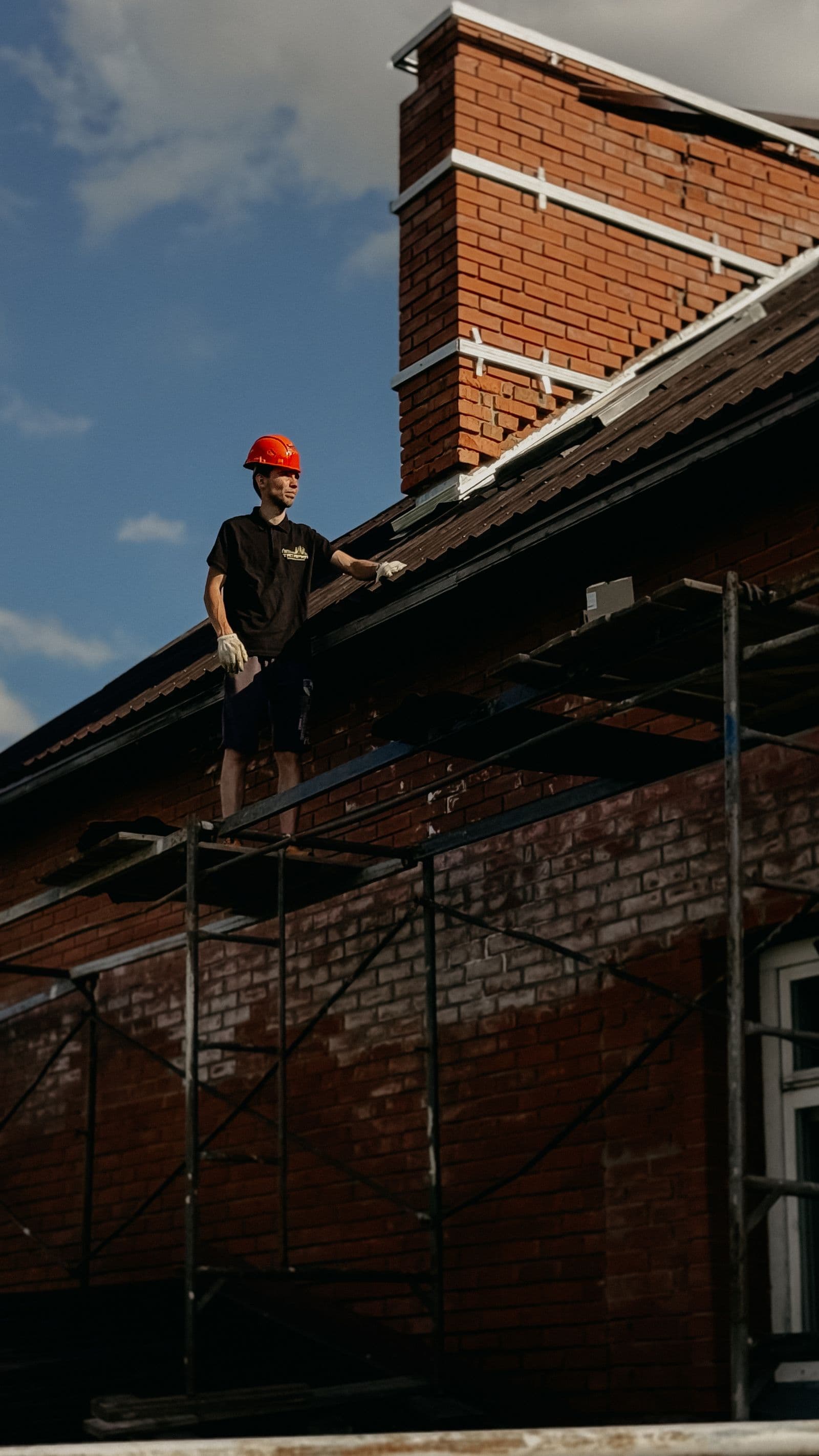
East Pasco’s hills sit far enough inland to miss the coast’s moderating effect, so Dade City gets proper winter mornings: the same cool snaps that make kumquat season pleasant put frost on windshields and send people to their fireplaces. Between December and February, chimneys here do real work, which is more than can be said for most of Florida.
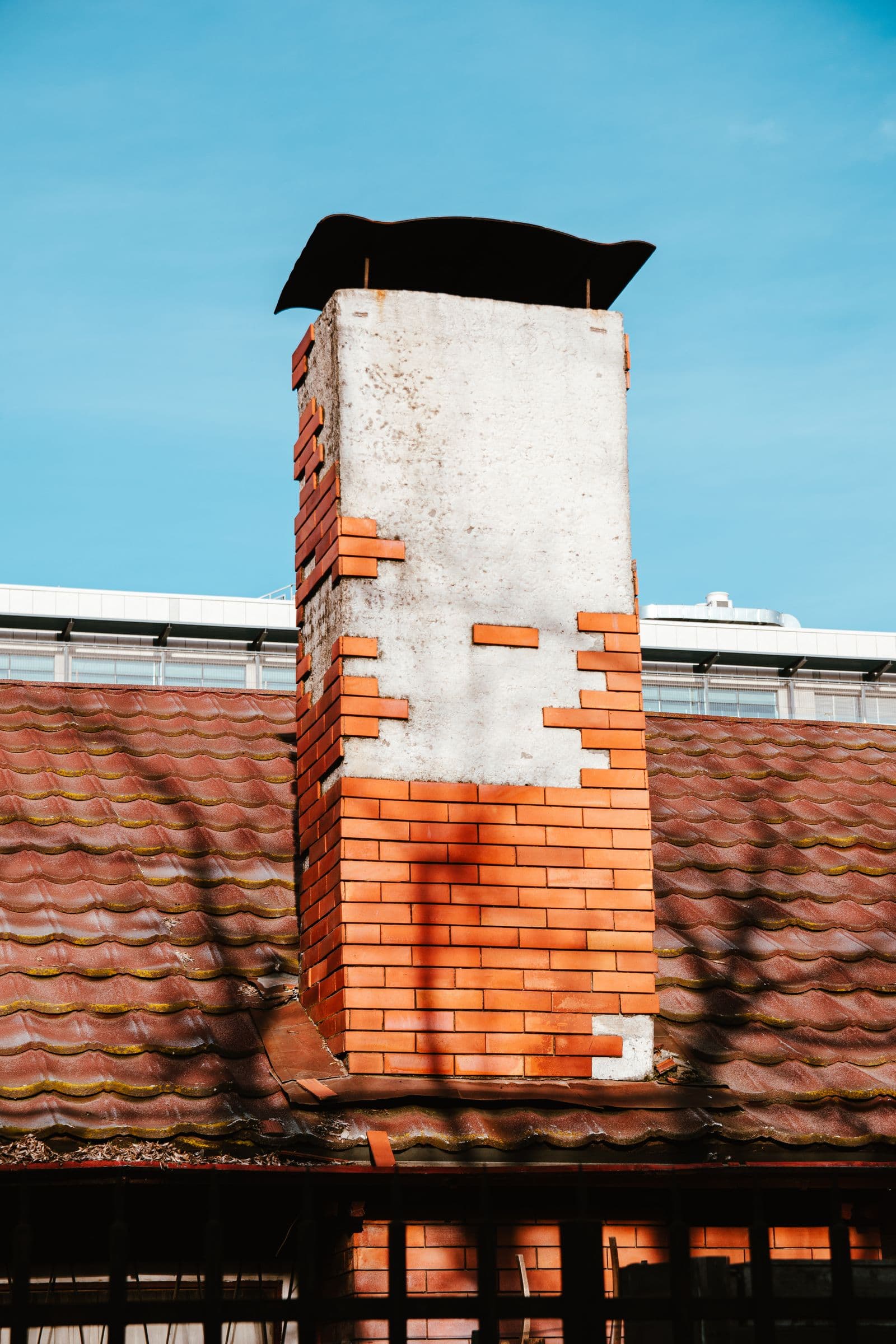
Real use means real creosote. Slow evening fires, and especially fires burning wood that has not fully seasoned in our humid air, coat the flue with tarry buildup that is exactly as flammable as it sounds. NFPA 211 guidance calls for an annual inspection with sweeping when buildup warrants it, and in a town that actually burns through winter, that annual rhythm is worth keeping. The smart timing is early fall: before the first cold front, before the seasonal rush, and before you need the fireplace rather than merely want it.
The rest of the year, the enemy is idleness. A flue that sits unused from March to November in Florida humidity collects moisture, absorbs odors, and invites nesting birds and squirrels. If the first fire of the season smells sour or smoke drifts back into the room, stop and get it inspected. Both symptoms point to problems a match will not fix.
Gas logs deserve a mention too, since plenty of Dade City fireplaces have converted over the years. A gas fire burns cleaner than wood, but the flue still has to vent properly, moisture still finds its way into the chimney, and the structure still stands in the weather year-round. Annual attention applies either way: the inspection simply looks for different things, and a gas appliance venting into a compromised flue is its own quiet hazard.