Winters in Buenaventura Lakes are short and forgiving. A few cold fronts push through between December and February, the coldest mornings dip toward the 40s and occasionally lower, and most fireplaces here see a handful of burn nights a year, sometimes none. That sounds like a chimney with an easy life. It isn’t. A flue that sits closed and idle from March through November spends those months soaking in Central Florida humidity, and moist air trapped against soot and metal works quietly the whole time: dampers stiffen and corrode, firebox parts rust, and old creosote residue turns into the musty ‘fireplace smell’ homeowners notice in July and can’t place.
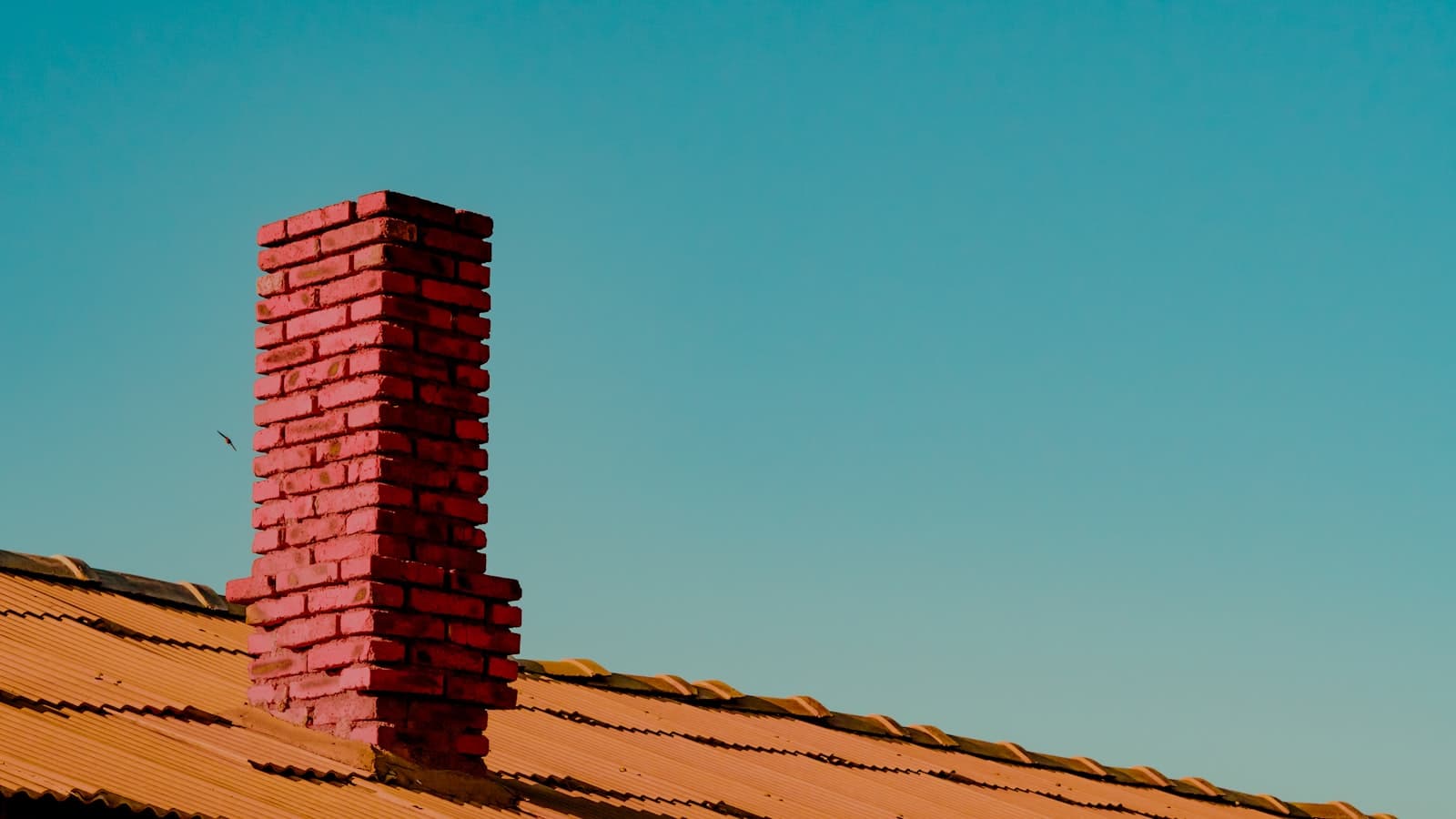
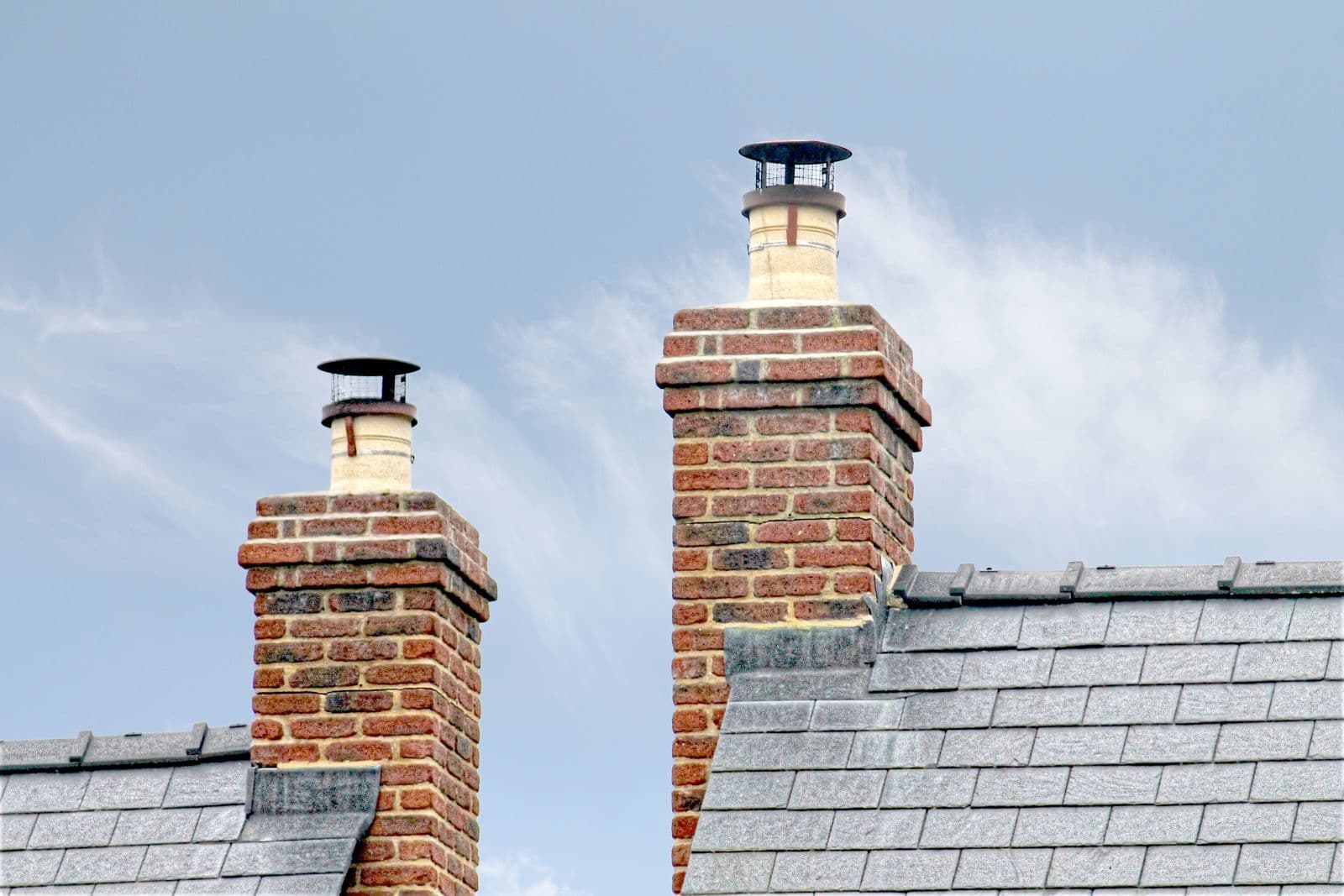
An idle flue is also an open invitation. A chimney that never runs smoke is, from a raccoon’s or squirrel’s point of view, a sheltered vertical den, and nesting birds treat an uncapped flue the same way. By the time a family lights the first fire of the season, the flue may be hosting material that has no business being above a firebox. Chimney animal removal handles the tenants humanely, and a properly fitted cap keeps the vacancy from reopening.
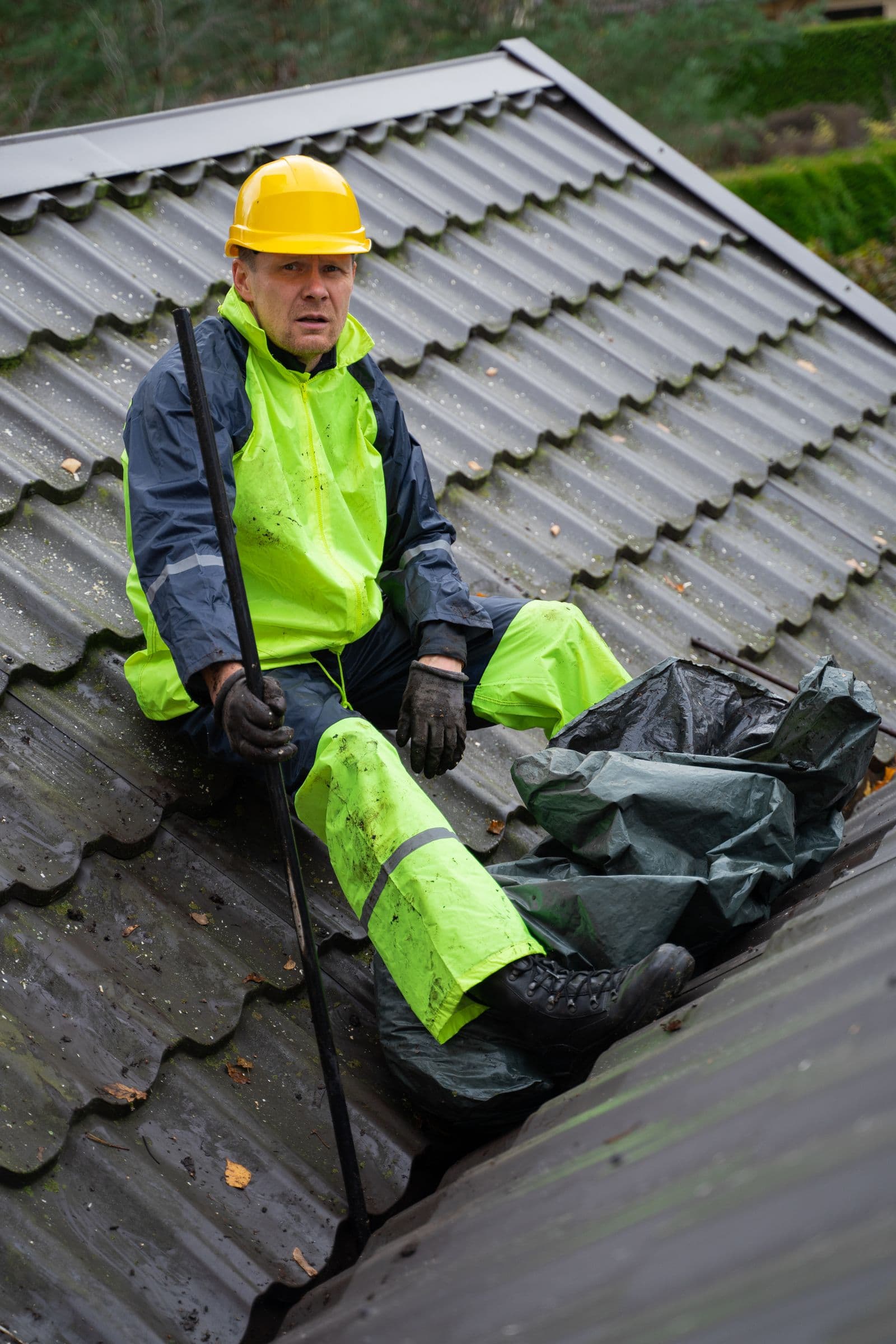
The fix for all of this is unglamorous and cheap compared to the alternative: a chimney sweep and check before the first cold front, so the damper moves, the flue is clear, and last year’s residue is gone before you burn on top of it. In a community where the fireplace runs rarely, the point of the visit isn’t heavy cleaning. It’s knowing, rather than hoping, that the system is safe the night you finally want it.