Your Pinellas County chimney & fireplace team in Tarpon Springs
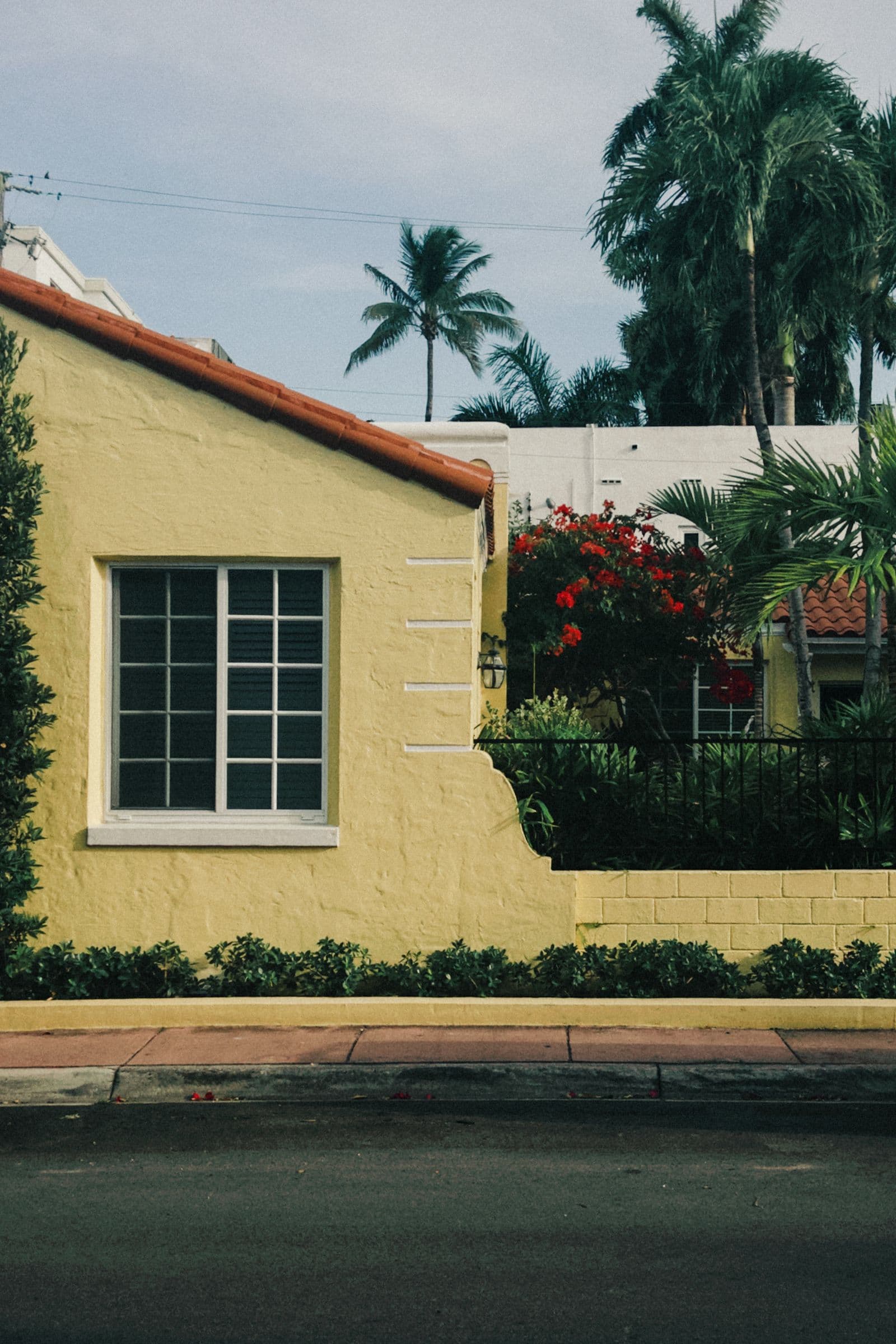
Tarpon Springs is a coastal Pinellas County community near Tampa Bay, part of the Tampa Bay area. That location is the single biggest factor in how chimneys age here — the local climate drives how quickly masonry, mortar, caps, and liners wear, and it matters more than the chimney itself when scoping any Tarpon Springs repair, sweep, or rebuild.
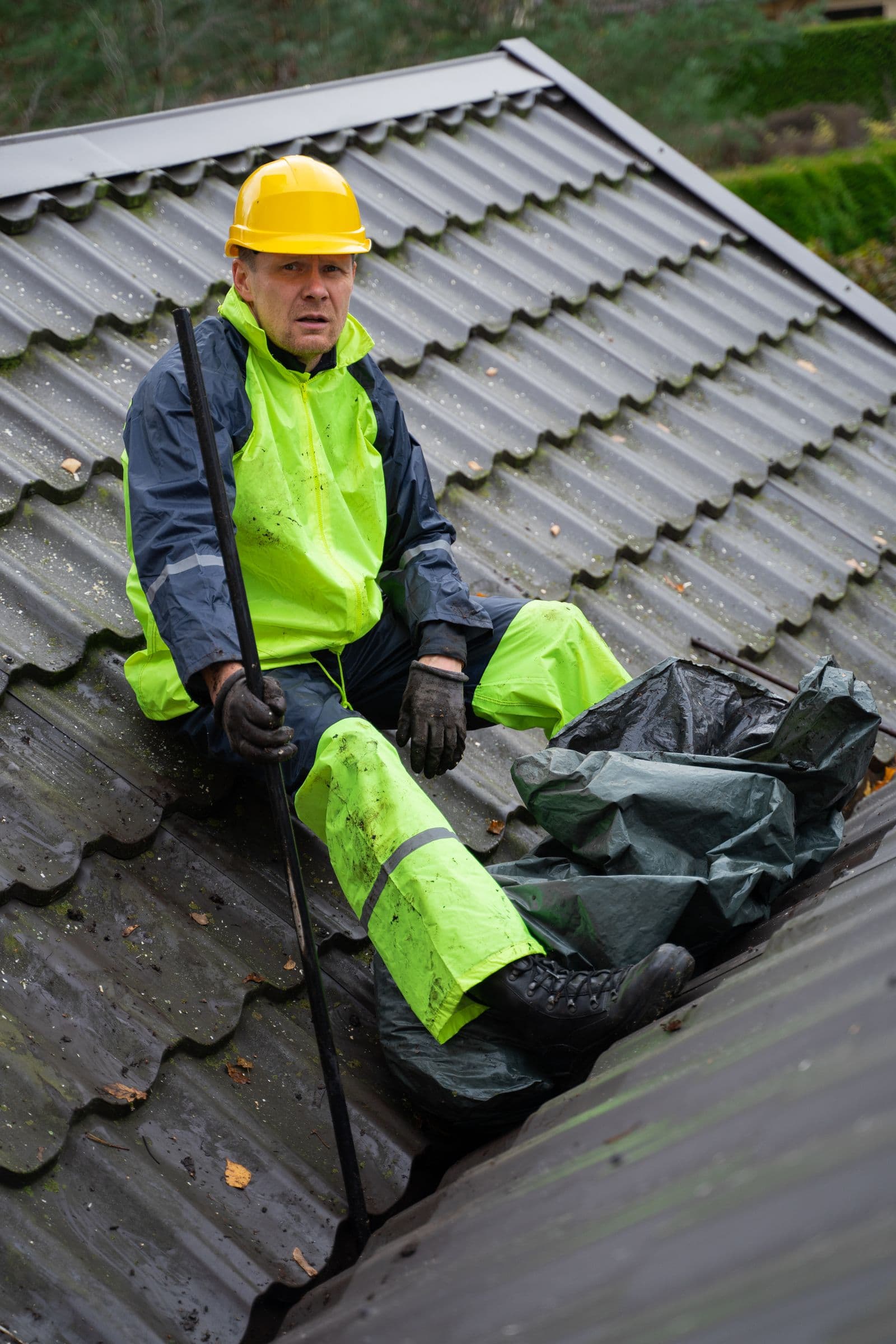
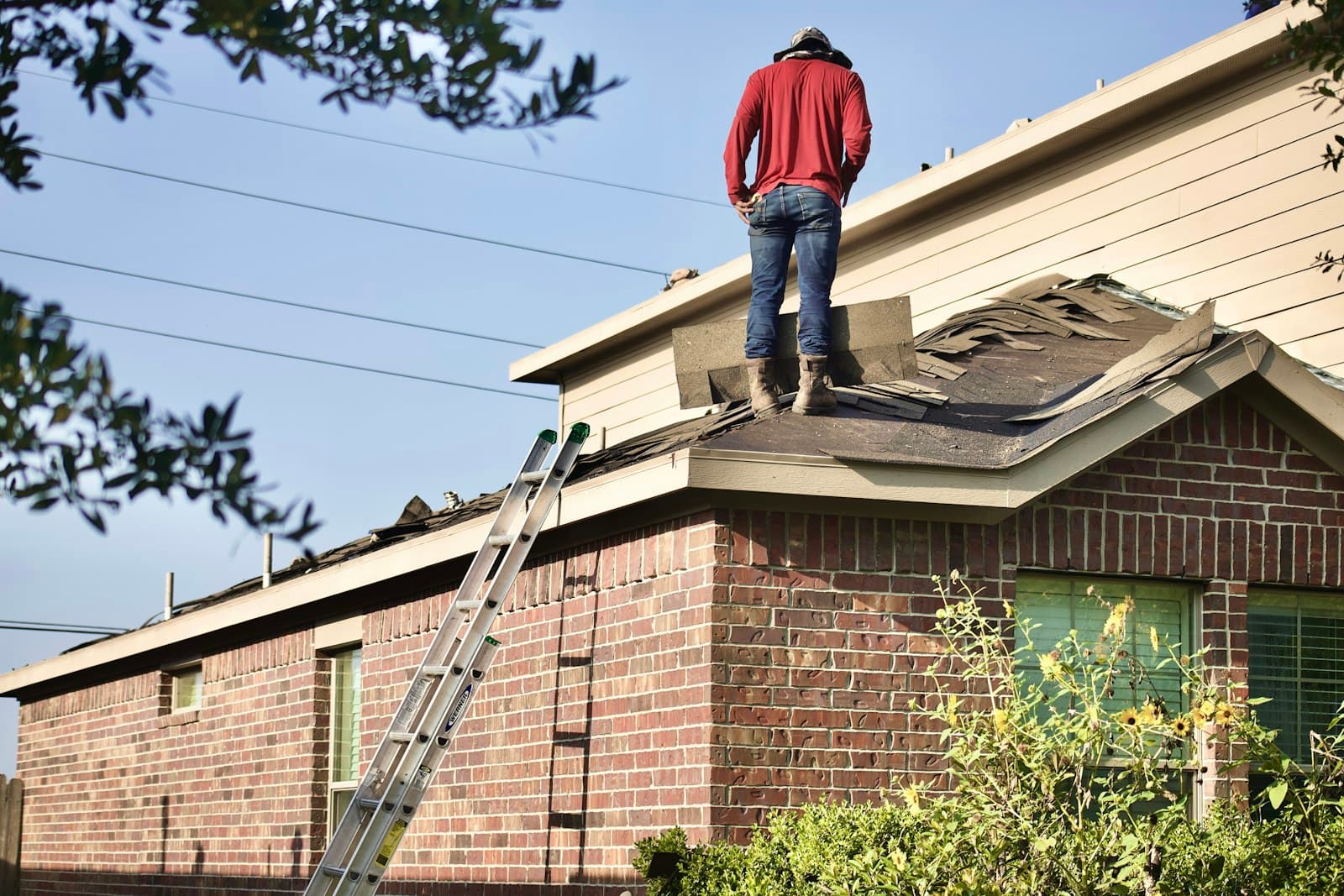
Because Tarpon Springs sits on the coast, salt air is part of every job we scope here: it corrodes ordinary galvanized caps, dampers, and flashing well before their inland lifespan is up, so the hardware a Tarpon Springs chimney gets has to be rated for marine exposure — not just whatever is cheapest on the shelf. Chimney Repair Service is the chimney company near me that Tarpon Springs homeowners book for all the right reasons: a vetted local pro who knows the Tarpon Springs climate, free estimates before any tool comes out, climate-appropriate materials, and a workmanship warranty in writing. The local pro comes to you.
The Sponge Docks, the Epiphany dive at Spring Bayou, brick storefronts that have watched the Anclote River for a century — Tarpon Springs is one of the Gulf coast's most storied towns. It's also one of the saltiest, dampest places in Florida to own a chimney.
Salt off the Anclote works faster than you think
Tarpon Springs sits where the Anclote River opens to the Gulf, and the same salt air that once dried sponges along Dodecanese Boulevard is quietly hard on everything metal above your roofline. Chimney caps, chase covers, spark screens, and flashing corrode faster here than they do even a few miles inland, because the breeze off the river and the bayous carries salt across most of town. There's no dry season for rust in a place this humid — it works year-round, and it usually starts where you can't see it.
The practical answer isn't complicated. When a cap or chase cover starts showing rust streaks, replace it in stainless steel or copper rather than another builder-grade galvanized part — near salt water, the upgrade earns its keep in sheer lifespan. Flashing deserves the same scrutiny, because corroded or lifted flashing is one of the most common ways water finds its way into Gulf coast homes. A cap or chase cover upgrade is a small job that prevents expensive ones.
If you live close to the docks, the bayous, or the old streets around Spring Bayou, put salt at the top of your chimney maintenance math. Rust streaks running down a chase, orange freckling on a spark screen, or a cap that rattles in a stiff onshore breeze are all early warnings — and all much cheaper to address before storm season than after it.
A century-old town with century-old chimneys
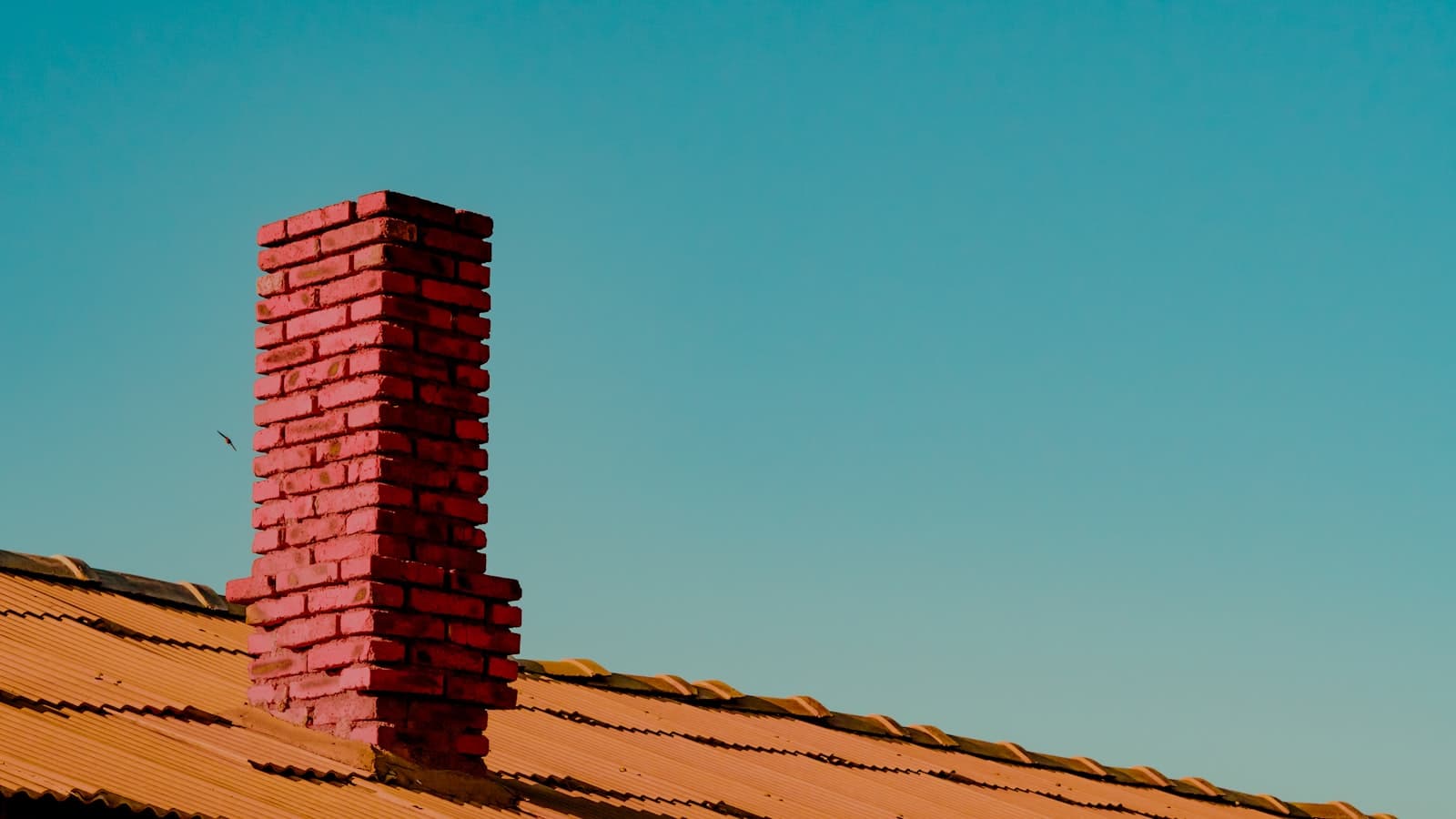
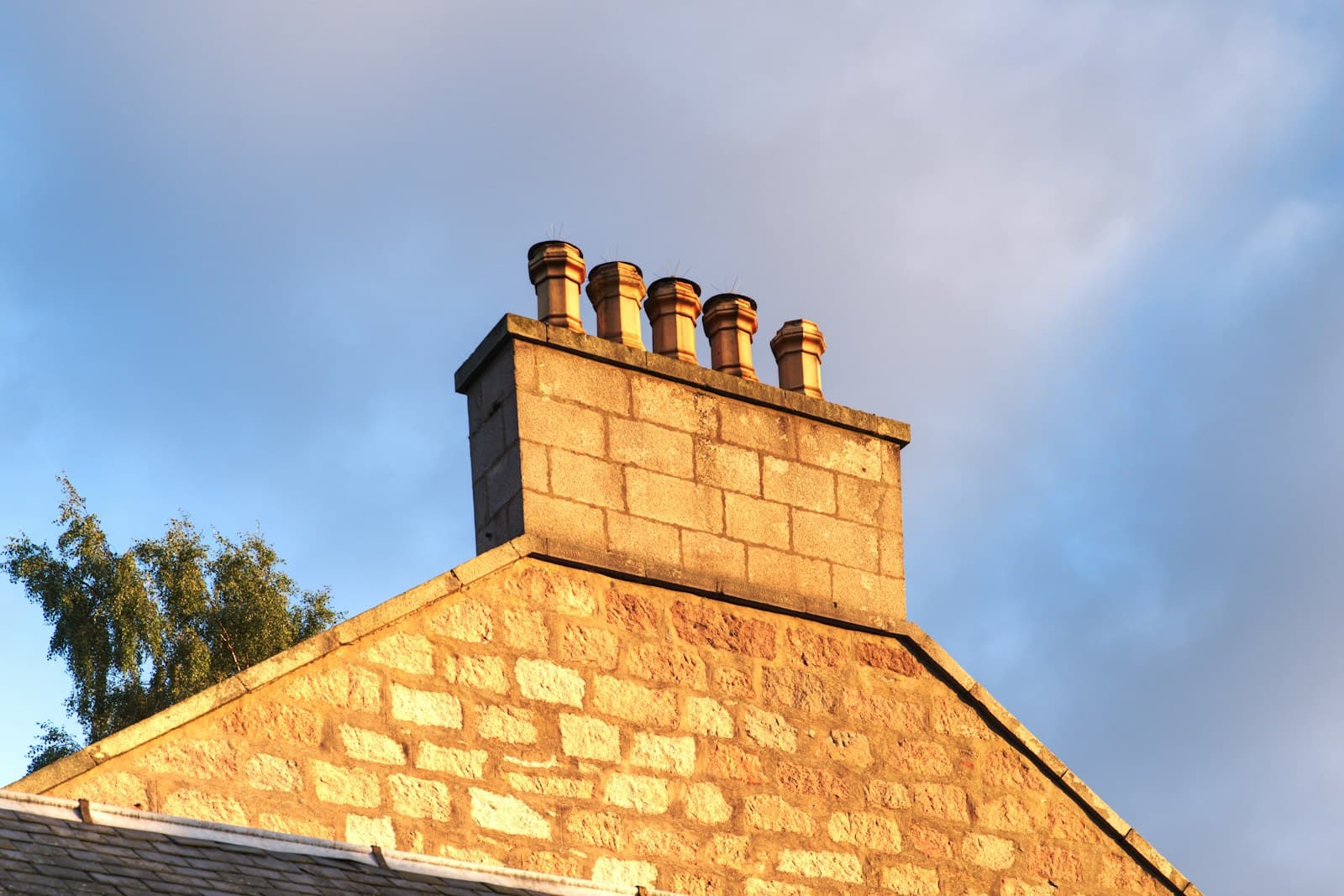
Tarpon Springs grew up early for this stretch of coast — incorporated in the 1880s and booming with the Greek sponge fleet by the early 1900s — and the streets around downtown and Spring Bayou still hold homes from that era. Many carry true brick chimneys built with the softer lime-based mortar of their time. That mortar suited those bricks perfectly, but a century of Gulf humidity slowly erodes it, and the joints wash out grain by grain.
Humidity also drives spalling — brick faces flaking off as absorbed moisture works inside the clay. On an older chimney, the repair matters as much as the diagnosis: repointing historic brick with hard modern Portland mortar can actually accelerate the damage, so joints should be matched with a compatible, softer mix. That's careful masonry work, not a caulk-gun job, and it's the difference between preserving a chimney and slowly wrecking it.
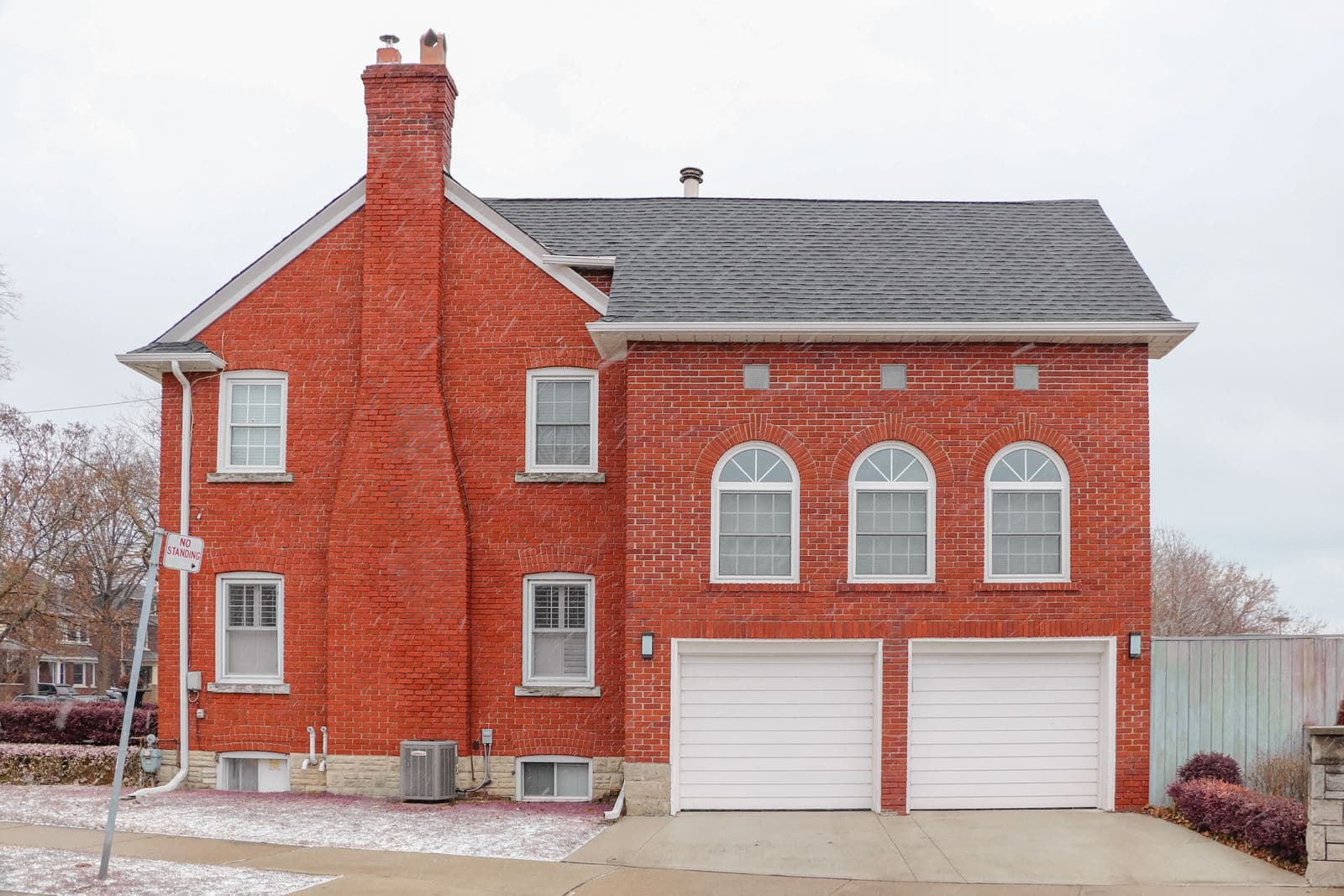
Newer parts of town tell a different story: concrete-block homes with stucco finishes and factory-built fireplaces sitting in framed, sided chases. Those systems need a different checklist — chase covers, storm collars, flue caps, and refractory panels — but the salt-and-humidity pressure on them is exactly the same.
It's worth remembering that Tarpon Springs takes its history seriously — Greektown and the downtown blocks are recognized historic areas, and an original chimney is part of what makes an old house here an old house. Good repair work preserves that character rather than papering over it, matching brick, joint style, and profile so the finished chimney still belongs to the home it sits on.
Hurricane season in a low-lying river town
Tarpon Springs knows storms. It's a low-lying waterfront town, and from June through November everyone here keeps one eye on the Gulf. Your chimney belongs in that preparation: a hairline crown crack, a loose cap, or a lifted flashing edge that behaves itself through ordinary weather becomes an open door when a storm drives rain sideways for hours.
A pre-season check is straightforward — crown, cap, flashing, and the condition of the masonry or chase siding. If the brick is drinking water, a breathable waterproofing treatment lets the chimney shed rain without trapping moisture inside the masonry, which matters in a climate that never fully dries out.
The bayou neighborhoods deserve a special word. Homes near Spring Bayou, Whitcomb Bayou, and the riverfront sit at some of the lowest elevations in town, and after a serious storm their masonry can stay saturated for weeks in the humid air. Saturated brick is exactly when spalling accelerates — so a post-storm season check matters most for precisely the homes with the most history to protect.
After any storm passes, watch for the quiet symptoms: a damp, ashy smell from the firebox, fresh ceiling stains near the chimney, or rust weeping from the damper. If water is actively coming in, our 24/7 line is answered by a real person, and same-day scheduling is often available.
The flue you light ten nights a year
Tarpon Springs winters are gentle — most fireplaces here burn a handful of evenings between December and February, then sit idle through eight humid months. Idle is not the same as safe. Moisture condenses inside unused flues, mixes with old soot into an acidic residue, and produces that musty fireplace smell so many Gulf coast homeowners notice in summer. Birds and other wildlife also find a quiet, open flue irresistible.
NFPA 211, the national standard for chimneys and fireplaces, recommends an annual inspection regardless of how much you burn — precisely because in a climate like this, most chimney deterioration happens while the fireplace is off. If you burned at all last season, a sweep before your first fire clears the residue and confirms the flue is open and sound.
An annual inspection here is short, inexpensive, and heavy on findings-per-dollar: cap and screen condition, crown cracks, flashing, damper operation, and whether the flue is clear. In a salt-air town, it's less a formality than a yearly damage read on parts you can't see from the ground.
The damper is the piece Gulf-town owners should watch closest. It's the lowest metal component in the system, it catches every drop of condensation and wind-blown rain the cap misses, and a rust-frozen damper is often the first sign a Tarpon Springs flue has been quietly wet for a season or two. If yours grinds, sticks, or won't seal, that's information — not just annoyance.
The smart time to book is early fall, before the first cool snap sends everyone reaching for the phone at once. An October appointment means your fireplace is ready the evening the temperature finally drops — instead of waiting in line behind half of Pinellas County in December.

Local help, straight answers
We're a family-owned Florida company, and the vetted local pros we send to Tarpon Springs treat the town's older homes with the care they've earned. Every job starts with a free written estimate and upfront pricing — you'll know the scope and the number before any work begins, and the workmanship warranty comes in writing, with the term spelled out on your estimate.
Whether it's a rusted cap near the docks or a spalling brick stack on a 1920s bungalow, when you need chimney repair in Tarpon Springs you'll get an honest assessment, an on-time arrival, and a real person on the phone from the very first call.
And because this is a town that plans around the water — boat schedules, storm forecasts, festival weekends — we keep scheduling flexible. Same-day appointments are often available, and if the Gulf sends something serious your way, the 24/7 emergency line doesn't keep business hours. Estimates are free, pricing is upfront, and the answer you get on the phone is the answer you get on paper.