
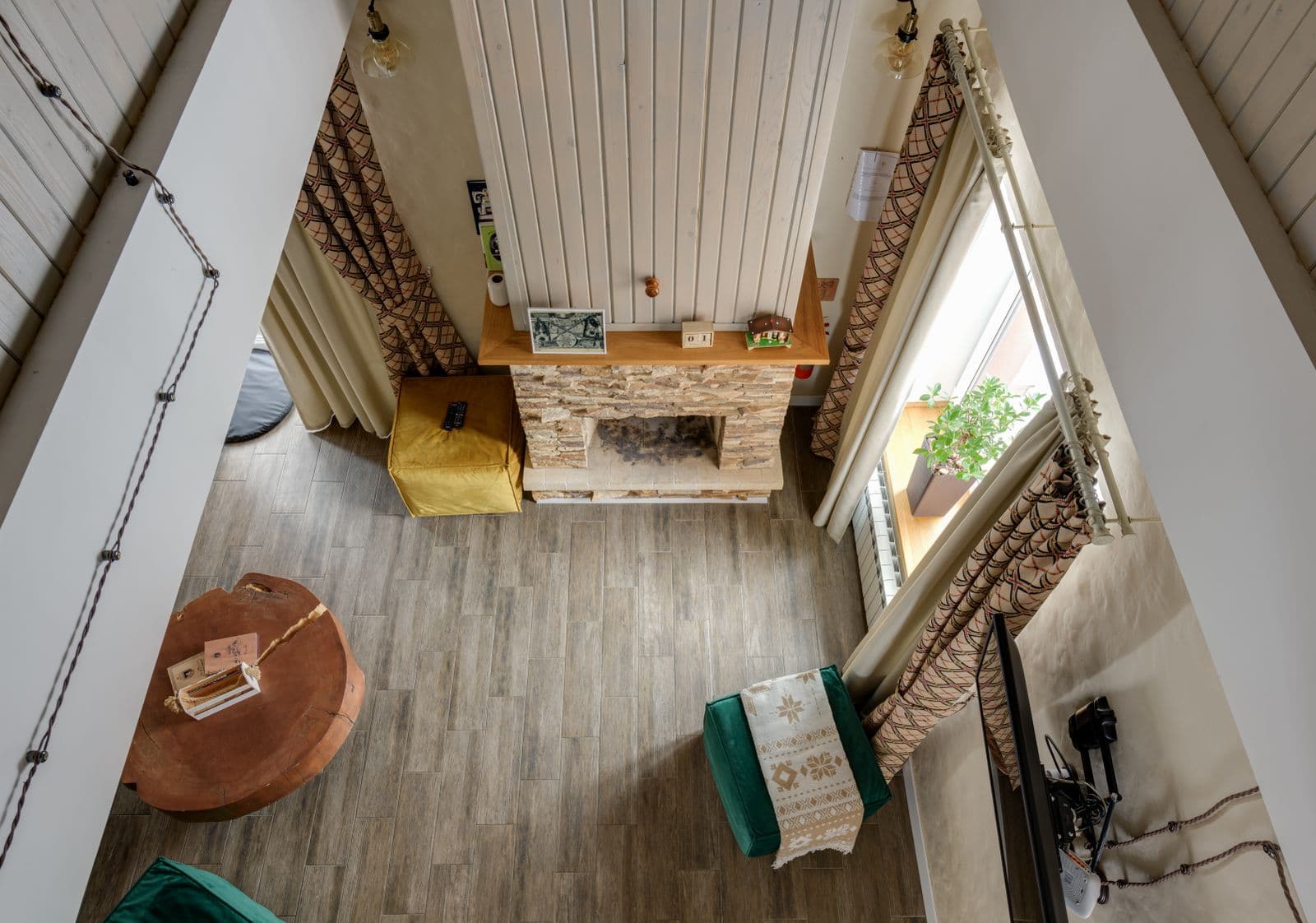
Fireplace Repair in Ormond Beach, FL: Evaluating Condition, Access, and Exposure
Fireplace repair in Ormond Beach can concern the parts inside the room rather than the chimney exterior: a damaged firebox, worn panels, a stuck damper, broken doors, or an operating fault. Identify whether the unit burns wood or gas and whether it is masonry, a manufactured fireplace, or an insert.
Identify the fireplace before choosing replacement parts
Similar-looking fireplaces can use different panels, glass, doors, controls, and vent connections. A cosmetic surround change does not resolve damage inside the appliance, and an operating complaint does not automatically mean the whole fireplace needs replacement. The installed system and damaged component determine which of these repair questions are relevant:
- The location of cracking, missing material, or loose components
- The model and available documentation for a manufactured unit
- Whether the concern appears during operation or while idle
- Parts compatibility and any separate chimney, vent, or finish work
Identify the fireplace before choosing a repair
A masonry firebox and a factory-built fireplace may look similar from the room but use different materials and replacement parts. A gas insert introduces another set of appliance requirements. If a model label is safely accessible, provide that information with the service request. Do not remove panels or disturb a gas connection to find it.
Cracks, loose material, and operating problems need different answers
A crack cannot be judged by a universal coin-width rule. Its location, depth, surrounding condition, and the requirements for that fireplace matter. Crumbling material, displaced bricks, or a damaged manufactured panel should be assessed before further use. Ask whether the recommendation concerns a joint, a replaceable component, or a more extensive reconstruction, and what supports that distinction.
Smoke and draft complaints are not a diagnosis
Smoke entering a room can involve the damper, an obstruction, the vent arrangement, or pressure conditions in the house. A recent change to ventilation or remodeling is useful history, not proof of the cause. Stop using a fireplace that spills smoke and arrange an assessment; do not keep lighting test fires or assume that a different cap or damper will solve it.
Separate the damaged part from the cause
Rust or dampness in the firebox raises a moisture question, but it does not identify one failed component above it. Ask whether the proposed repair addresses the damage, the moisture source, or both. For a factory-built unit, verify model-compatible parts and manufacturer requirements. Part availability is one consideration, not proof that repairing the whole system is straightforward or that replacement is unavoidable.
Product requirements vary. Example manufacturer library: find instructions by fireplace model. Use the documentation for your actual system or proposed product.
