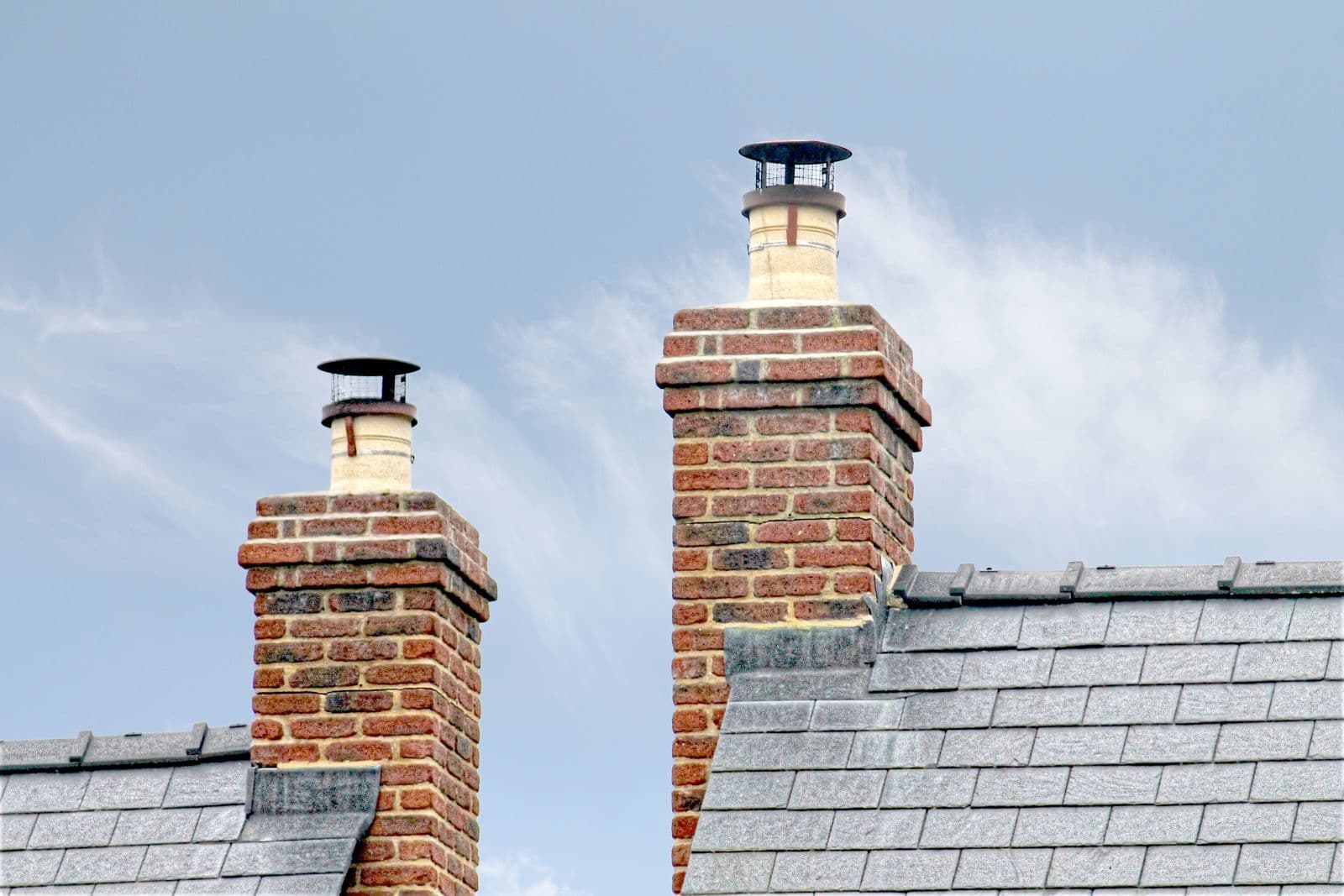
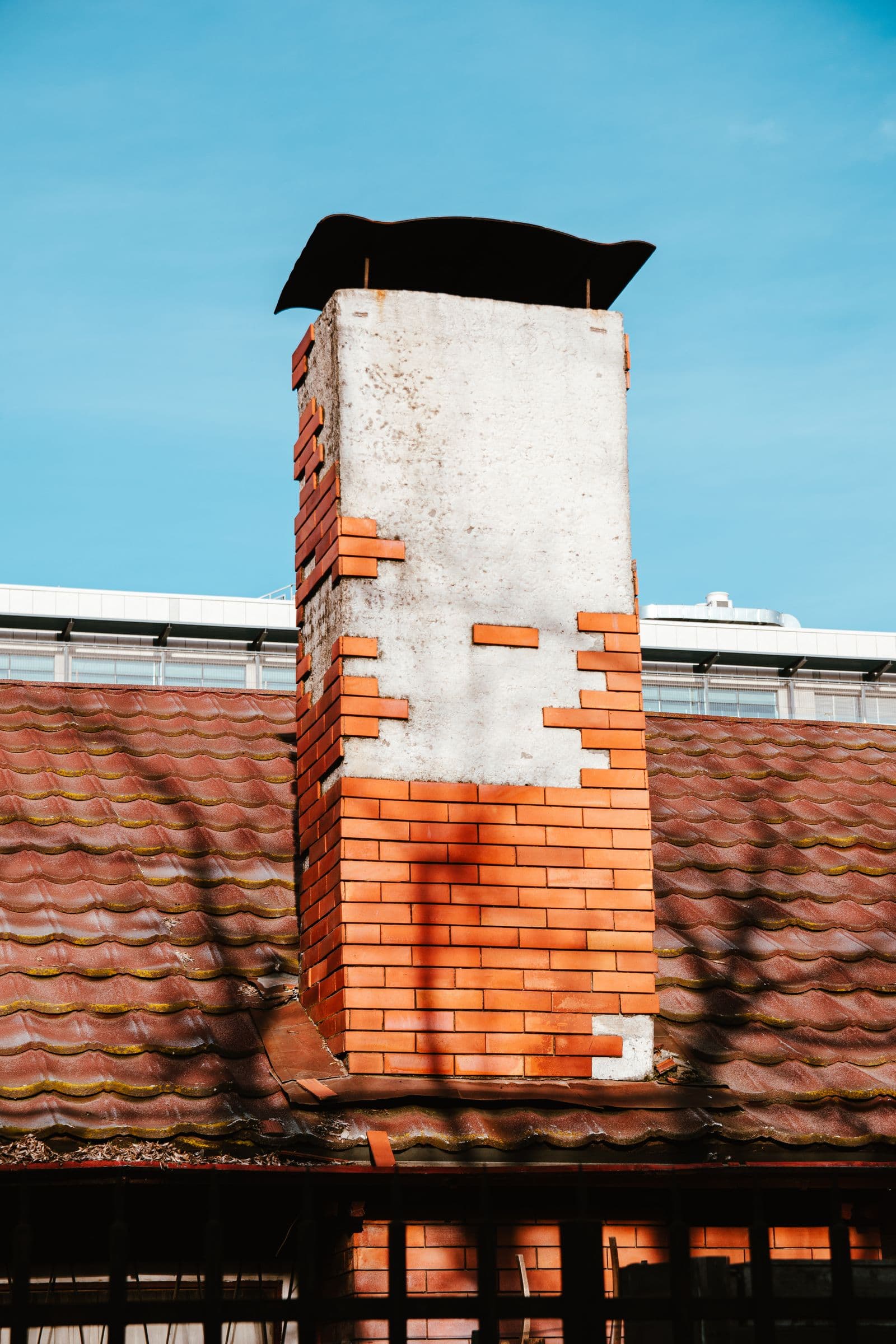
Longwood sits well inland, and the enemy here is plain water, delivered on an aggressive schedule. Central Florida is the most lightning-active region in the country, and from June into September the rain arrives the local way: a violent hour most afternoons, all summer long. Your chimney is the most exposed structure on the house and takes every one of those storms head-on. Hairline cracks in the crown admit water into the structure; tired flashing lets it into the ceiling; and bare masonry simply drinks, absorbing a startling amount of water across a single wet season.
Chimney leaks are sneaky about where they surface. The stain shows up on the ceiling a few feet from the fireplace, or as peeling paint in a corner, or as a damp smell in a room nobody uses, rarely at the chimney itself. Real chimney leak repair starts with finding the true entry point, because caulking the wrong spot doesn’t stop the water; it just sends it somewhere new. On chase-built systems the culprit is usually the cover or the corners; on masonry it is most often the crown, the flashing, or the brick faces themselves.
Prevention is cheap by comparison. A breathable water repellent applied in the drier months lets masonry shed the summer rains instead of absorbing them, and a sound crown and flashing close the two most common entry points before hurricane season tests them. For a chimney under Longwood’s canopy (shaded, slow to dry, and rained on daily half the year), chimney waterproofing is less an upgrade than basic hygiene.